Member Spotlight: HABESHA, Inc.
KASI/HABESHA walk in the footprints of great teachers
“I am not African because I was born in Africa, but because Africa was born in me.” — Kwame Nkrumah, revolutionary and Former President of Ghana
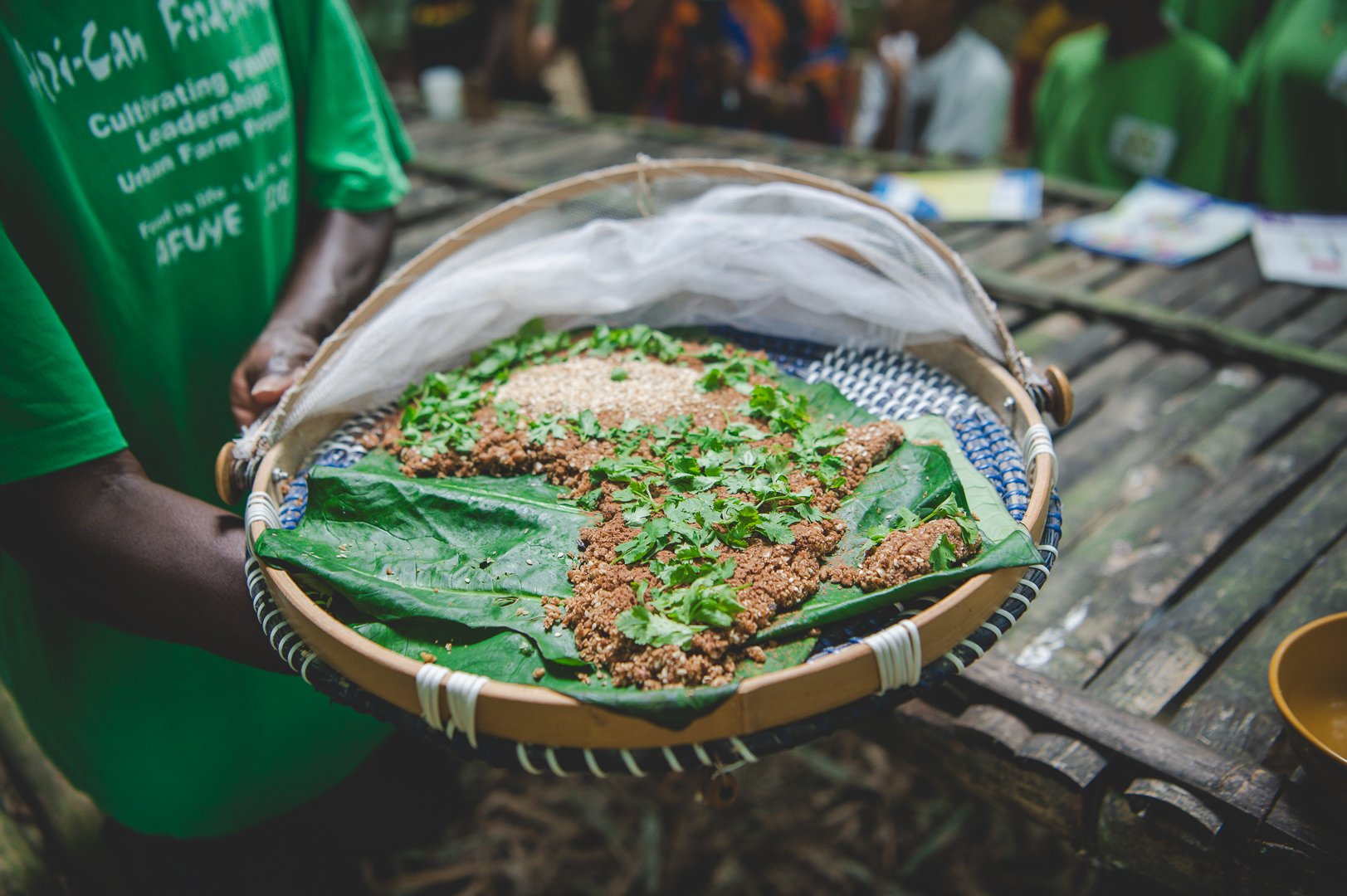
Black Food Sovereignty Alliance (Toronto) Executive Director Ras Anan Xola Lololi and Chef Bashir Munye display an edible Africa as part of an Afro-Culinary Futurism teaching during the 2025 Black Sustainability Summit.
Far too many people of African descent have been spoonfed the fallacy of a motherland depraved, desolate, and primitive since the invention of colonialism.
This fallacy, or lie, not only shields Western powers from justice for their exploitation, harassment, and violence, but also prevents us from learning our stories, sciences, ancestral wisdom, and the lasting truth that what is African is sovereign and powerful.
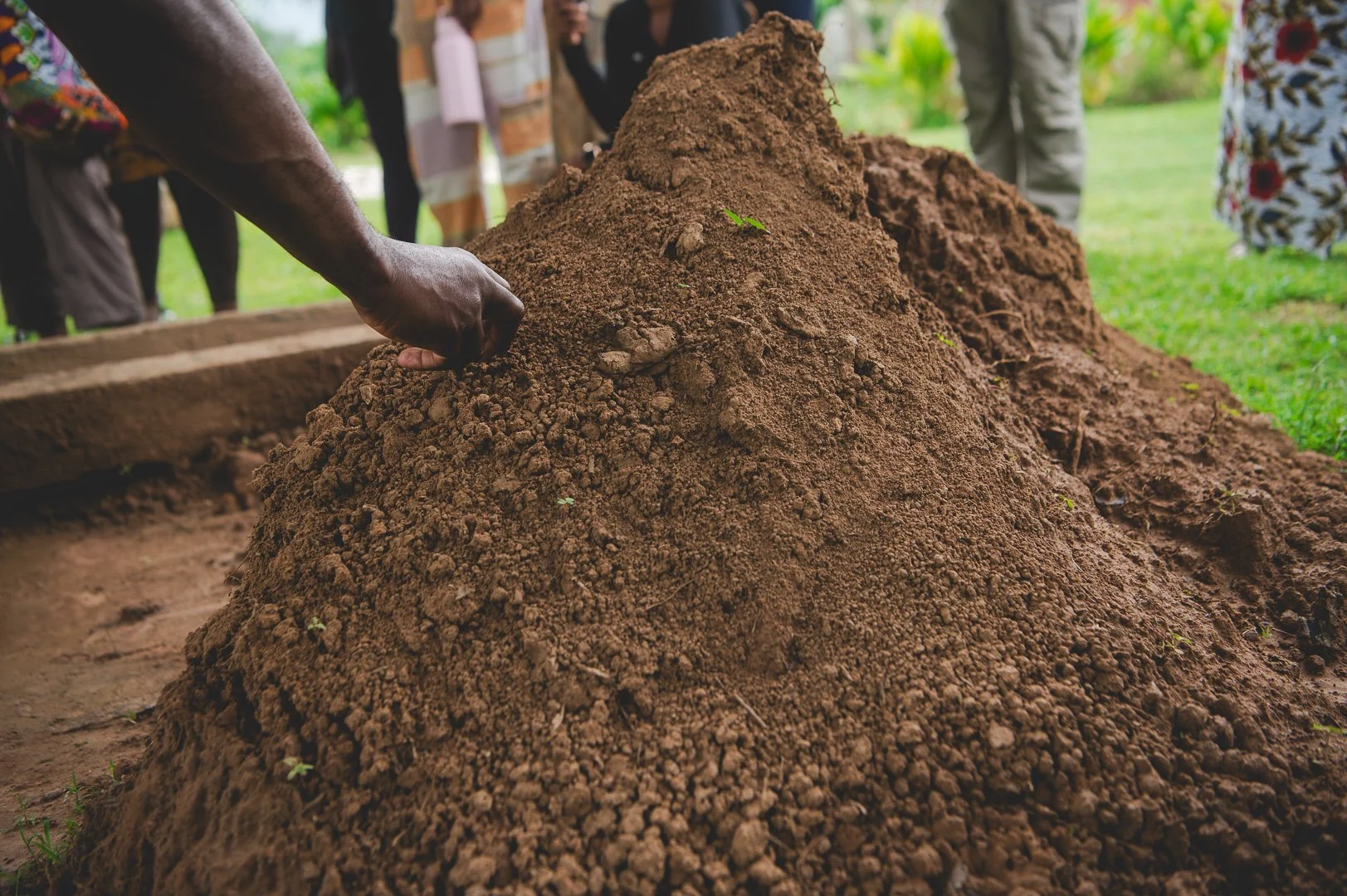
With each piece of food grown, African farmers of Turtle Island stick their hands in so-called American soil and uproot the fallacy that was injected into it like a chemical contaminant centuries ago. And each year, Africans of the Diaspora take hold of our rights to refusal and reclamation, and make our return, build relationships with our African siblings, and pour our skills into the motherland.
Last year, members and staff of the National Black Food & Justice Alliance joined new member HABESHA (Helping Africa By Establishing Schools at Home & Abroad) for this sacred pilgrimage at the center of the Earth in Ghana, West Africa.
There, we saw the magic of repatriation, when dedicated students return home and commit to relearning the land, the practices of our people, and how best to serve the communities we can once again belong to.
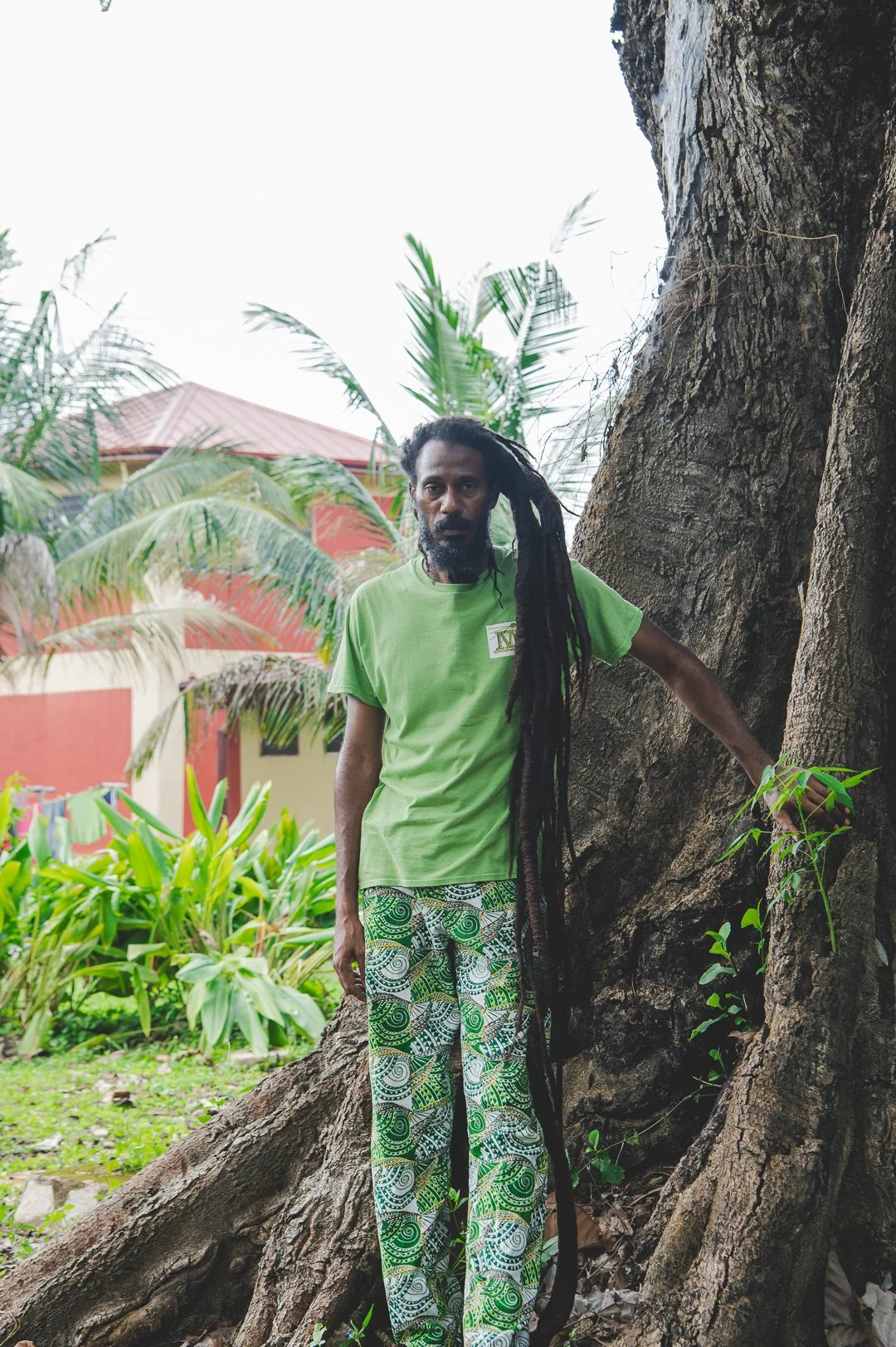
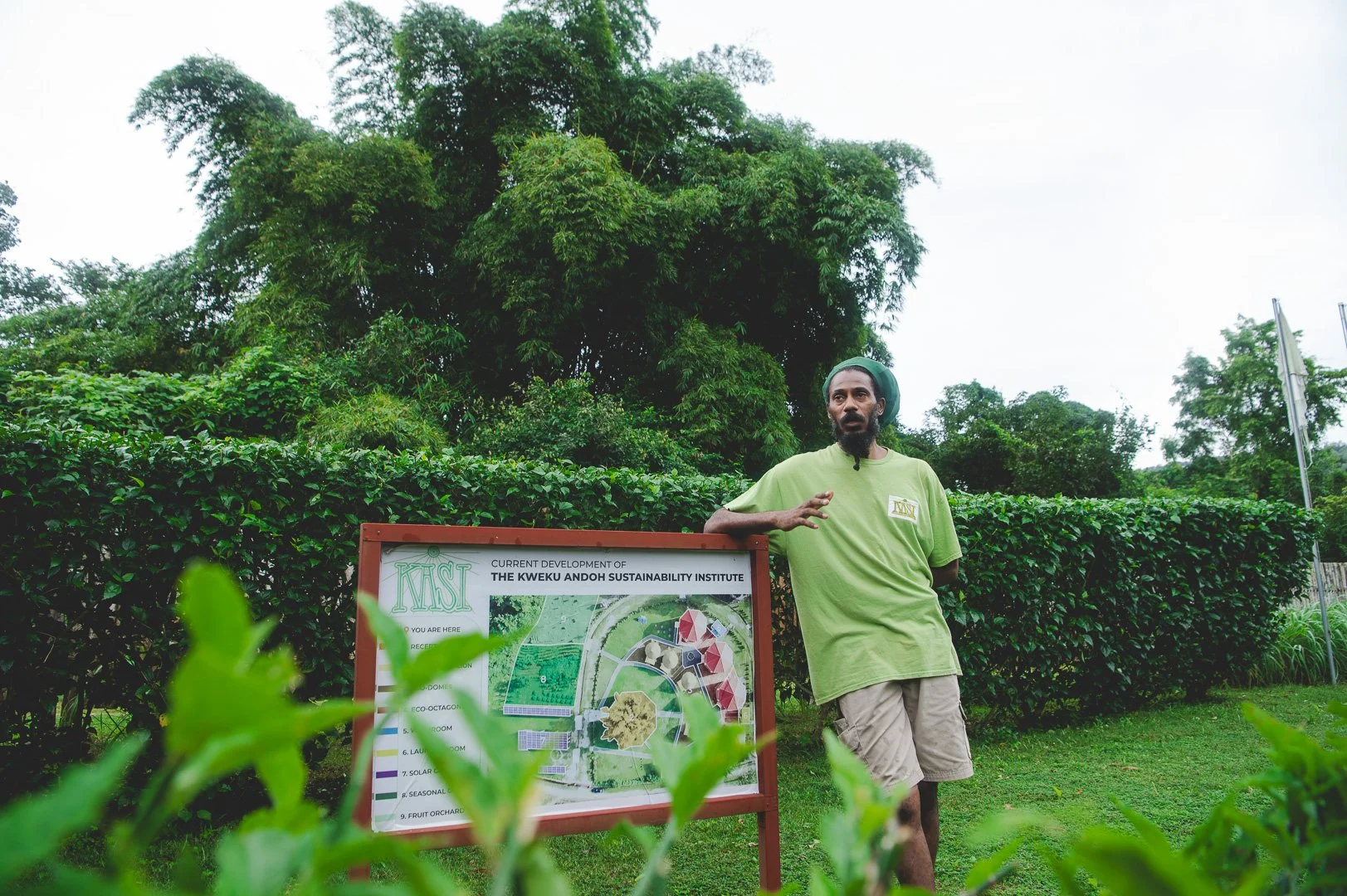
Ras Cashawn pictured at the Kweku Andoh Sustainability Institute (KASI) in Liati Wote, Ghana, West Africa, in October 2025.
HABESHA’s Executive Director, Cashawn Myers, has been on a relearning journey for much of his life, and, after obtaining his Master's of Education, set his sights on teaching and reconnecting people of African ancestry with their cultural heritage.
“They told us our ancestors were primitive. But now everybody want Earth homes, they want to walk barefoot and call it grounded,” he said. “But our ancestors knew the ancient technology. They studied plants, studied the natural environment, and said how could we create a built environment using those same principles? And mimic Earth, right?”
In 2007, Cashawn led the development of the HABESHA Gardens Complex, a one-acre facility providing education, training, and cultural programs in urban organic agriculture, sustainable energy technology, and green living practices to the Black community in Atlanta, Georgia.
They’ve developed numerous training programs, including Sustainable Seeds for K-12 youth, HABESHA Works for young adults, Golden Growers for elders, Urban Green Jobs, and Black to Our Roots, a leadership and rite of passage program that has taken over 200 high school and college students to Ghana and Ethiopia since 2004.
When Cashawn first visited Ghana, he met social and political activist Ras Aswad Nkrabea, who began his repatriation process from Jamaica/Atlanta to Ghana years earlier, and had already laid the foundation for welcoming Africans across the Diaspora to Ghana.
Through this relationship, Cashawn made connections across the nation and partnered with Mawusi Anyomiama, a Ghanaian farmer and chef, to provide plant-based meals to the students he brought there.
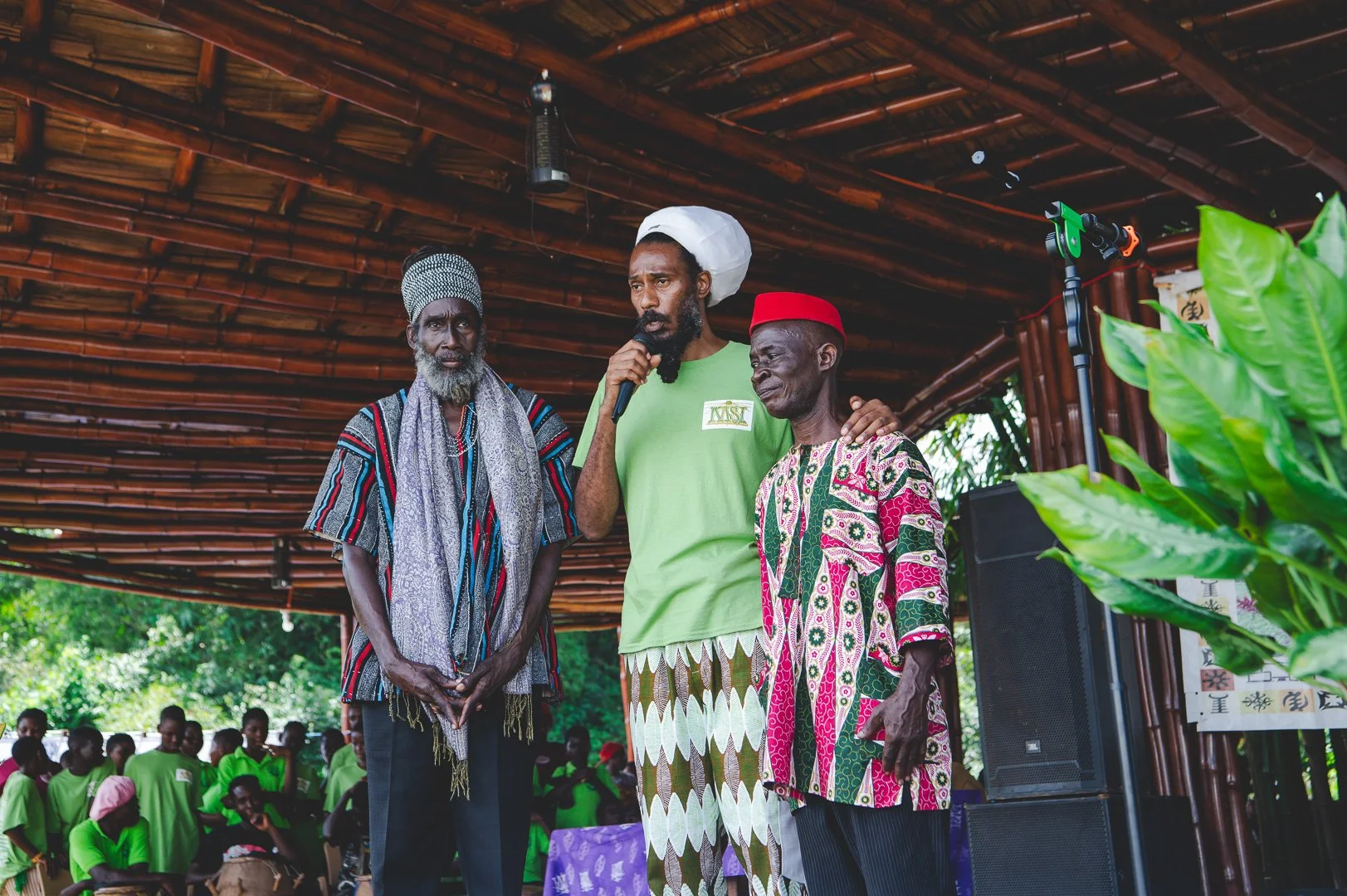
Ras Aswad, Ras Cashawn, and Mr. Mawusi speak during the opening ceremony of the 2025 Black Sustainability Summit.
Only through these powerful relationships could HABESHA’s mission to teach African people their heritage and sustainable agricultural practices blossom into something major.
Over 20 years later, Cashawn and his family live in Accra full-time. HABESHA now splits its headquarters between Atlanta, GA, and Aburi, Ghana. And on October 15, 2022, the Kweku Andoh Sustainability Institute (KASI) held its grand opening ceremony in the Volta Region’s farming village of Liati Wote.
In the spirit of powerful academic and agricultural meetings of minds like those of Booker T. Washington and George Washington Carver at Tuskegee University, KASI is a Pan-African healing space and marriage between an eco-resort and a research, teaching, and training center.
It was born from Ghanaian customs, including numerous discussions with Liati Wote’s King Togbe, who was a retired teacher himself, identifying and purchasing the land from Mawusi’s family, whom Cashawn partnered with all those years ago, and the teachings of Ghanaian-born Dr. A. Kweku Andoh, the institute’s namesake and revered ethnobotanist, healer, and teacher.
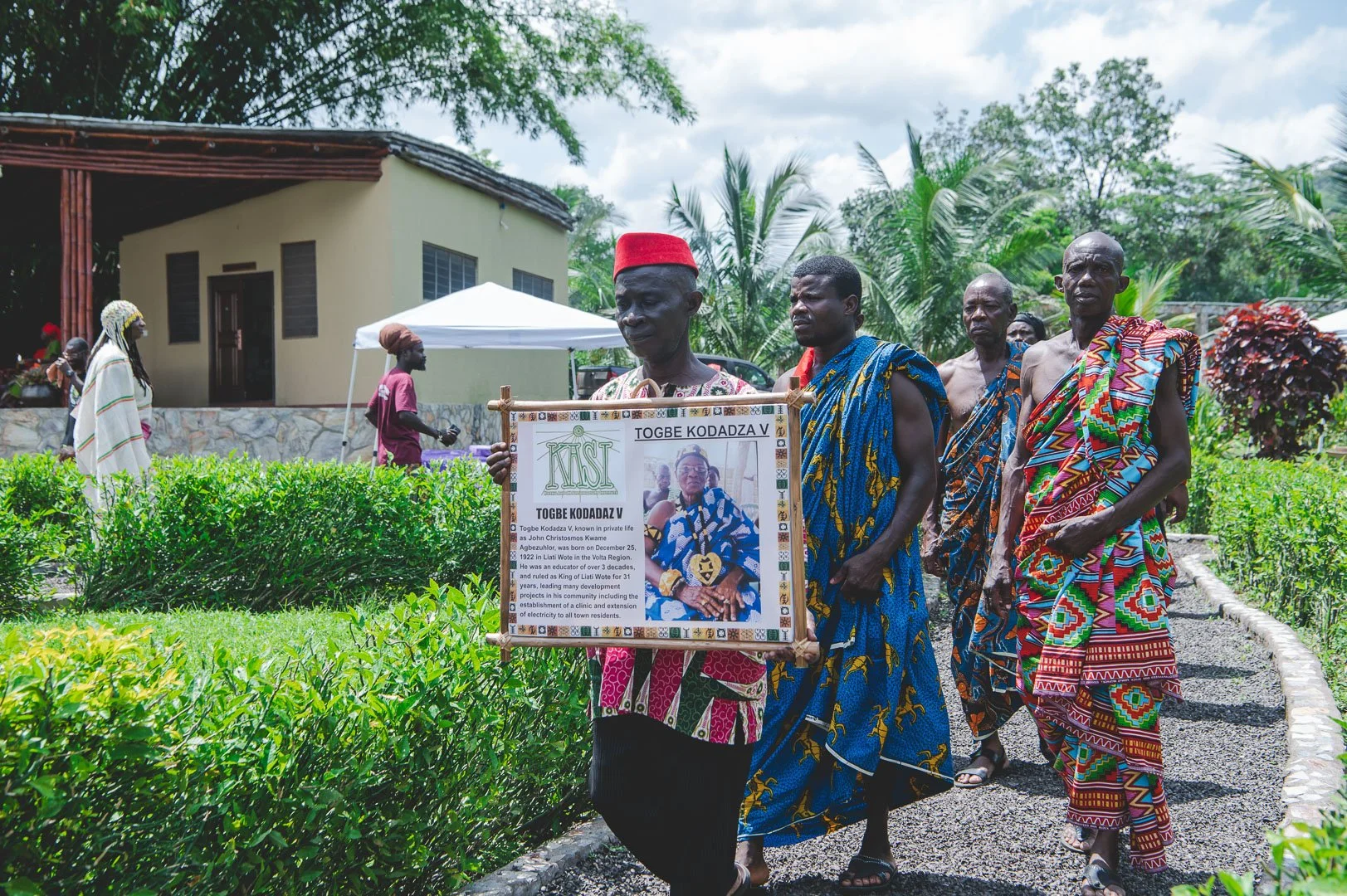
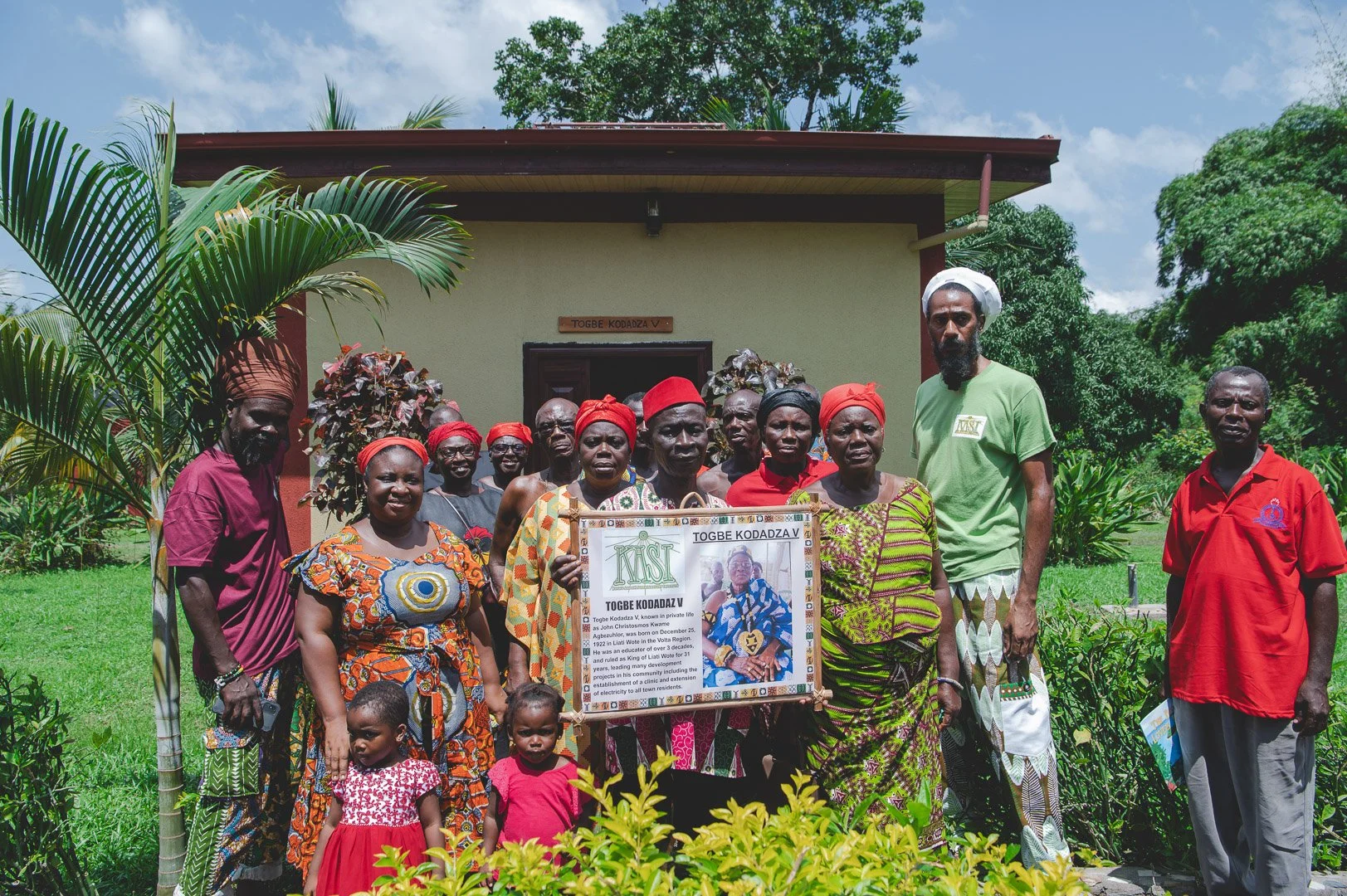
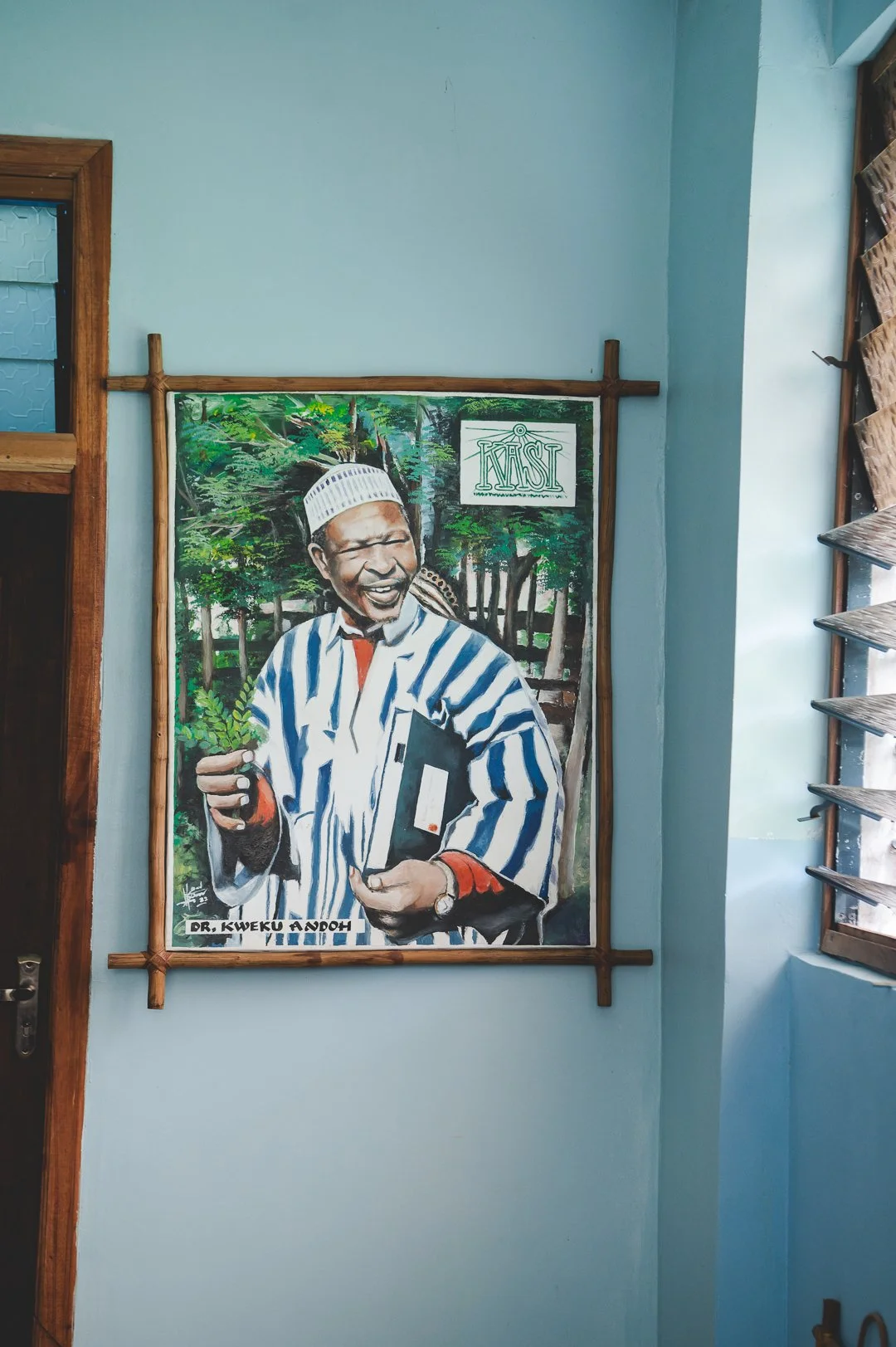
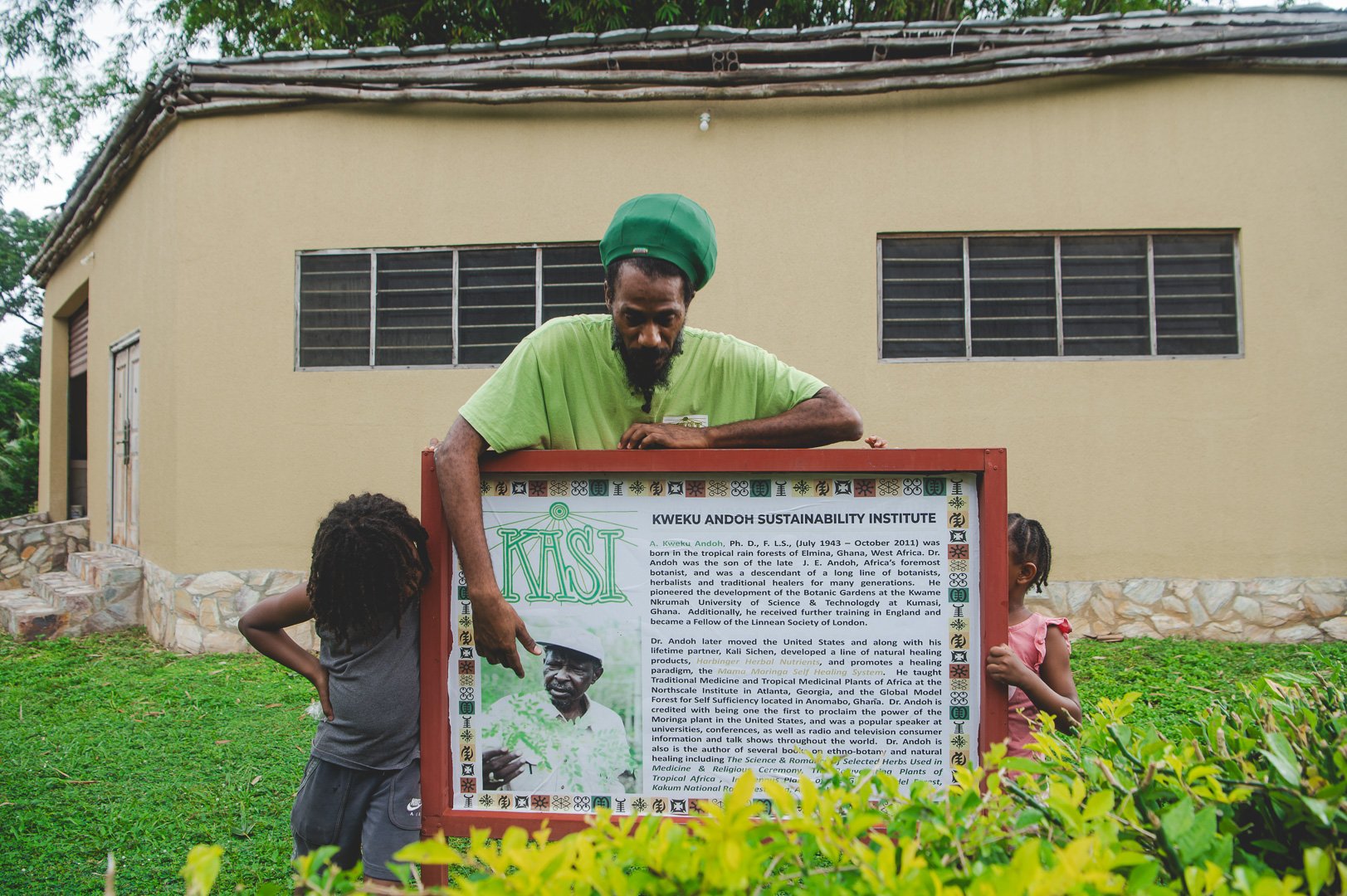
This historic institute is a joining of ancestors’ hands on backs, a rejoicing of Indigenous practices remembered and reclaimed, and a restoring of natural rhythms in harmony with the land.
They embody this by adopting reparative, low-to-zero waste, and sustainable agriculture and teaching philosophies, where Western practices of monocropping, monoculturing, and overmanipulation of the land simply do not make sense.
“Sustainable means it shouldn’t take much to maintain, right?” Cashawn said. “So what we try to do is incorporate the ancient wisdom of our ancestors and bring it into a modern-day context.”
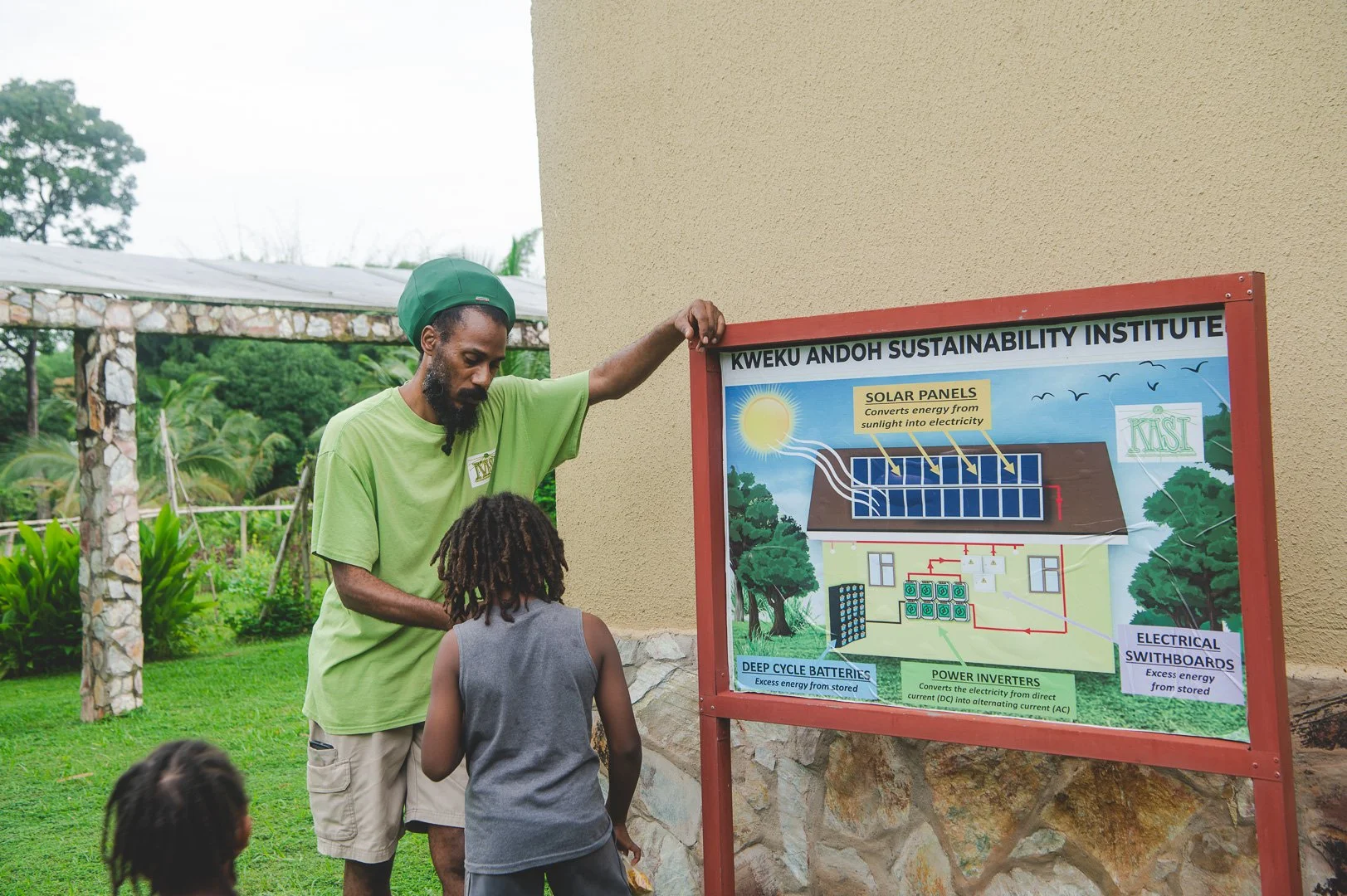
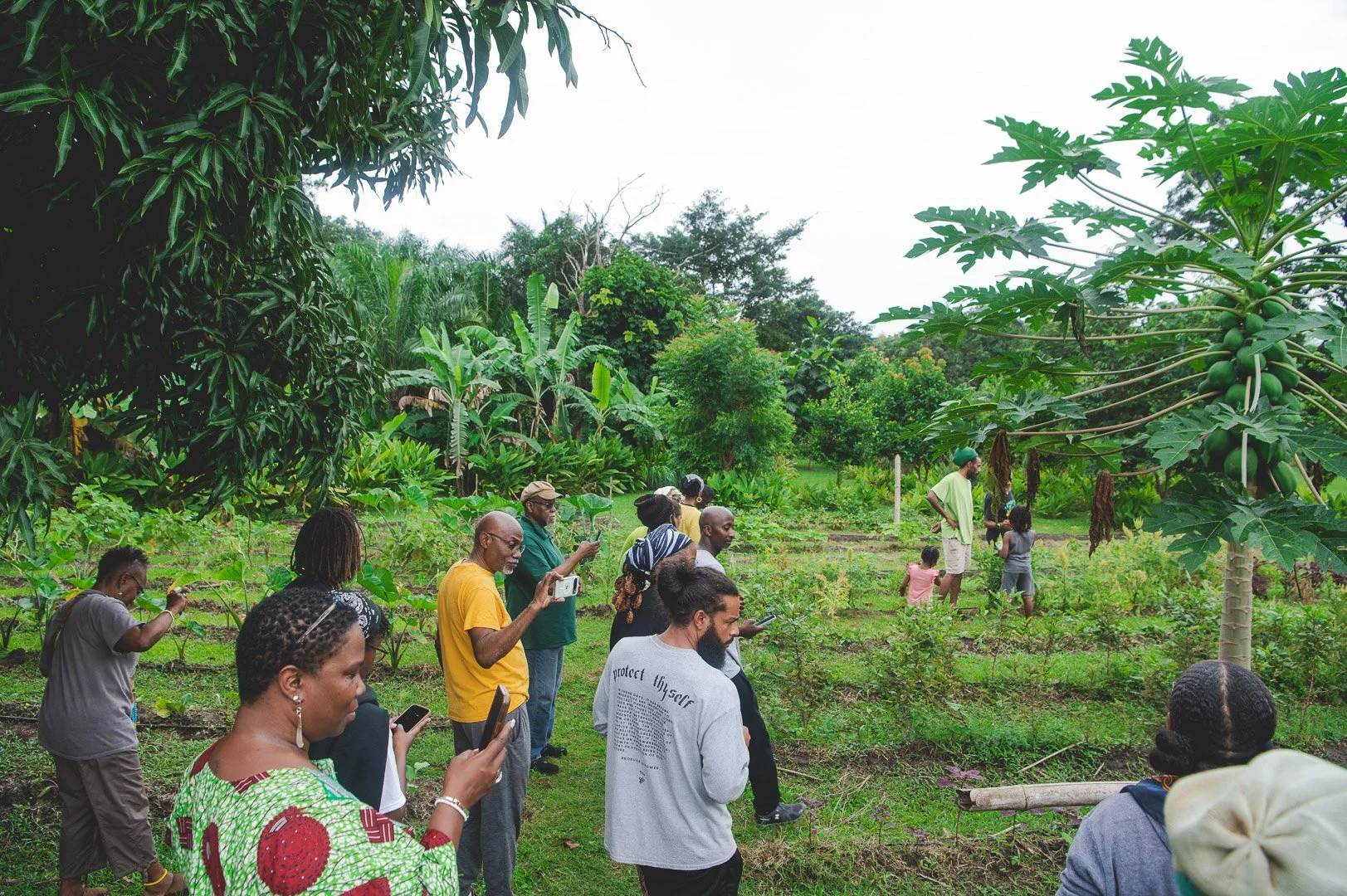
They teach these philosophies to local youth and visitors through half-day, full-day, 2-day, and 2-week certification offerings, including Medicinal Herbs, All About Bamboo, Water Works, Eco-Building, Solar Technology, Plant-Based Cuisine, Organic Agriculture, and a Customized Program.
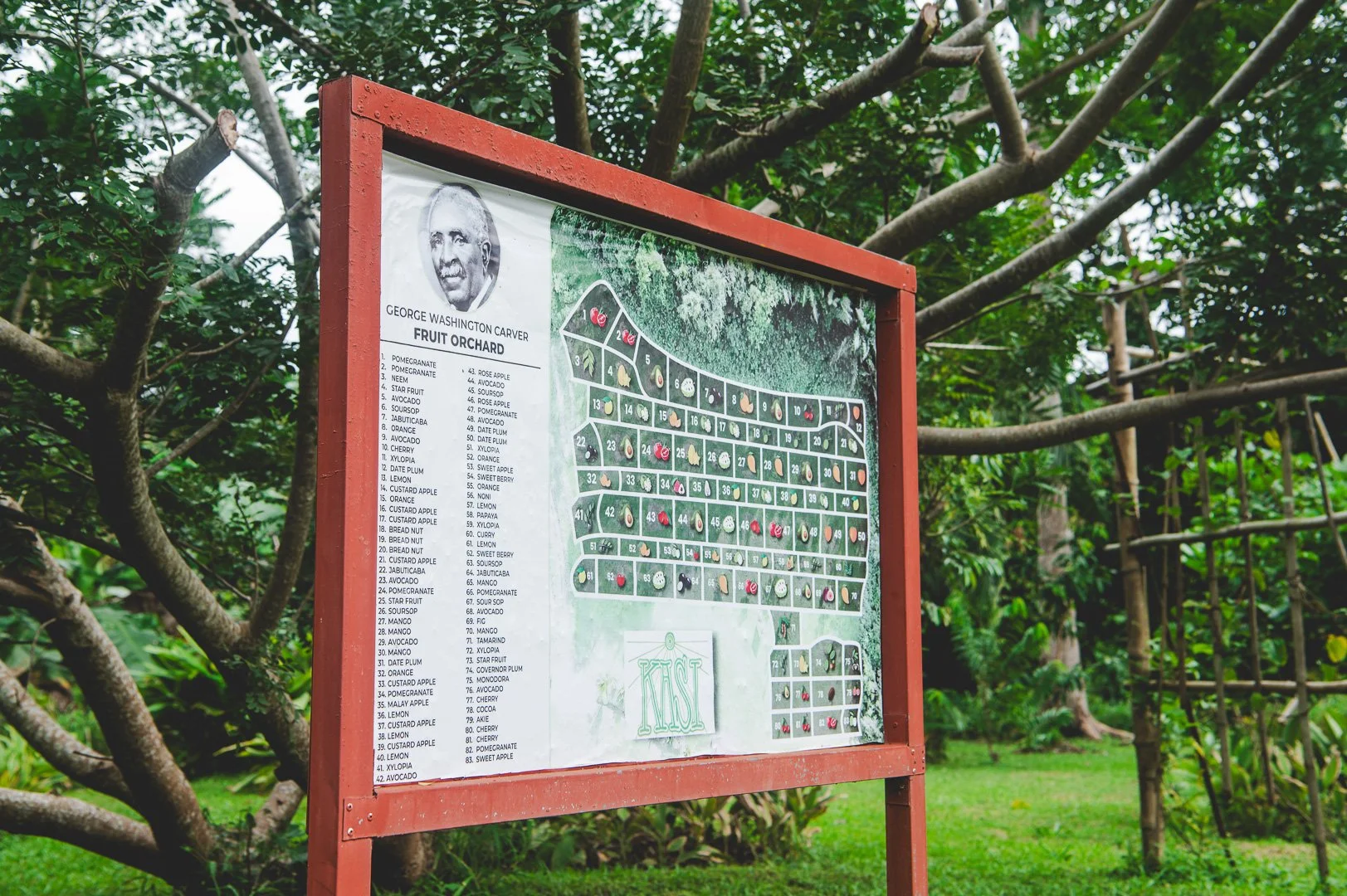
Supported by a small staff, the eco-campus features 5 eco-domes and 4 eco-octagons for housing, a bamboo pavilion, a bamboo treehouse, a solar car park, and indoor and outdoor kitchen and laundry facilities. They also steward a seasonal garden and a fruit orchard with over 60 tree varieties on the institute’s 5.5 acres.
If viewing on a mobile device, please turn your device sideways to view the following slideshow and captions in their entirety:
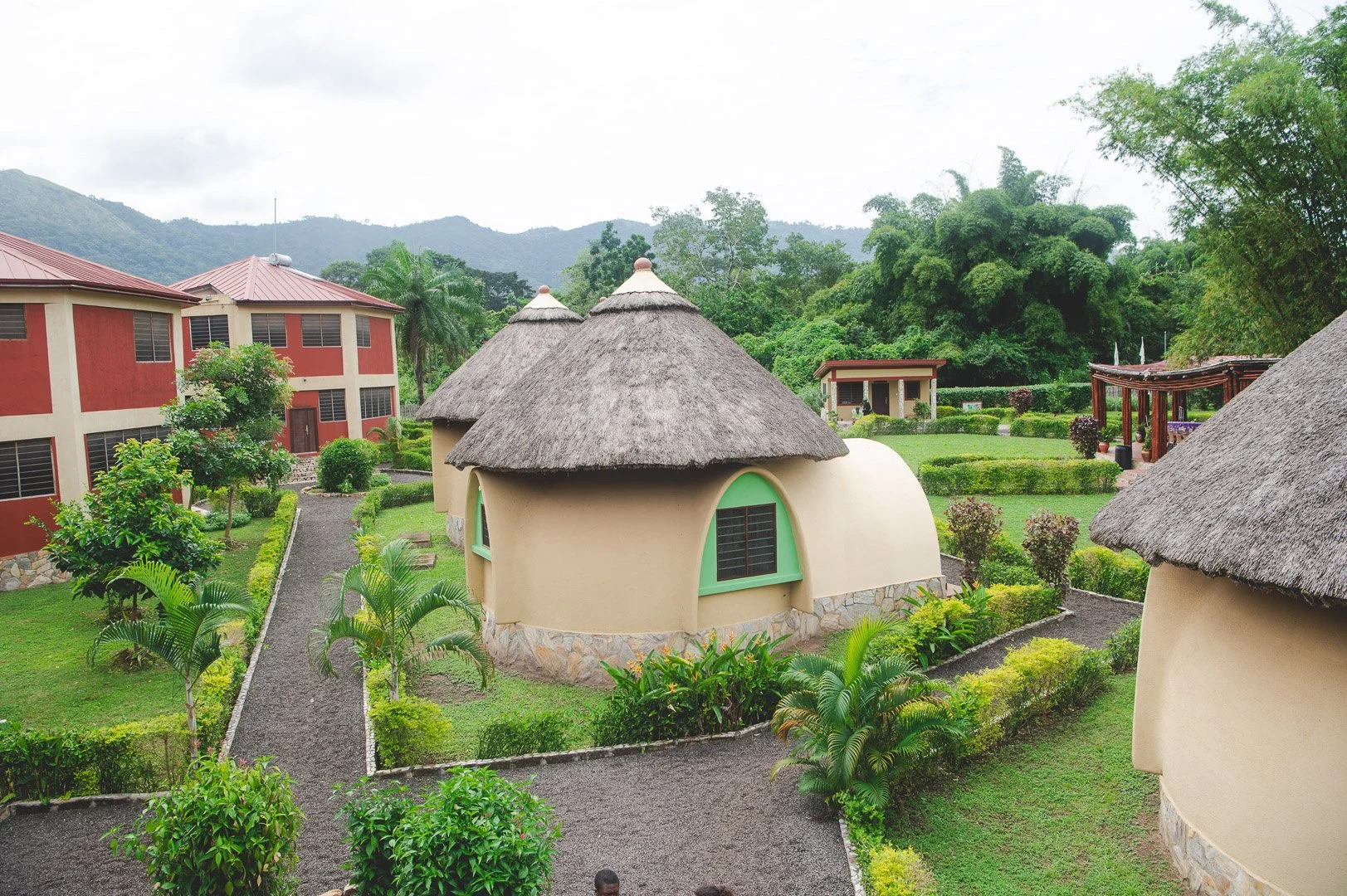
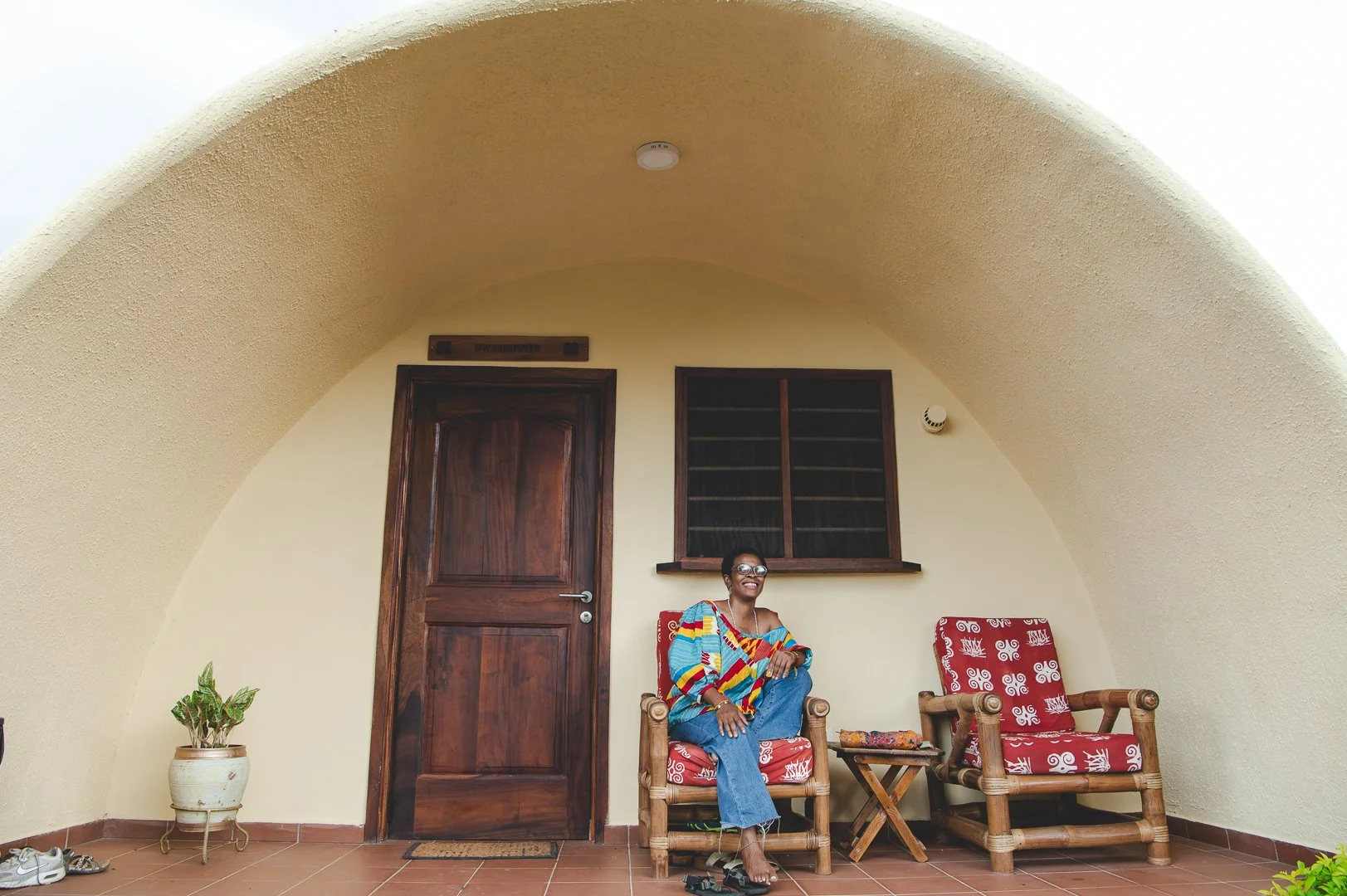
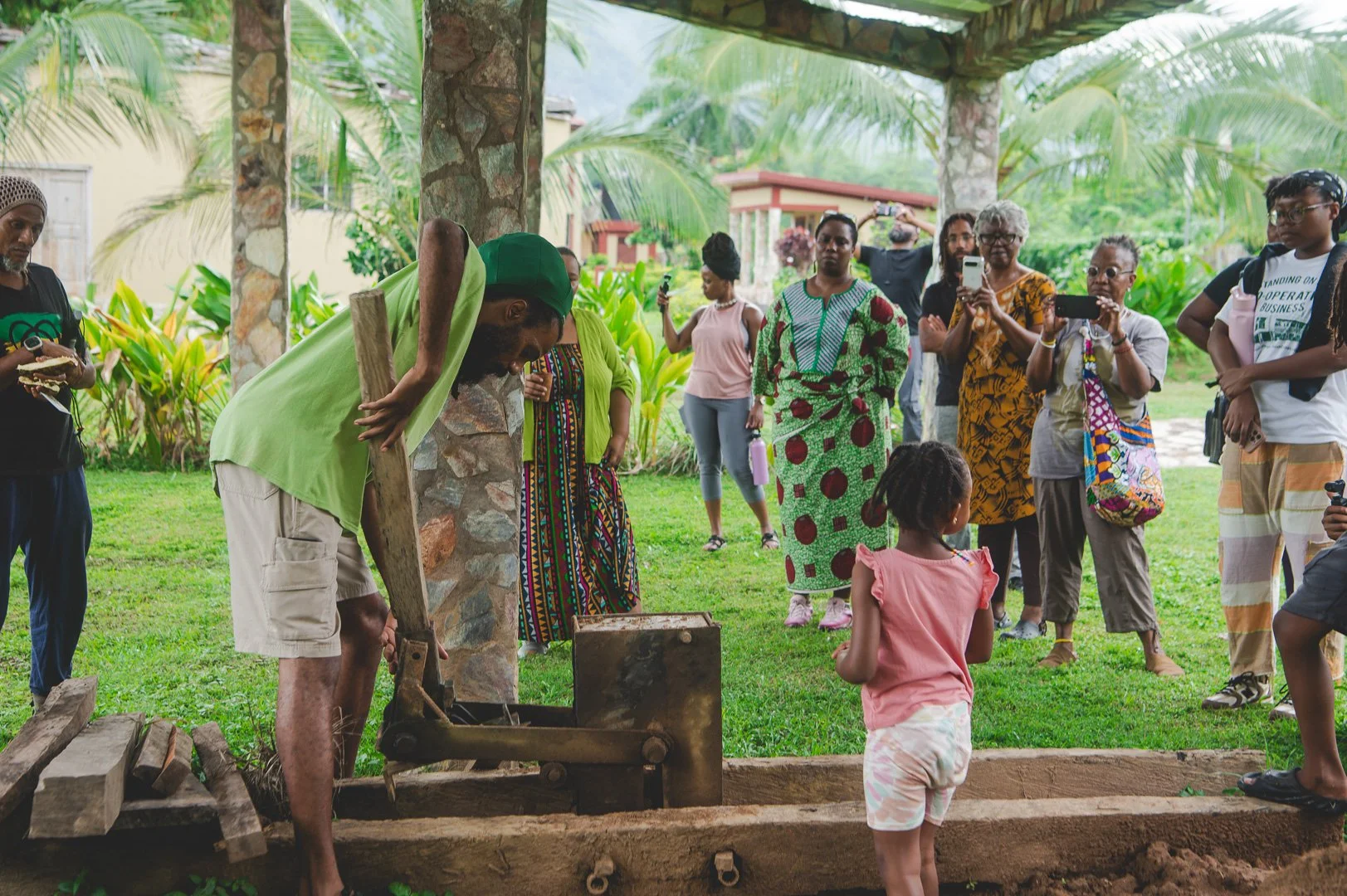
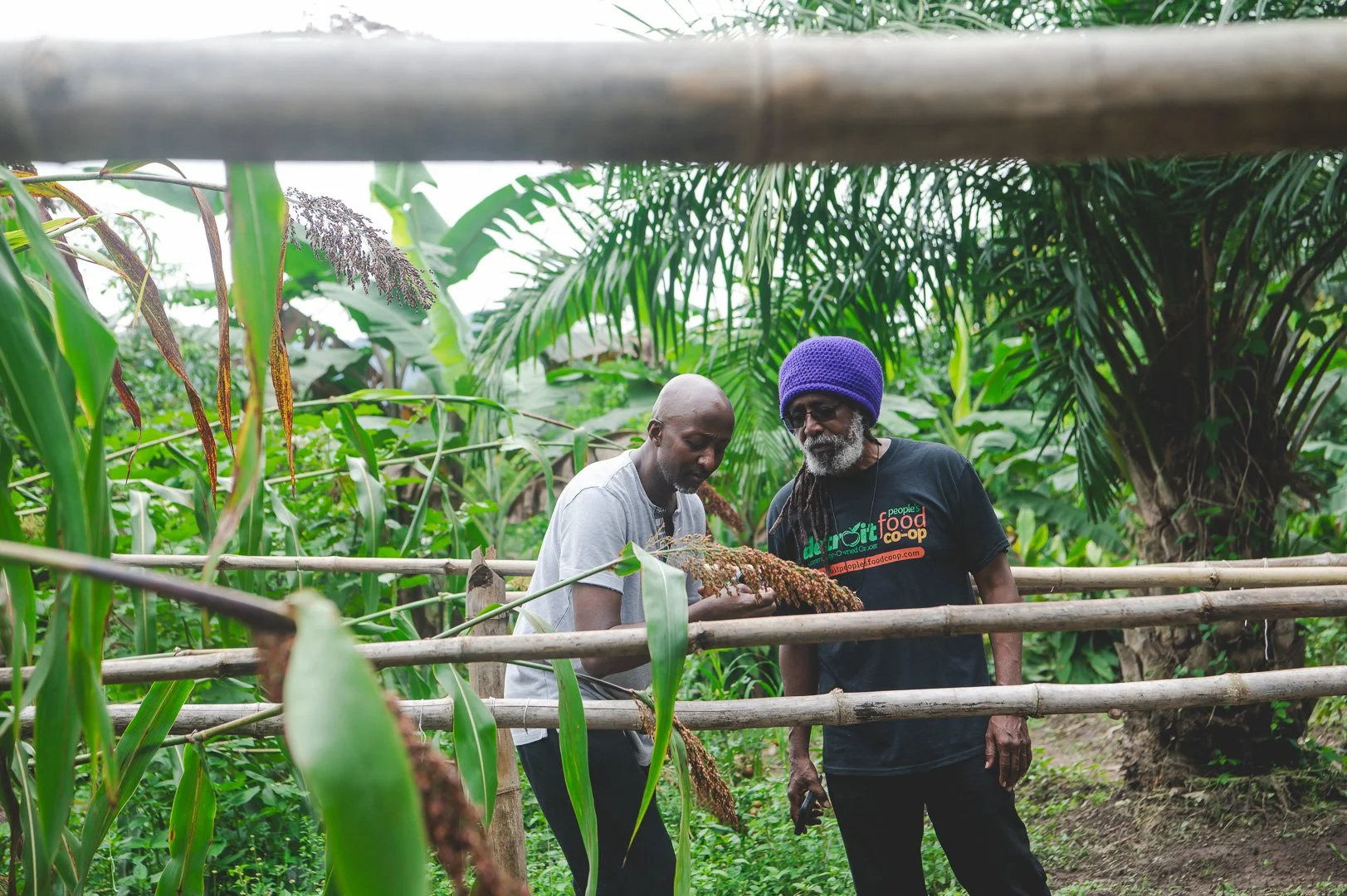
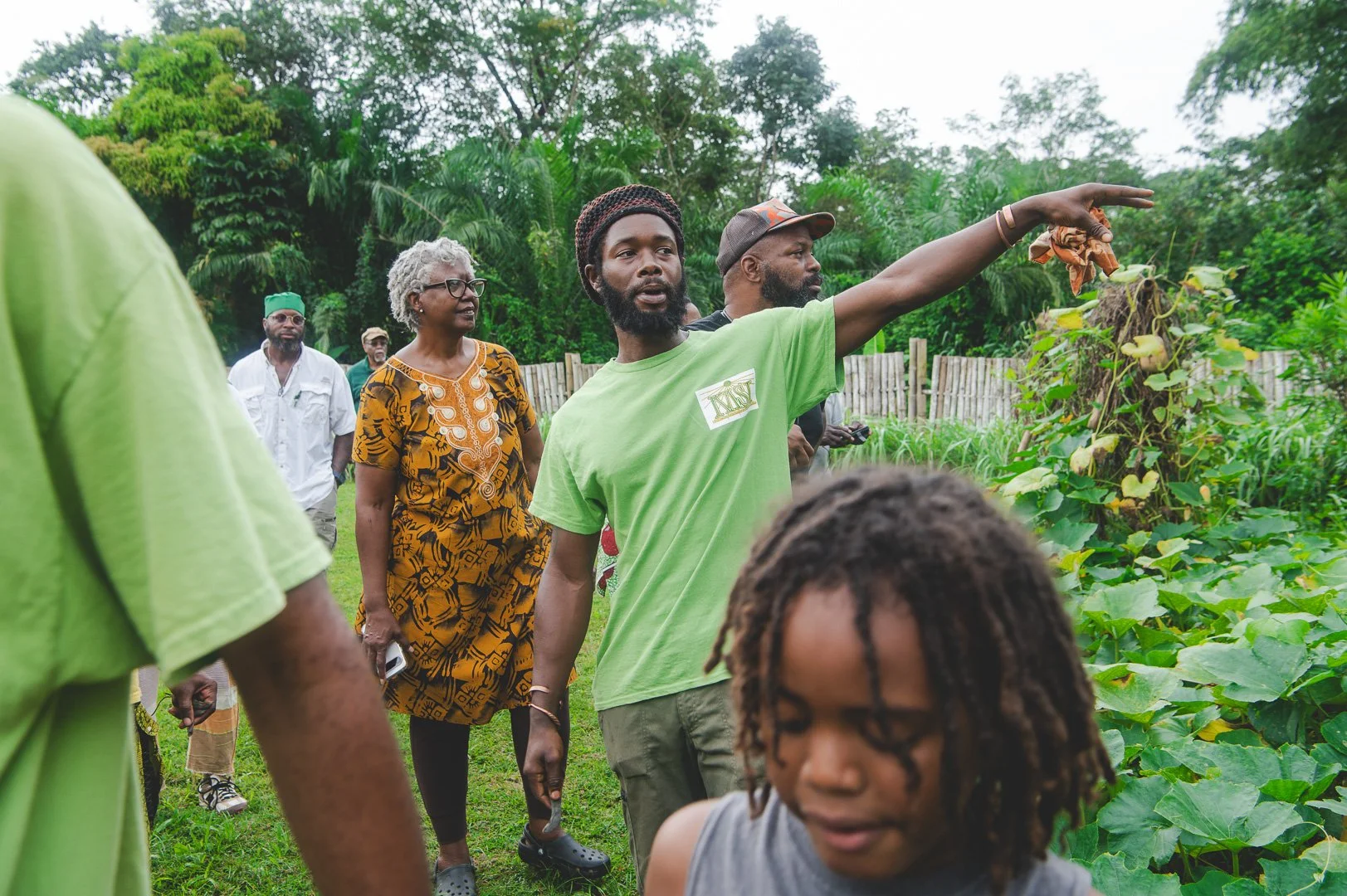
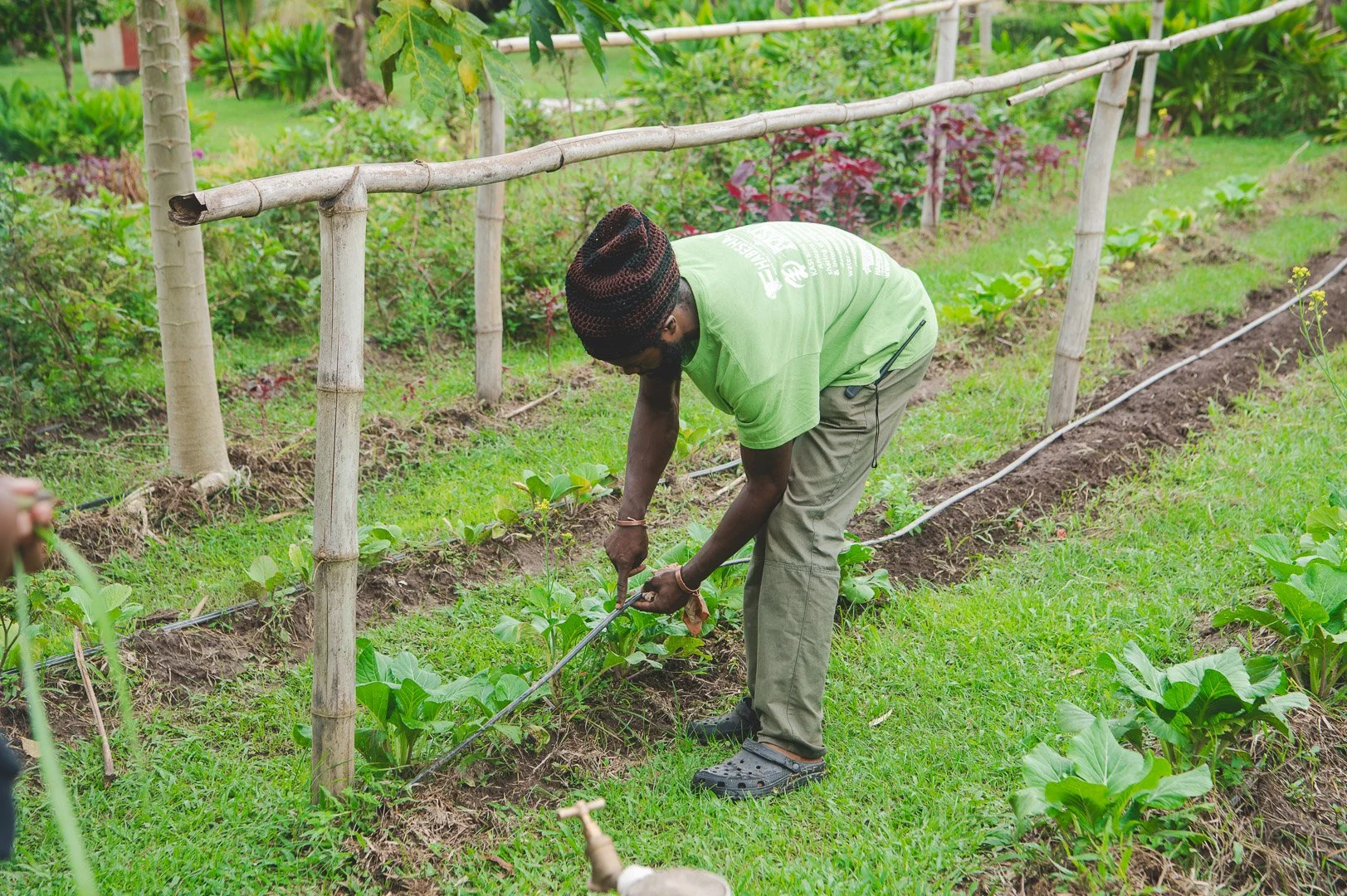
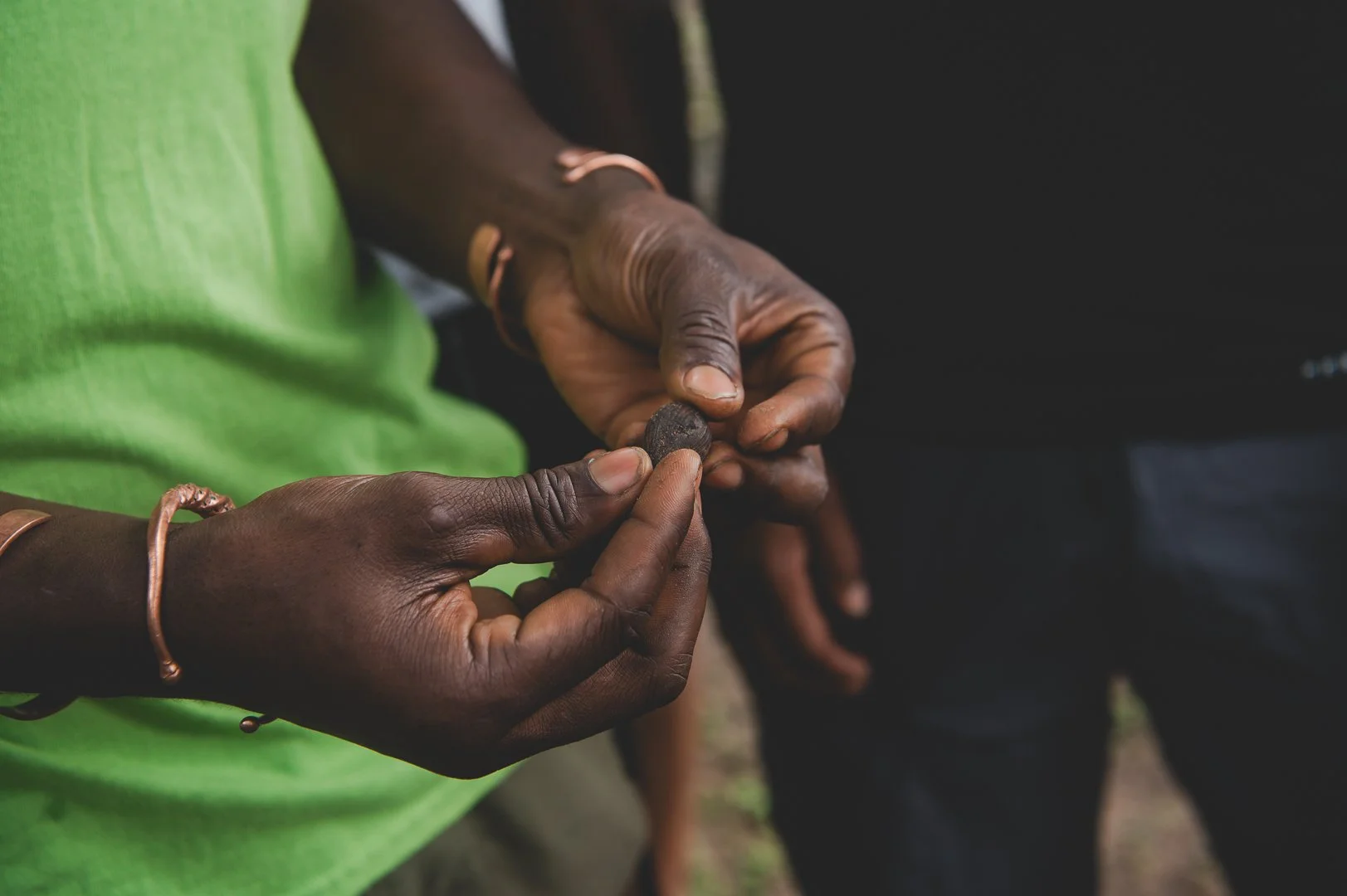
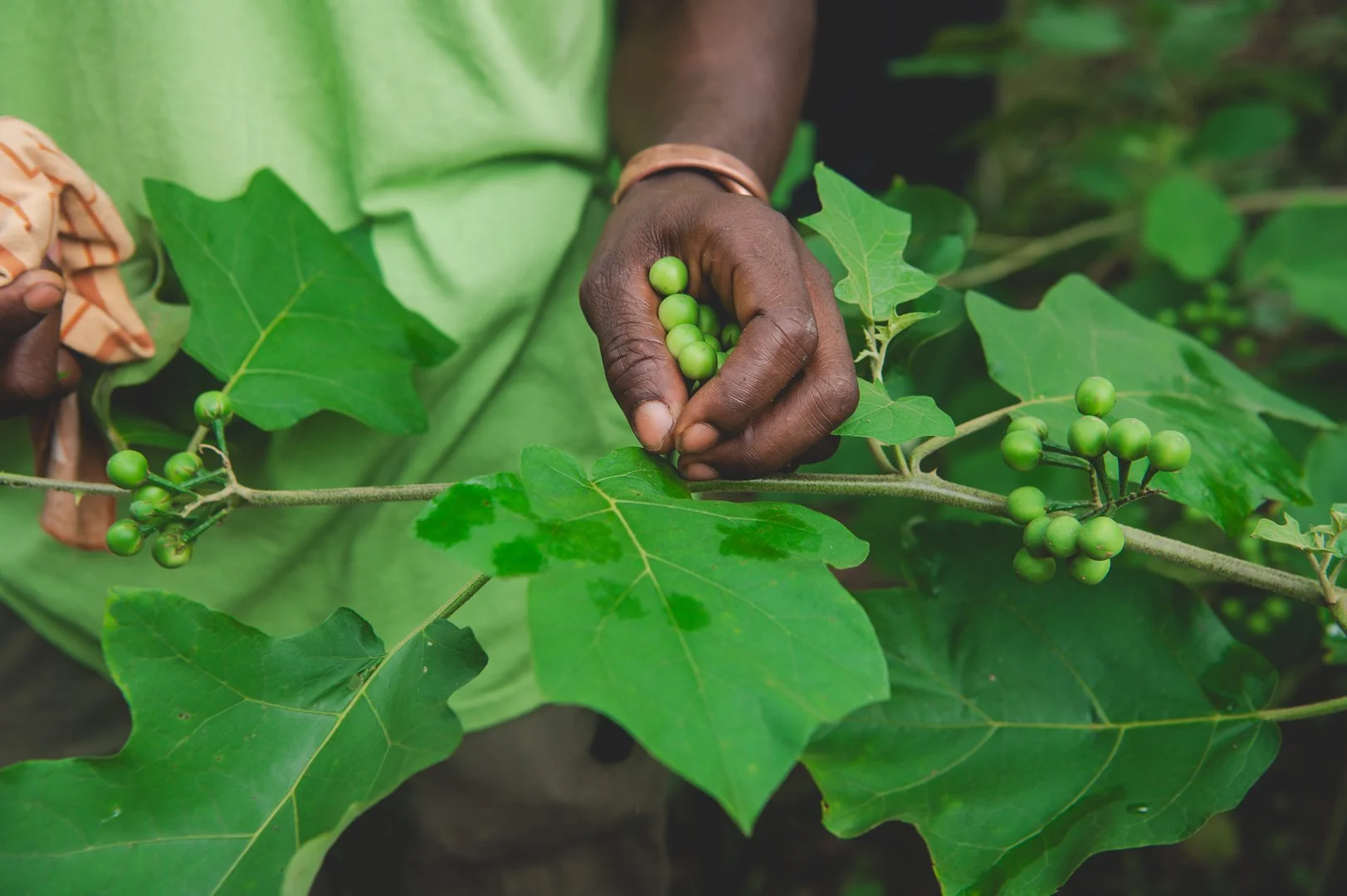
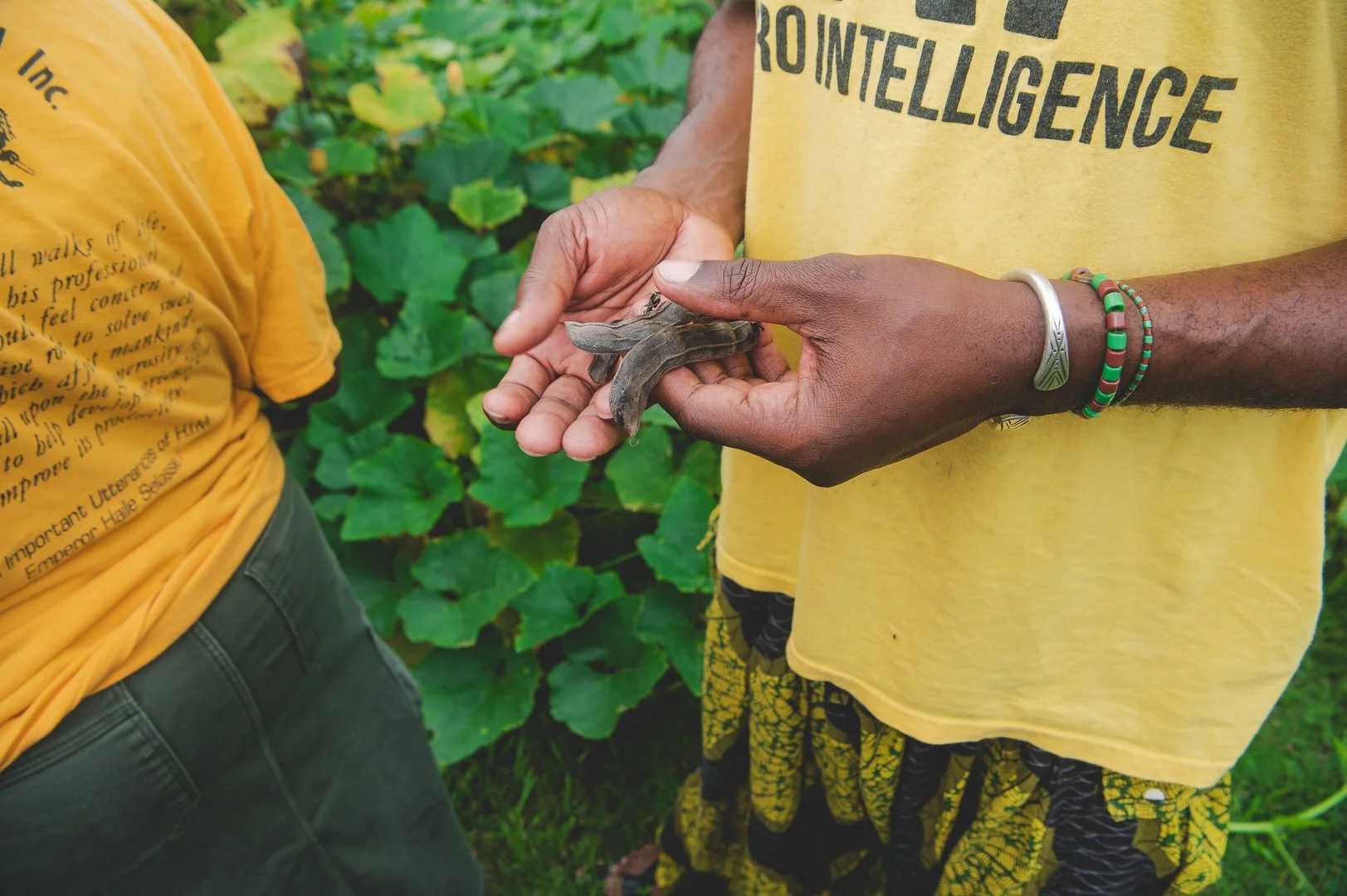
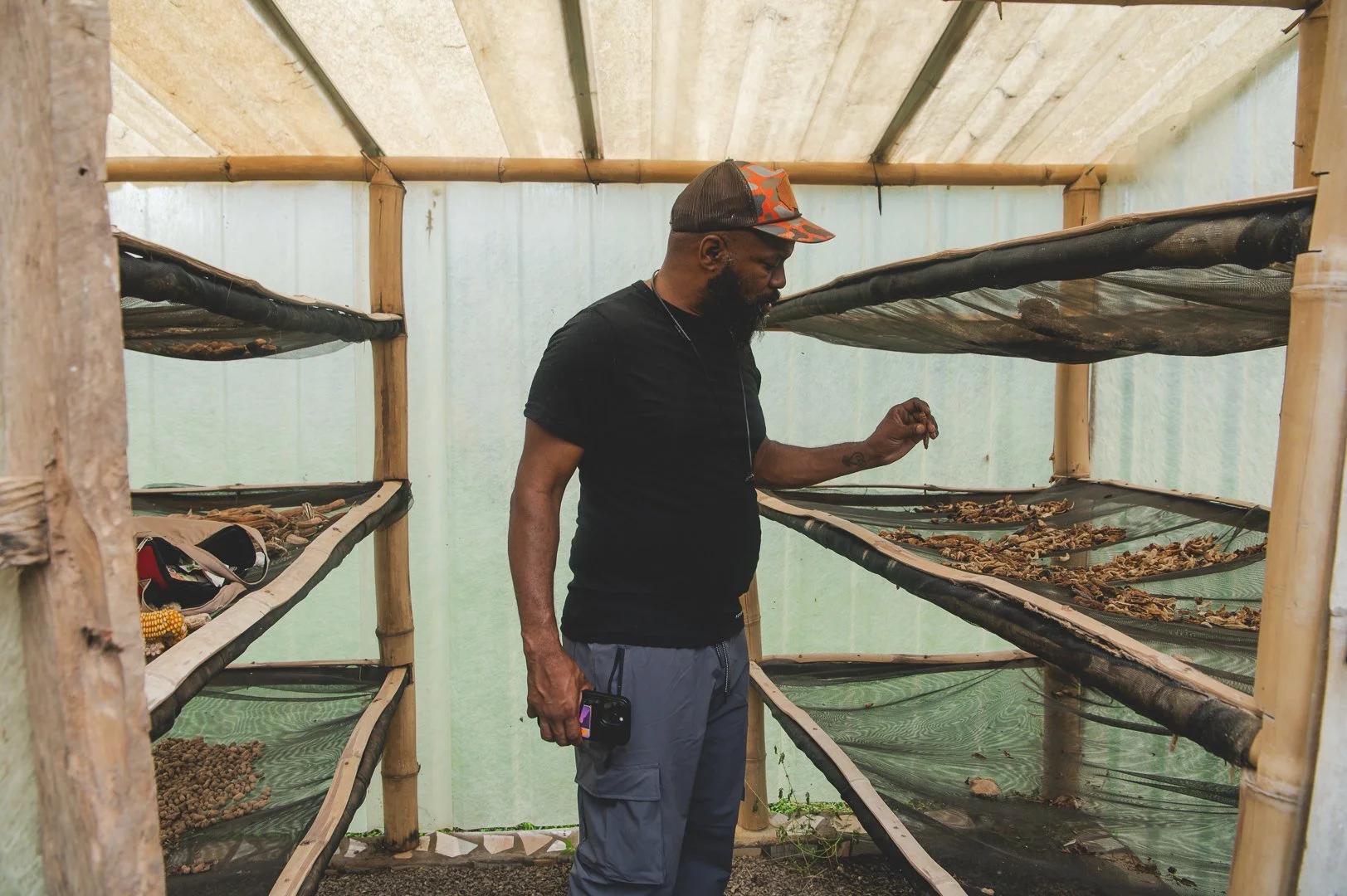
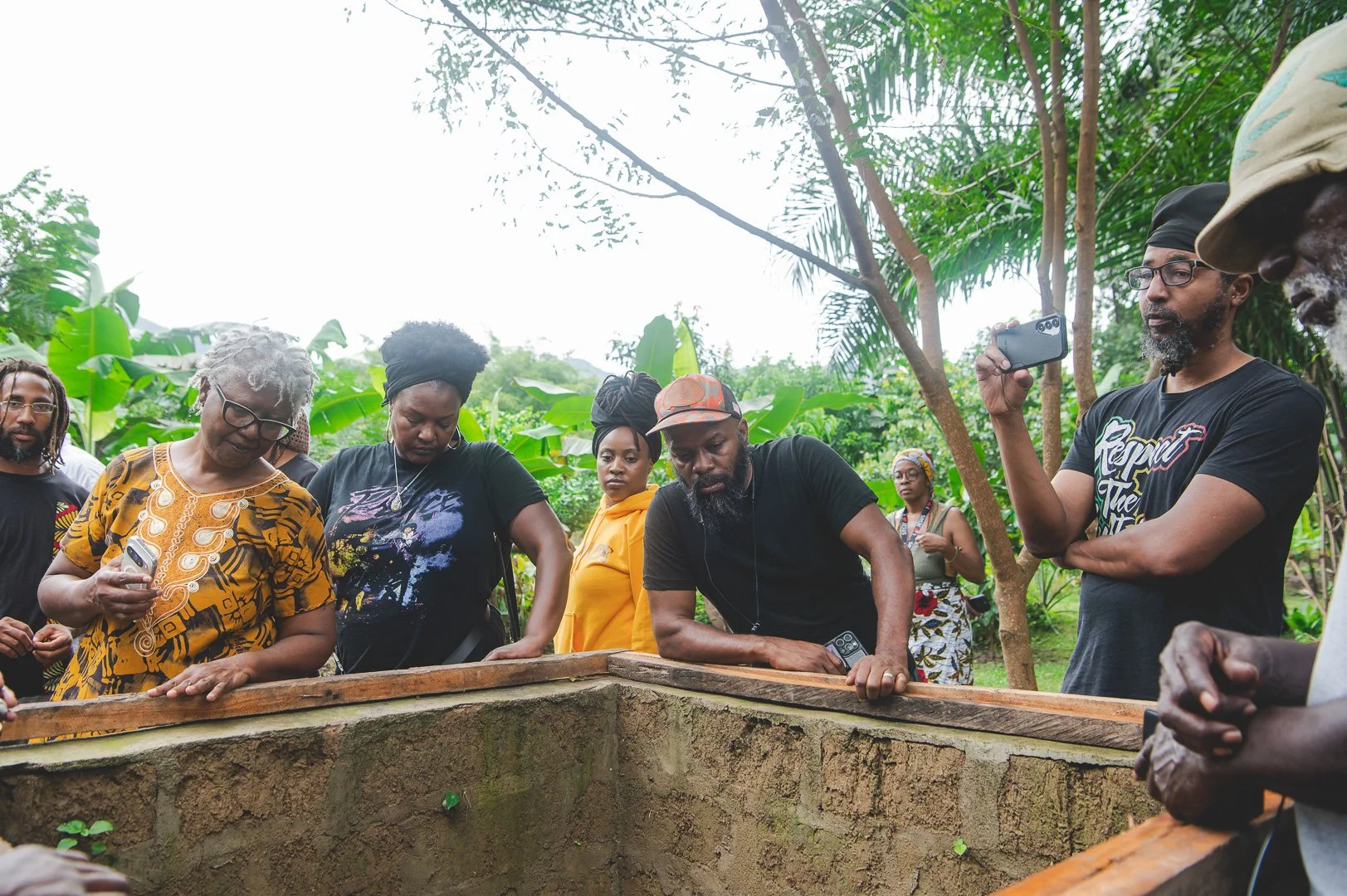
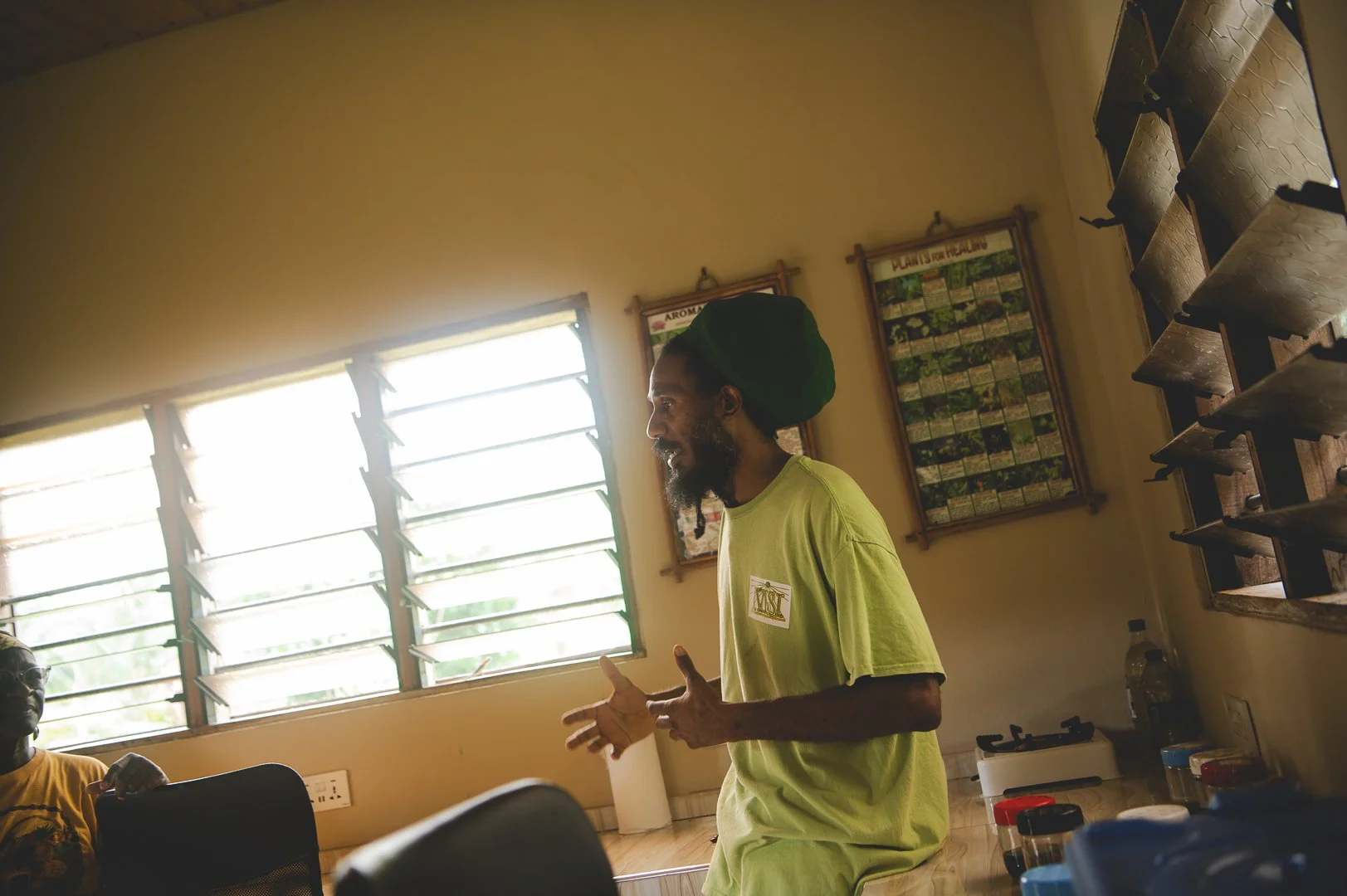
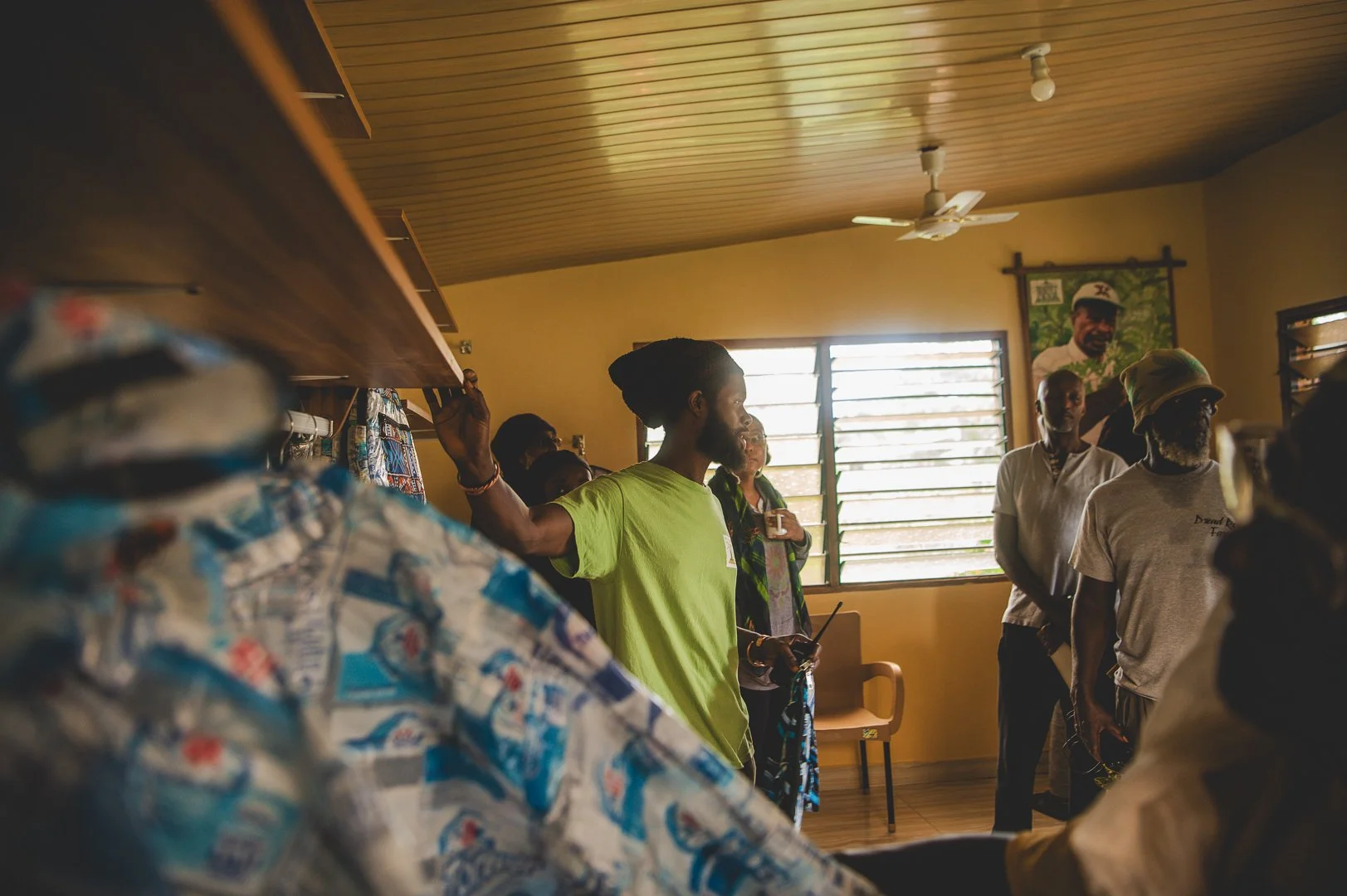
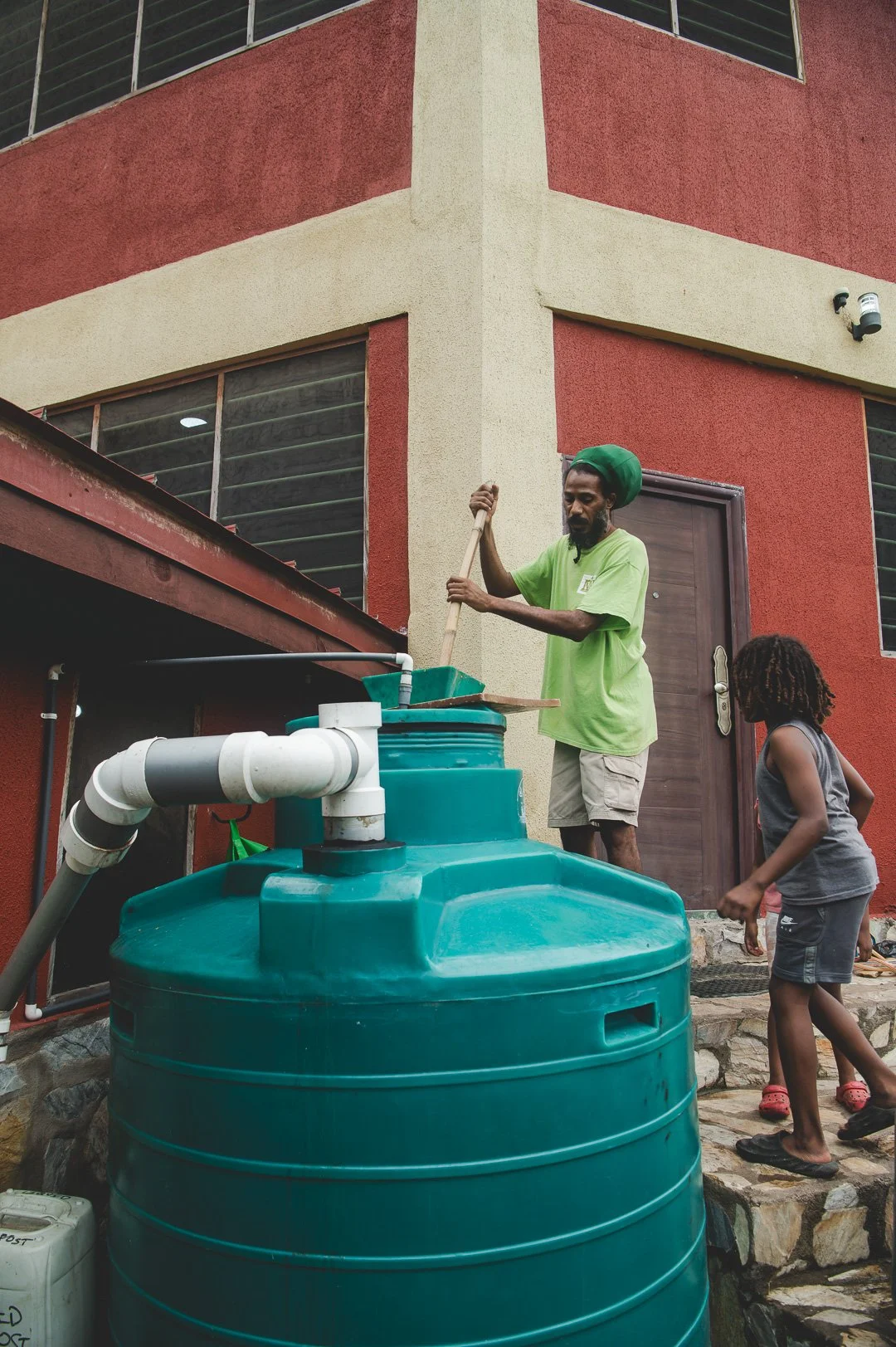
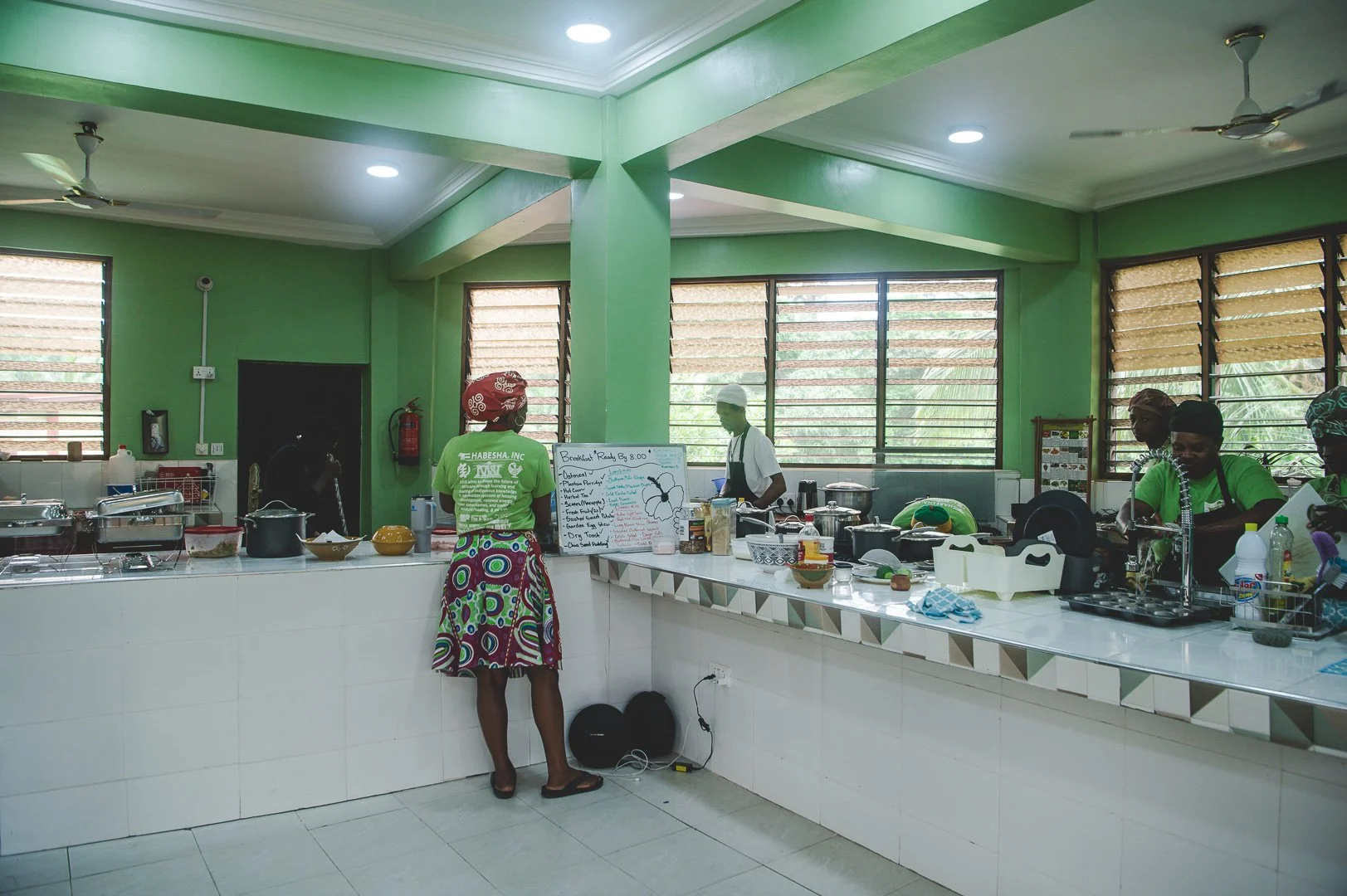
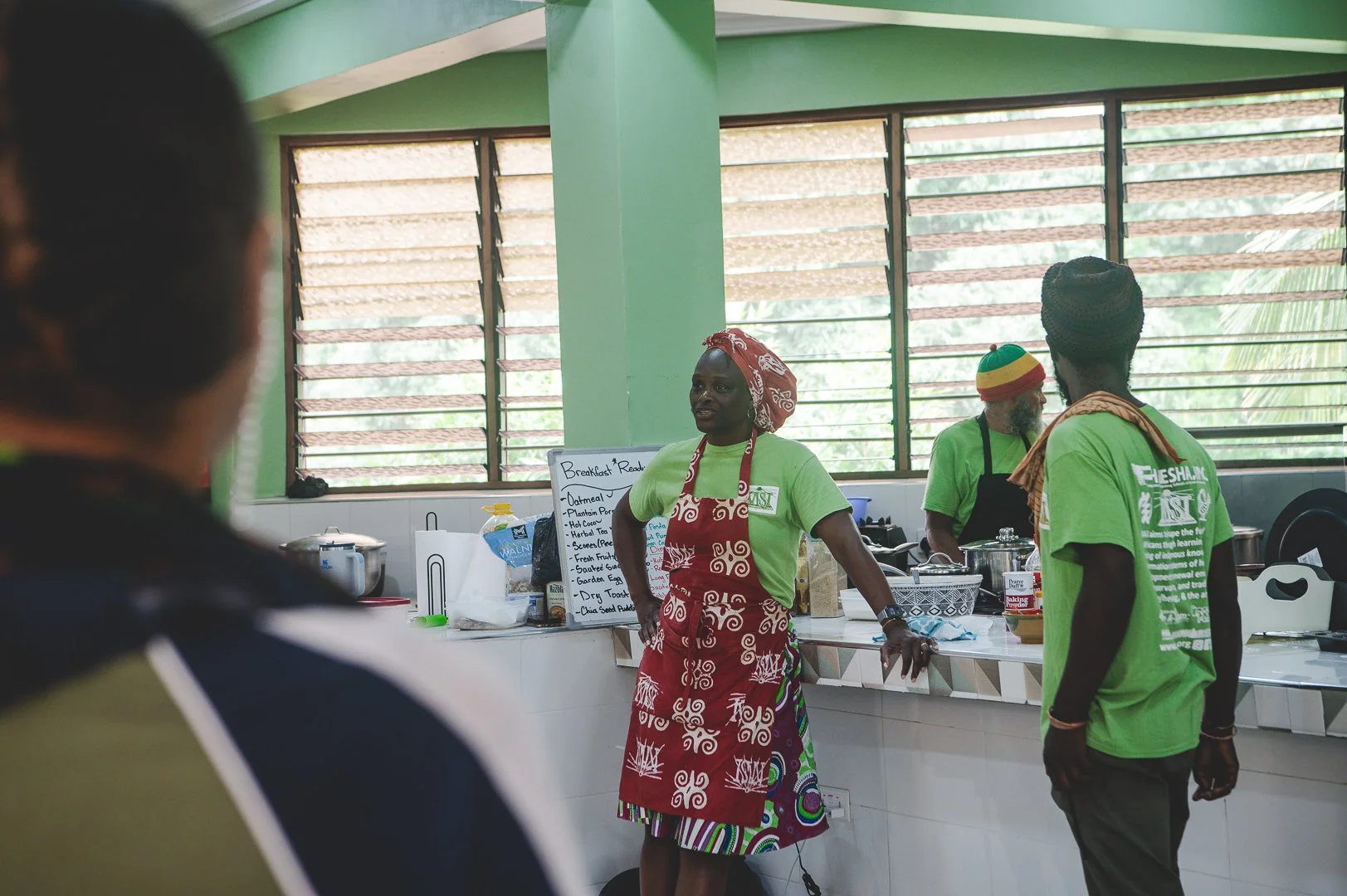
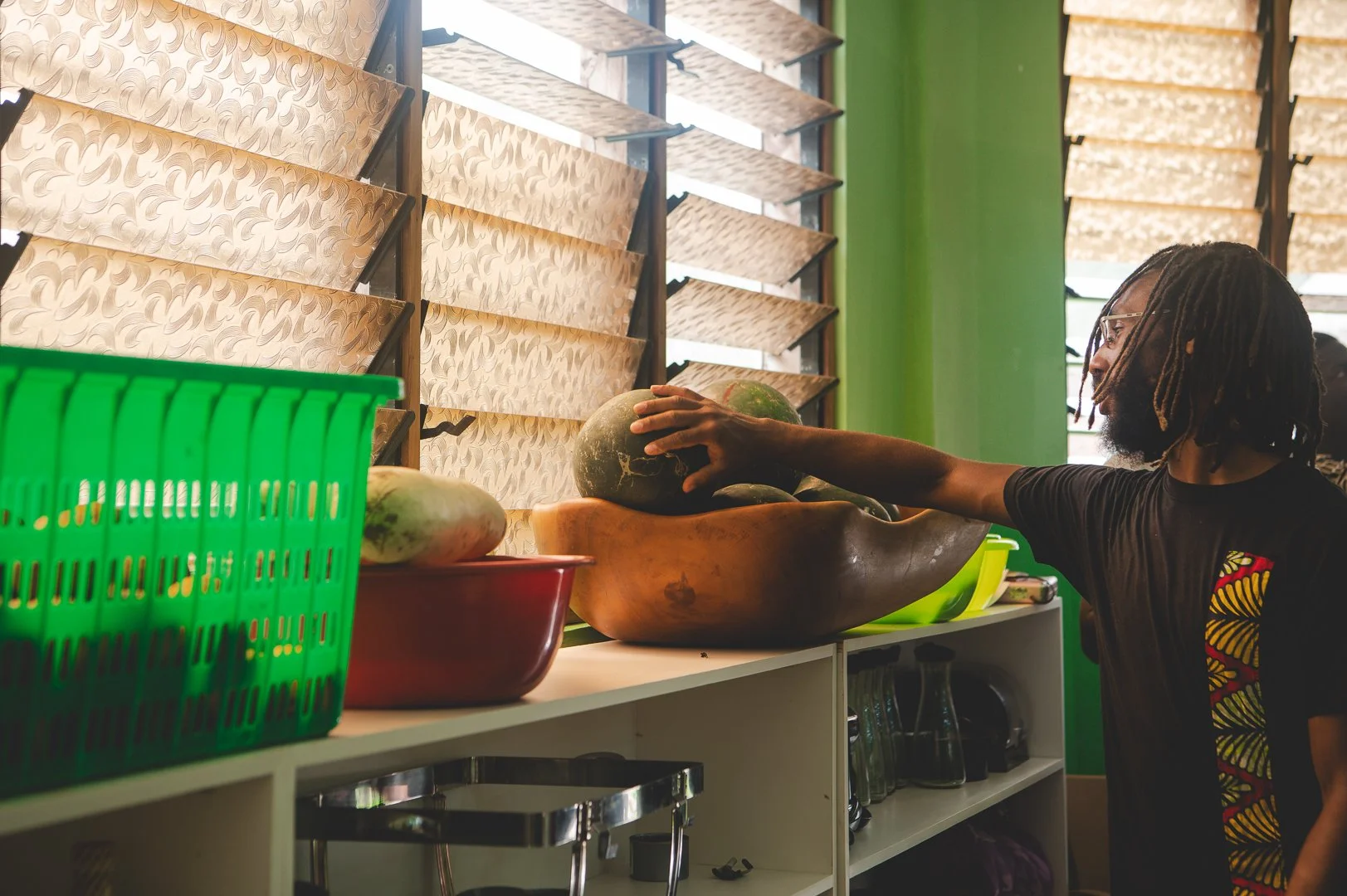
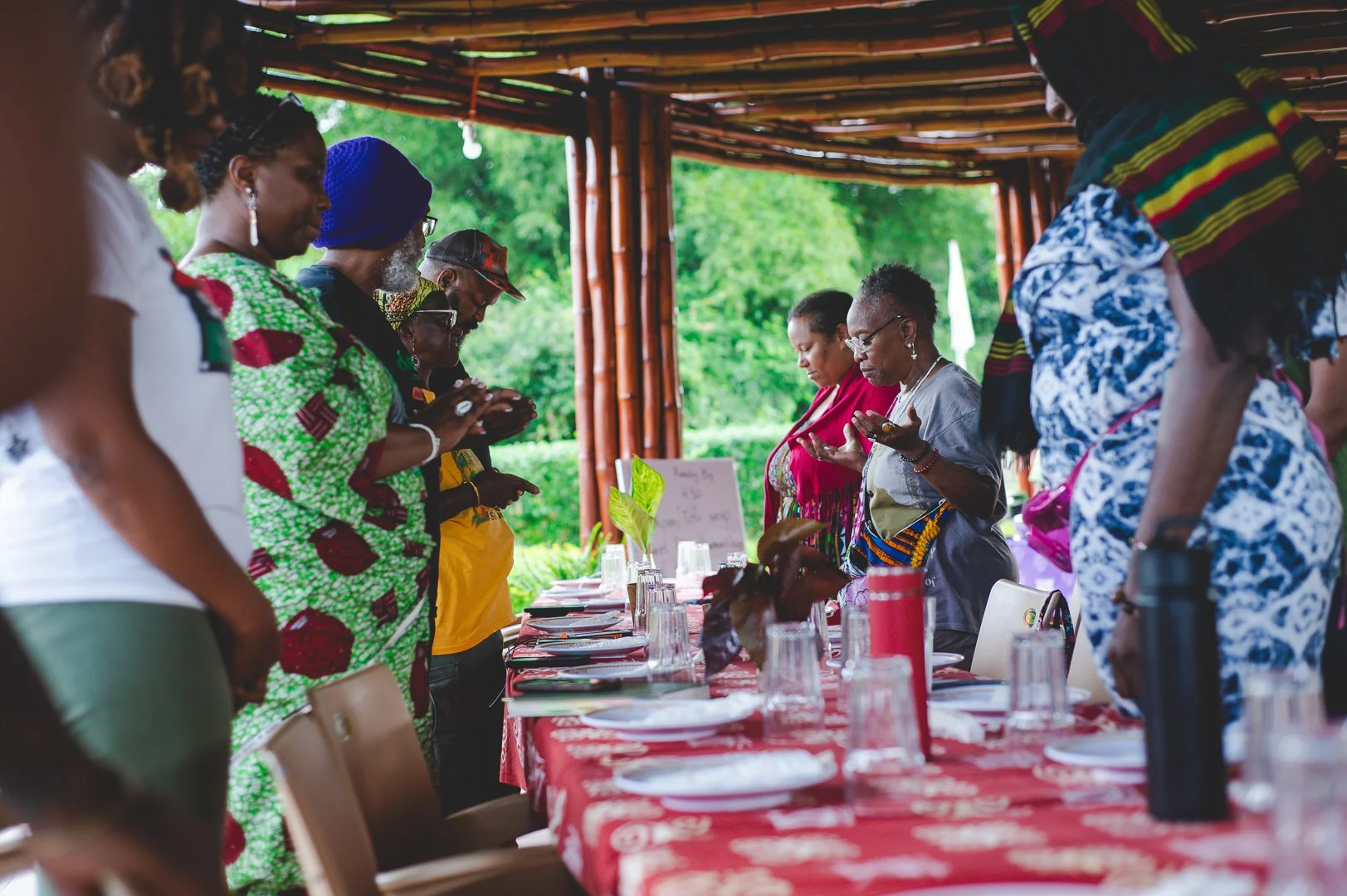
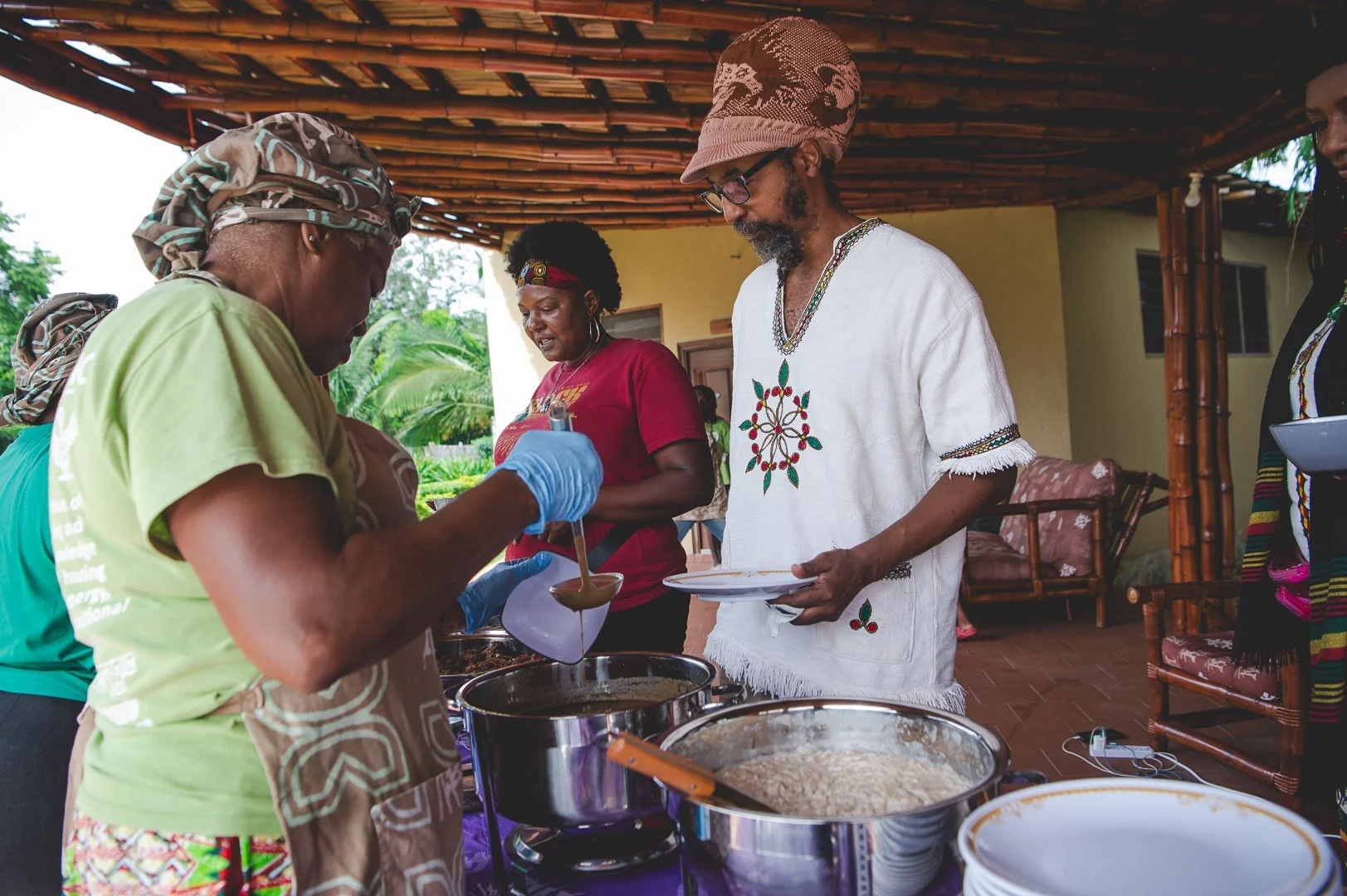
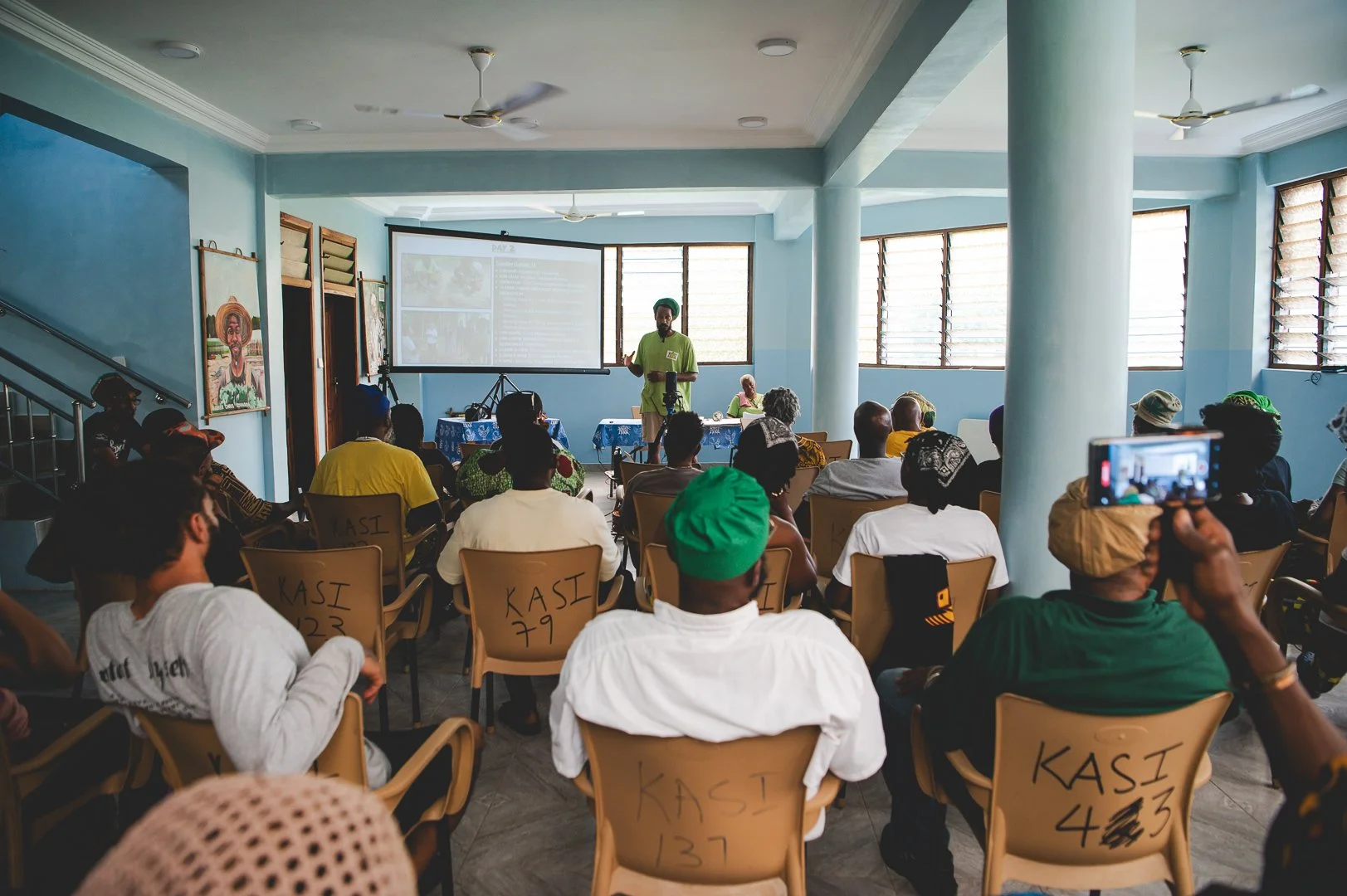
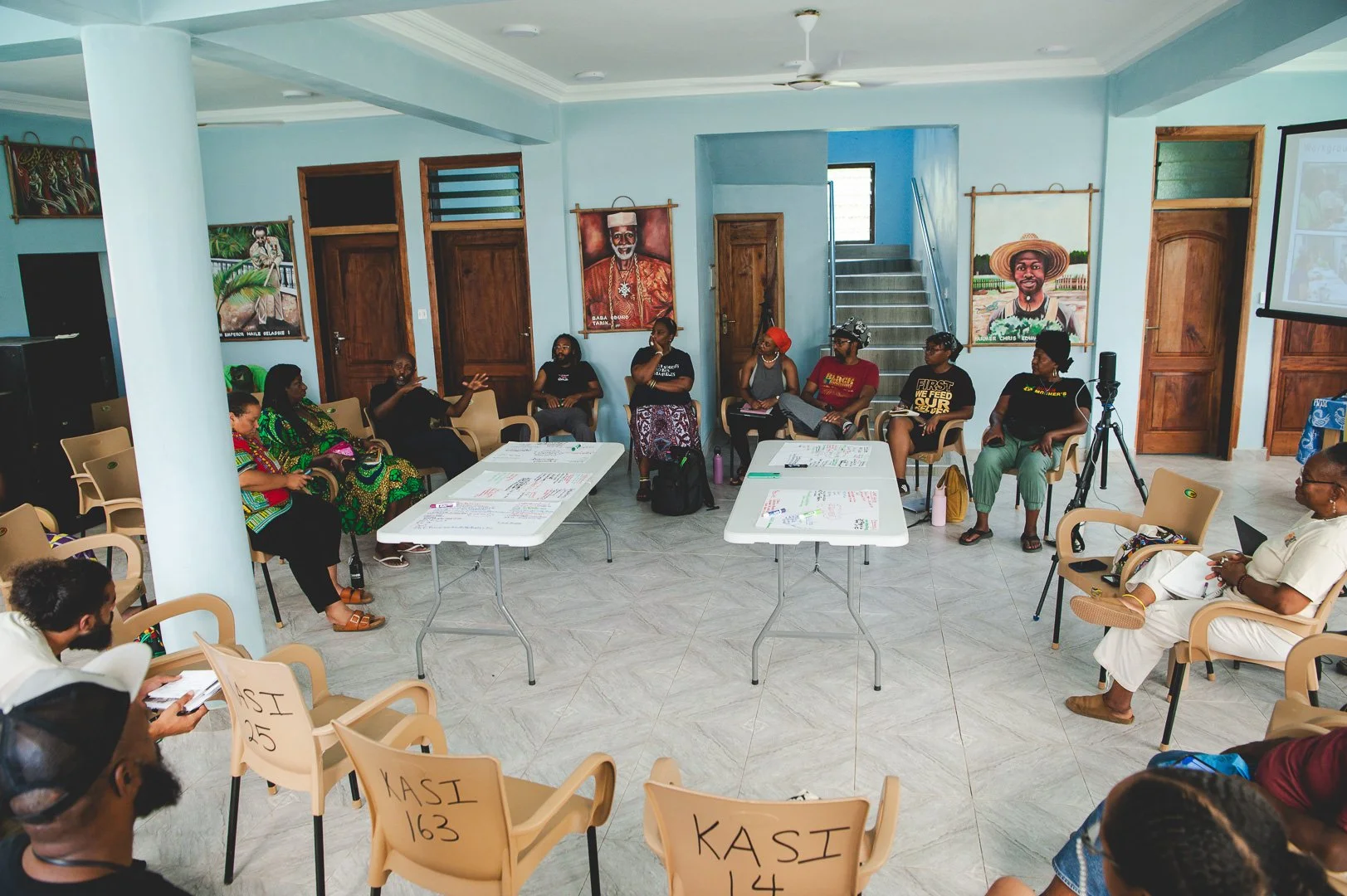
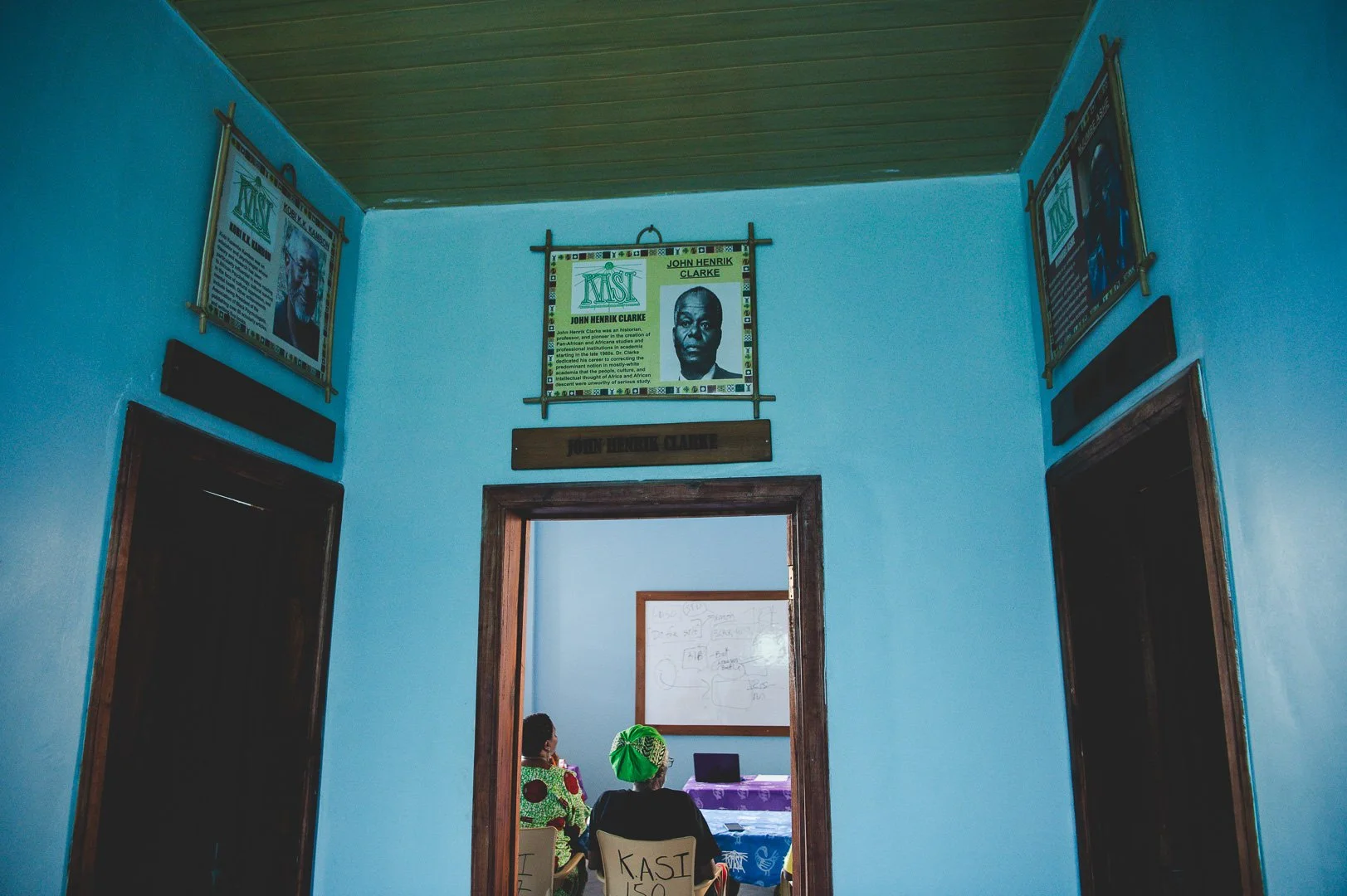
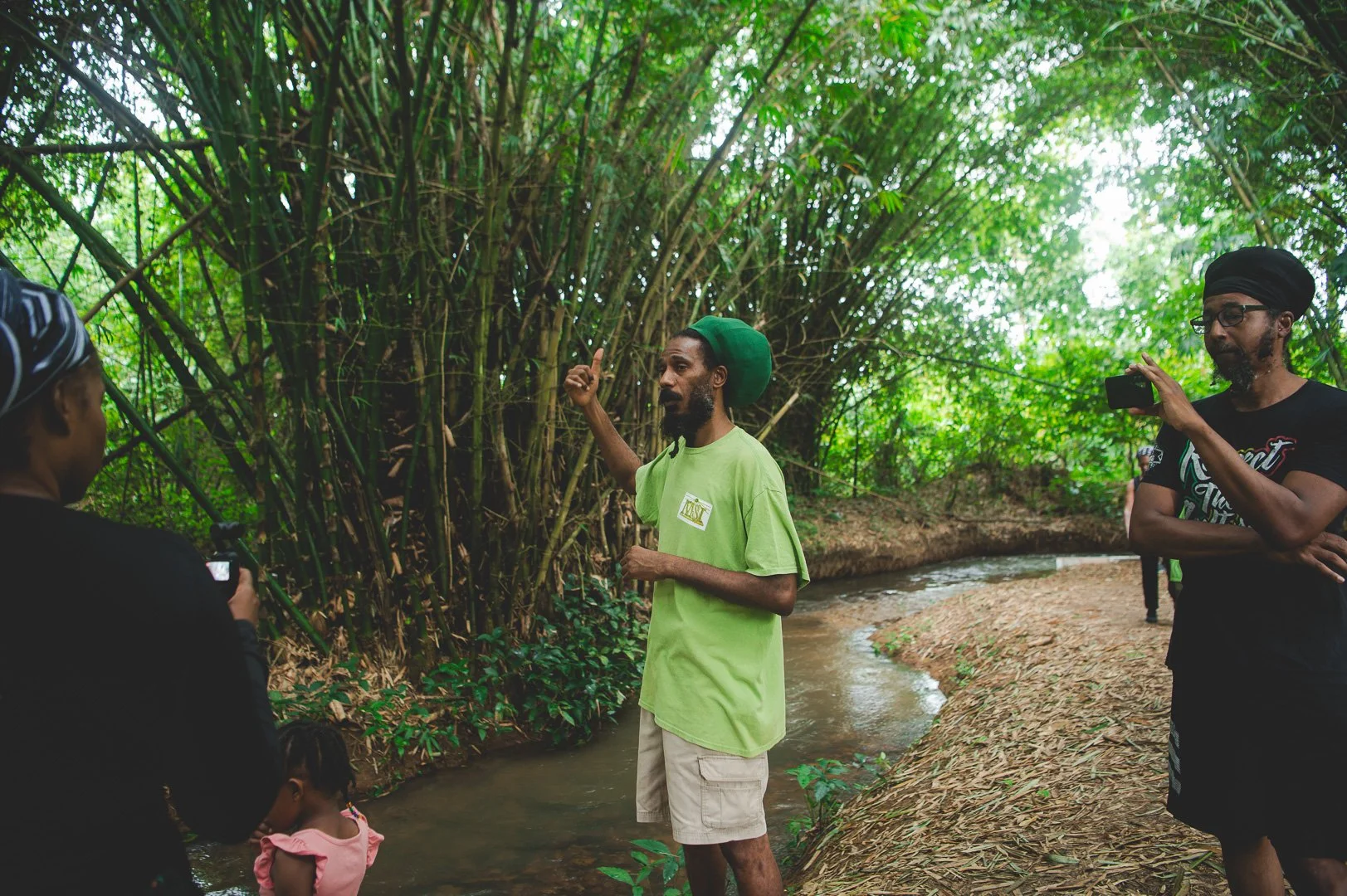
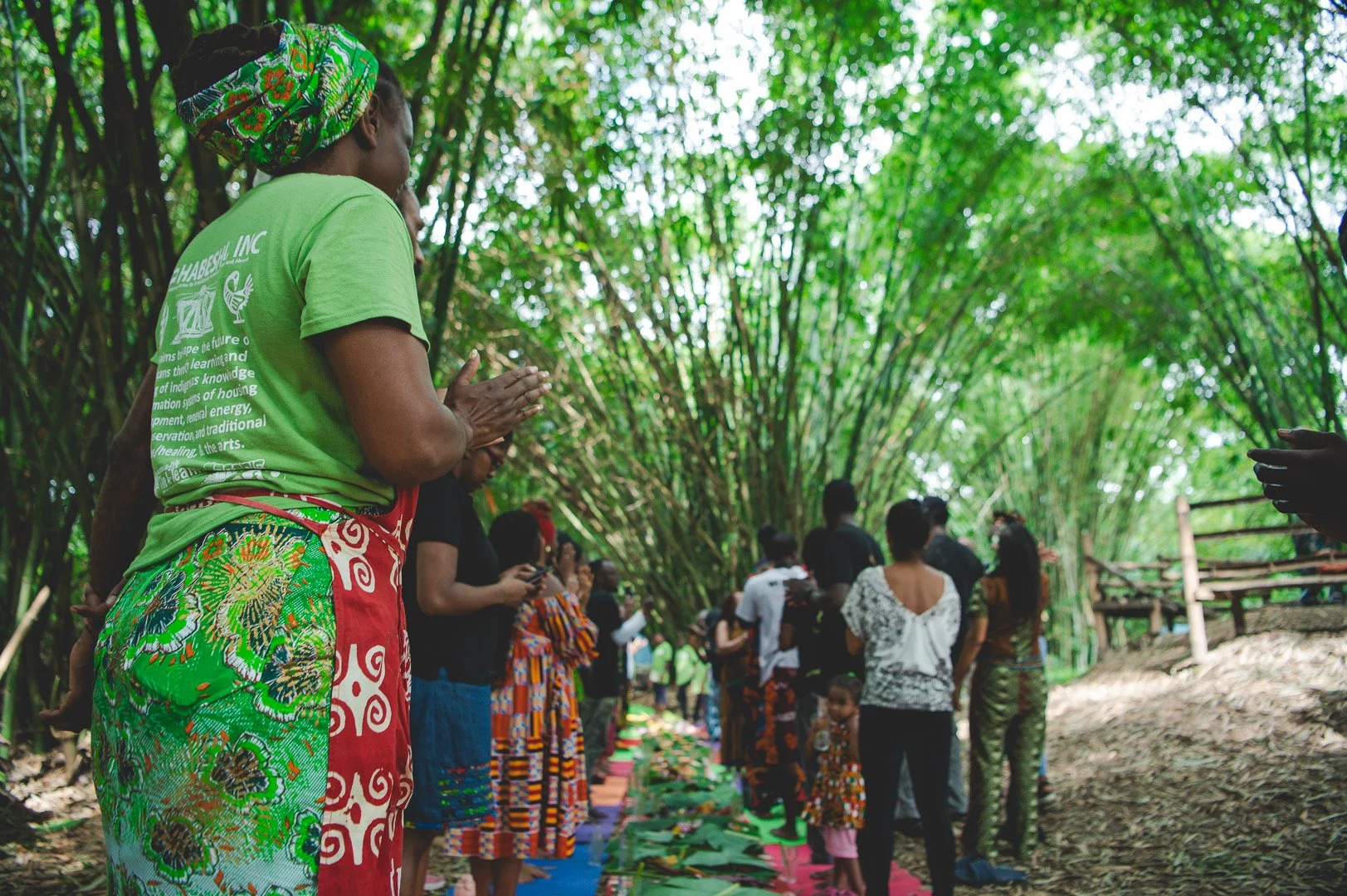
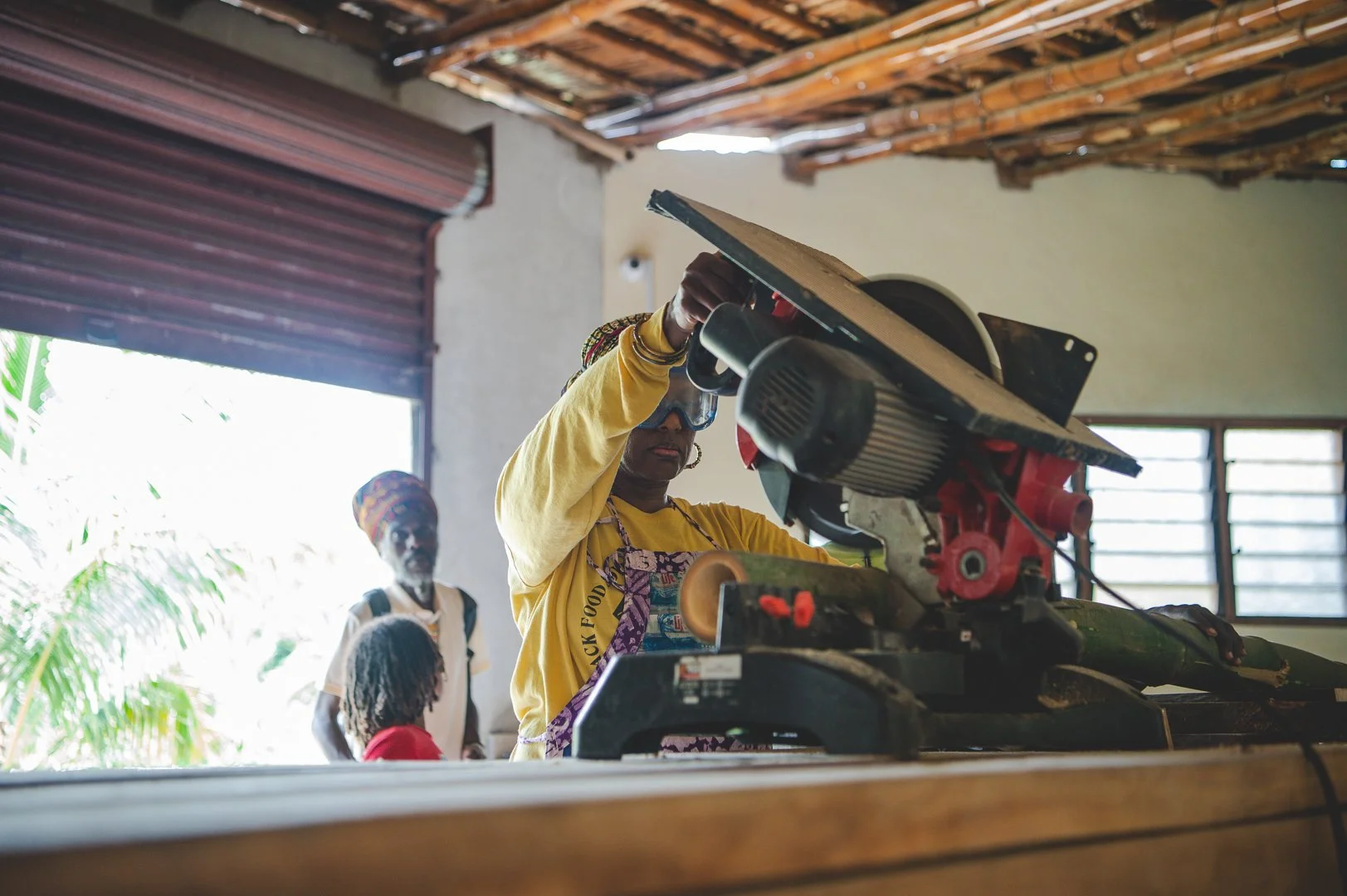
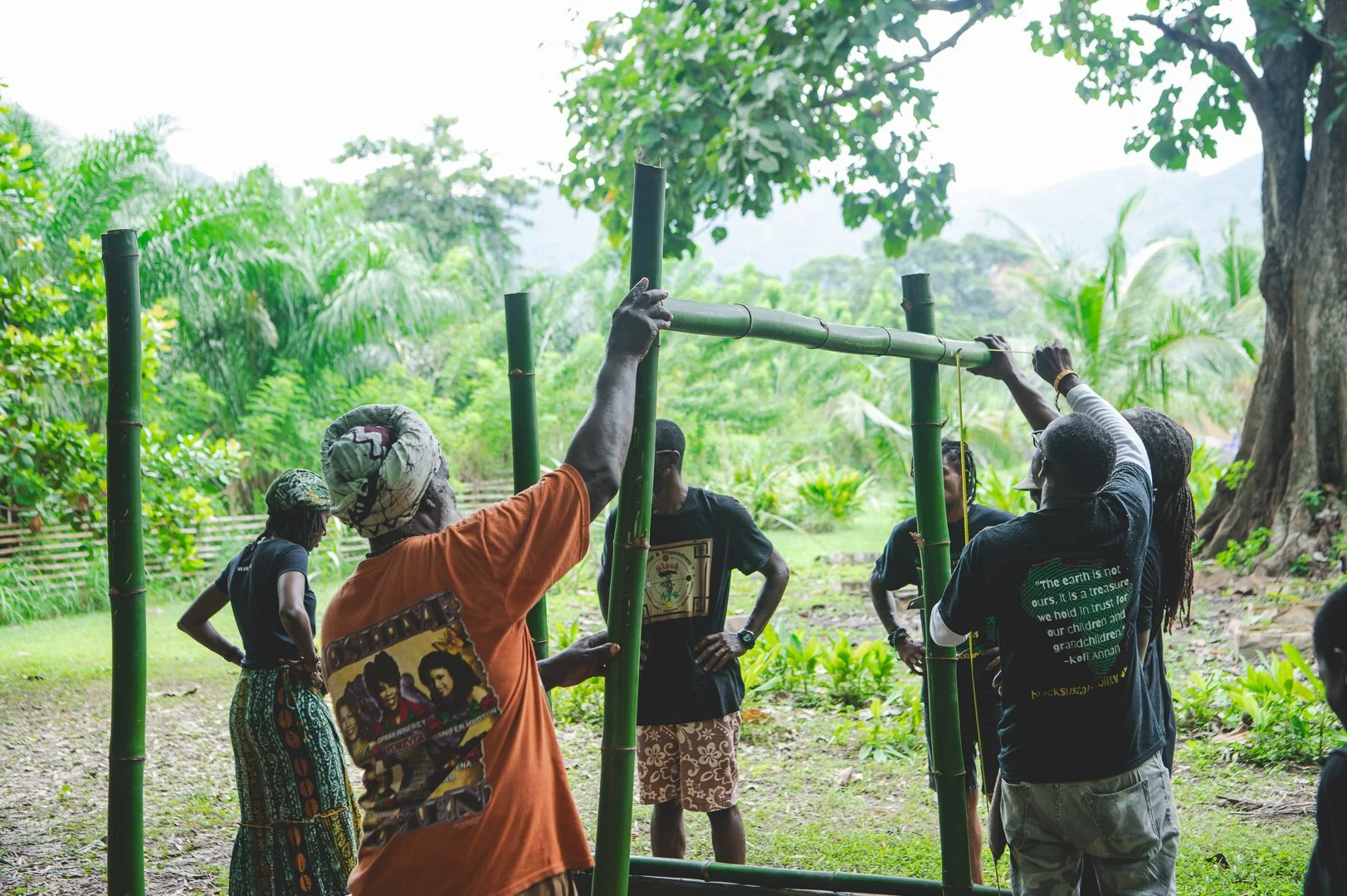
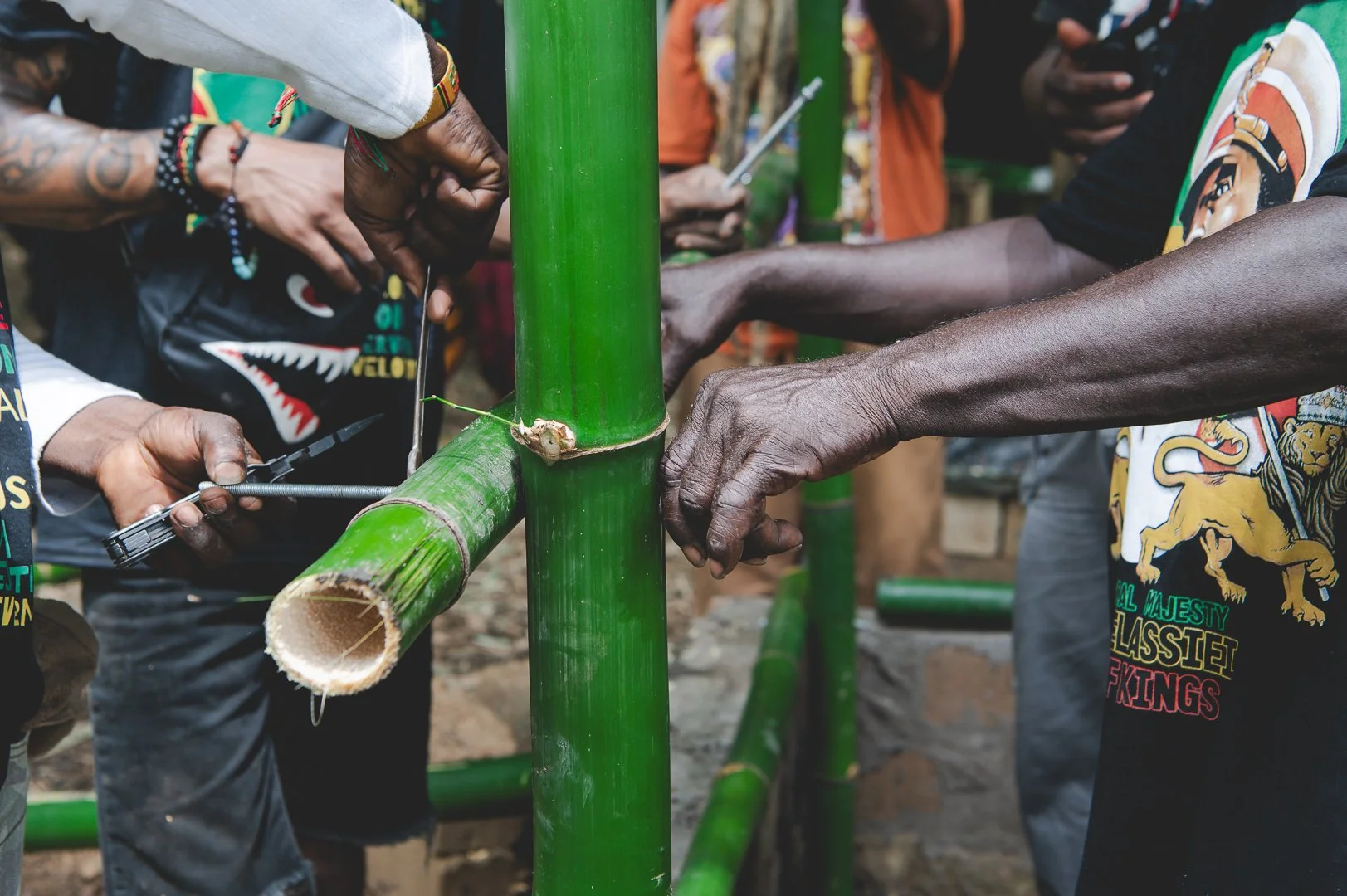
With just phase one completed, KASI, HABESHA, and its larger community have truly begun something incredible, with hopes of this Pan-African center and research hub “being a replicable model across the world,” Cashawn said.
Their model reminds us of the importance of reclamation, spiritual healing, and the Ghanaian principle Sankofa, which urges us to grasp lessons from the past to forge our futures.
African people of Turtle Island, especially, know that our work is one of remembrance. With each training and teaching, we lift the generational amnesia of our people, and we bring ourselves home mentally, spiritually, and physically.
—
Big ups to Baba Cashawn, who clearly walks in the footprints of the forefathers and teachers he studies closely to this day. Thank you also to Mama Rita Mitchell, Chef Shevon Myers, Brother Shareef Shabazz, Mr. Mawusi, and the entire community of Liati Wote for hosting us so graciously and charting a path towards Black food sovereignty, self-determination, and ecologically reparative agriculture.
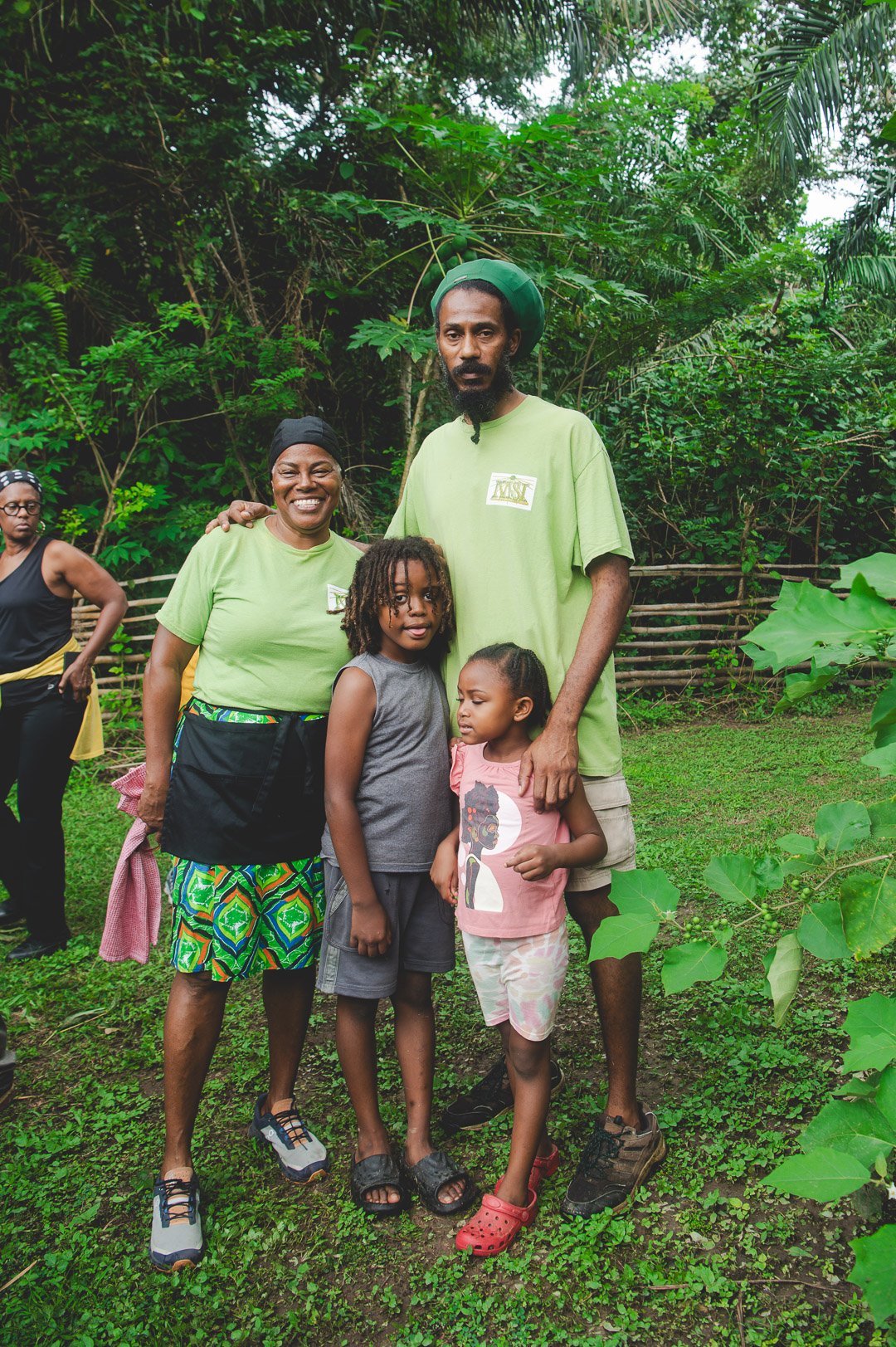
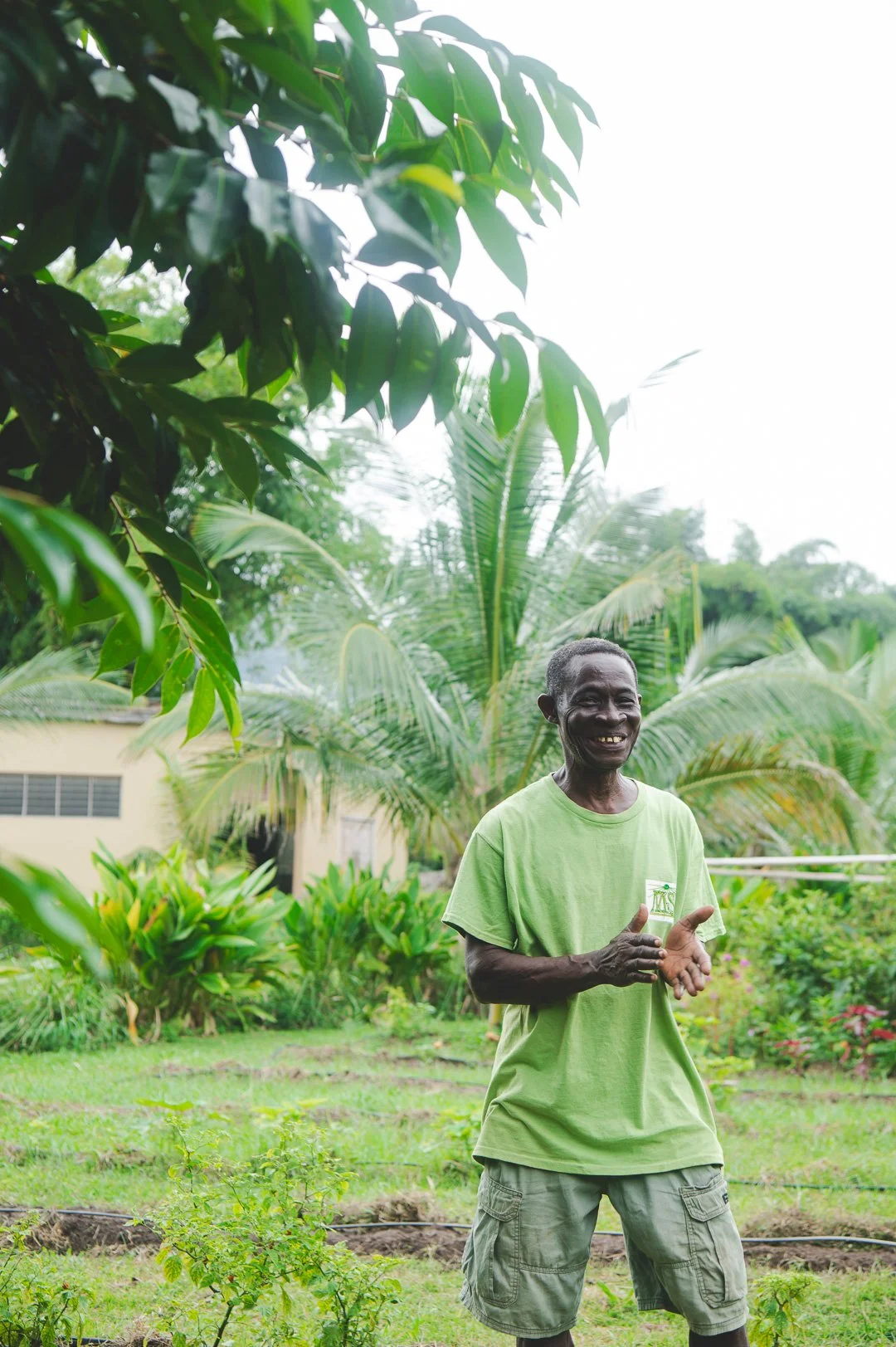
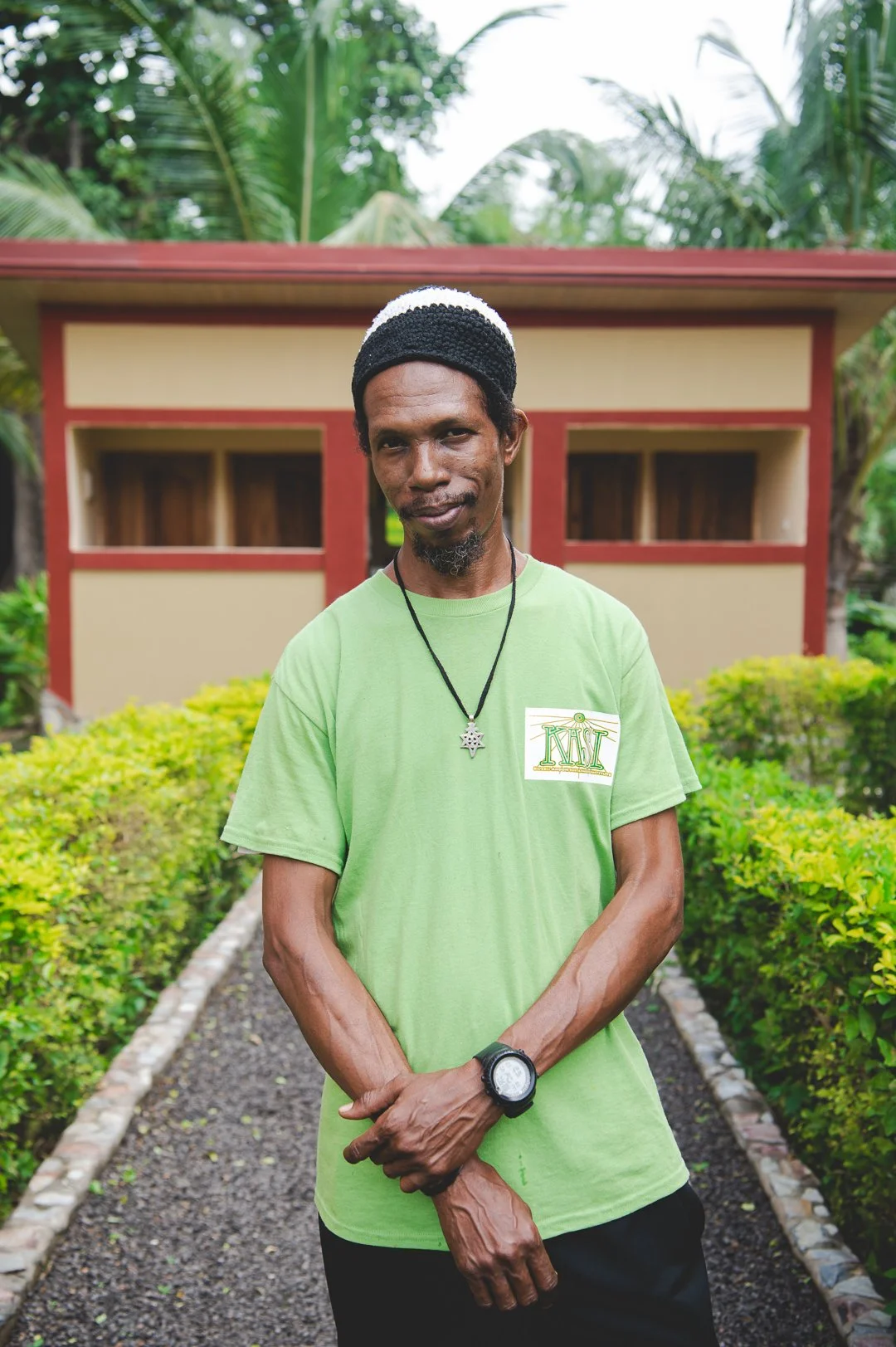
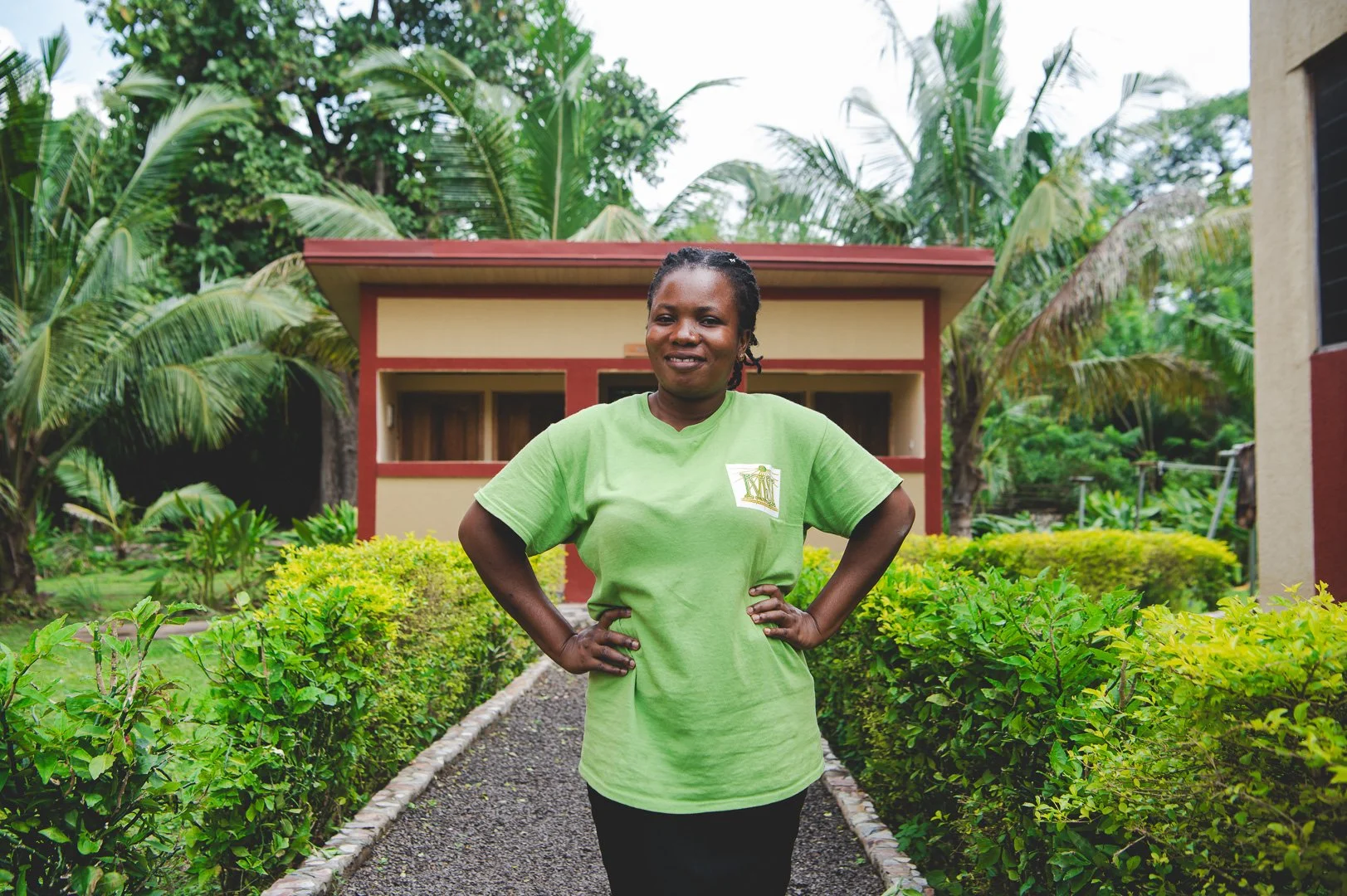
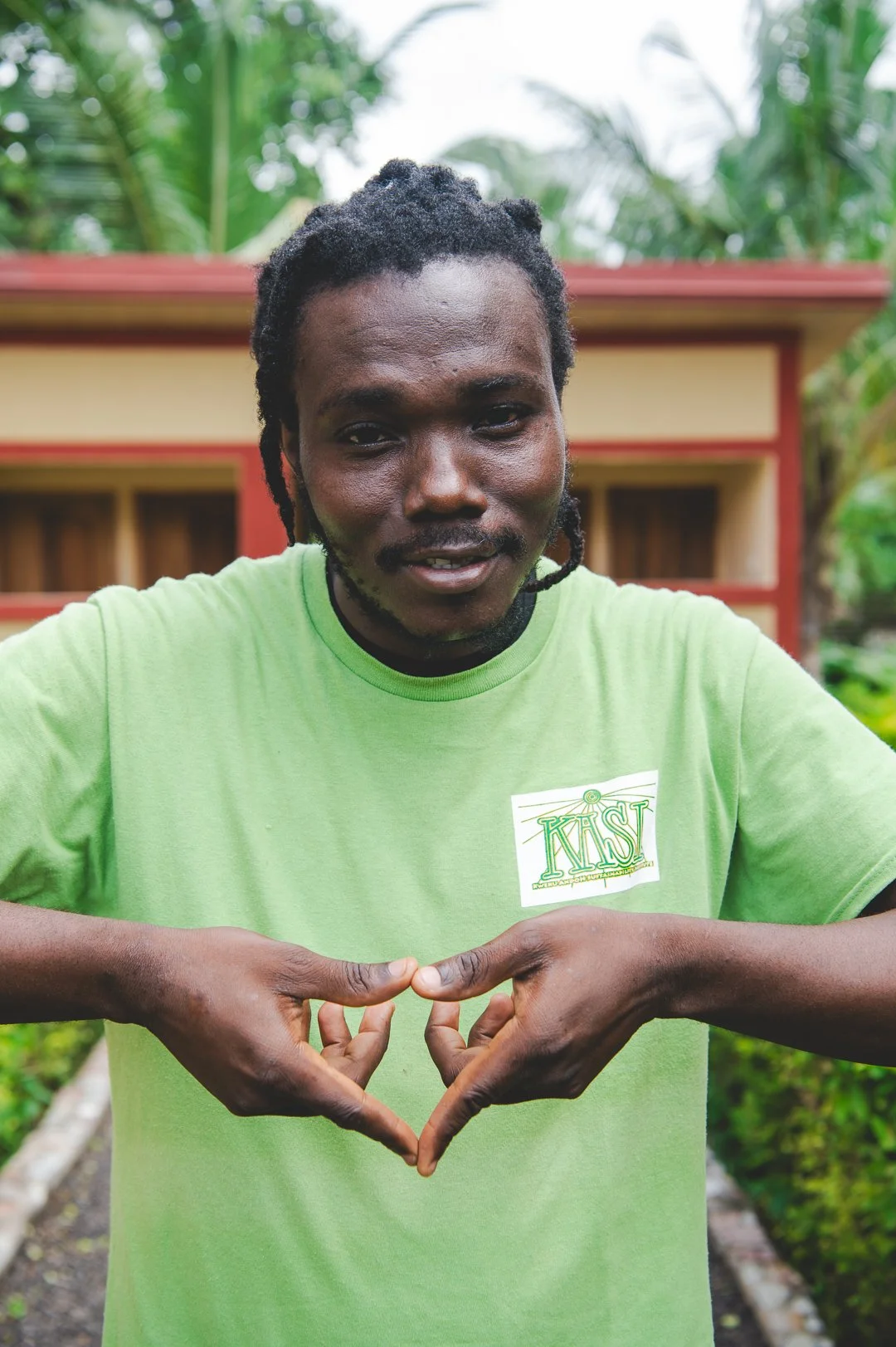
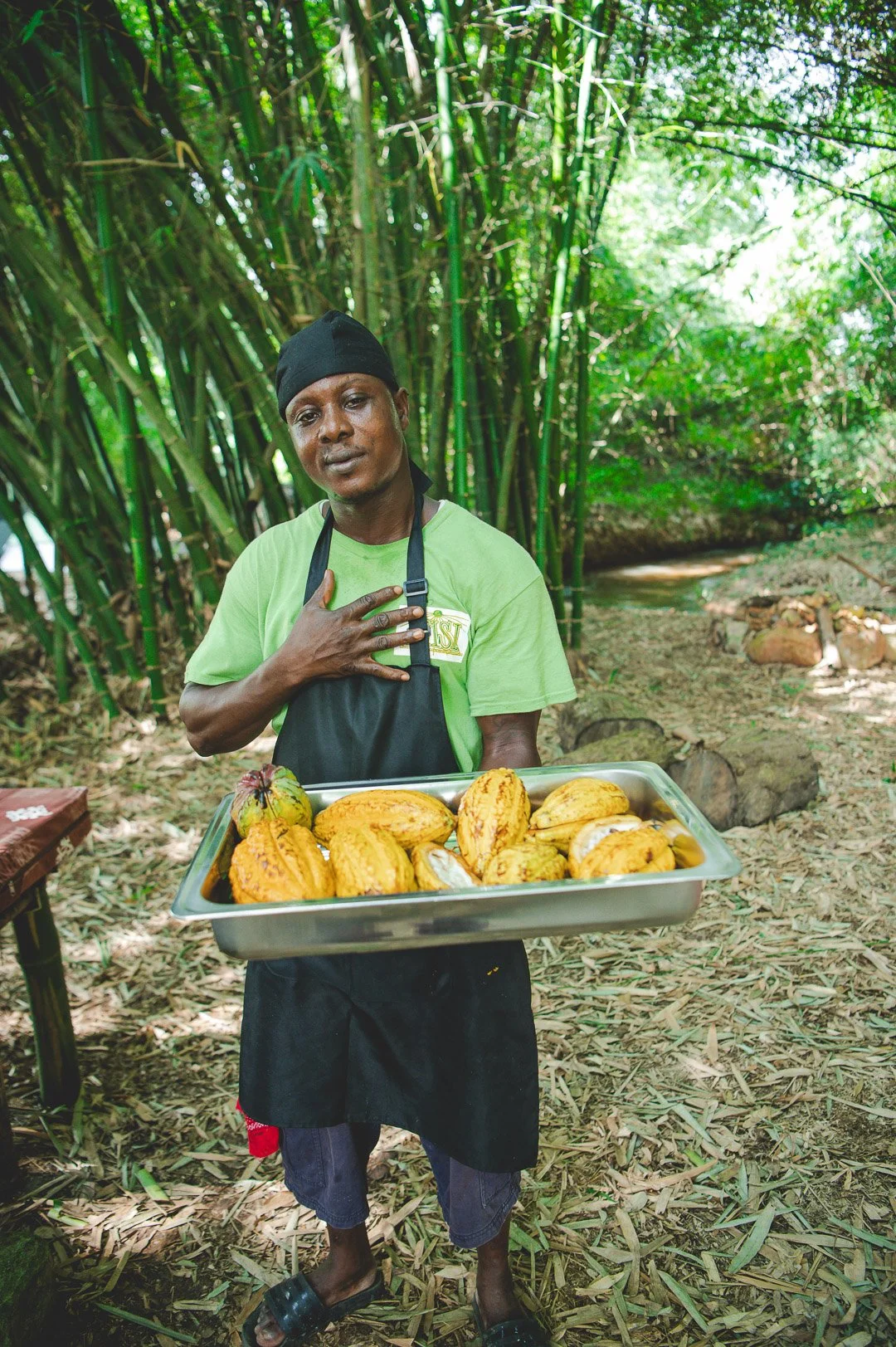
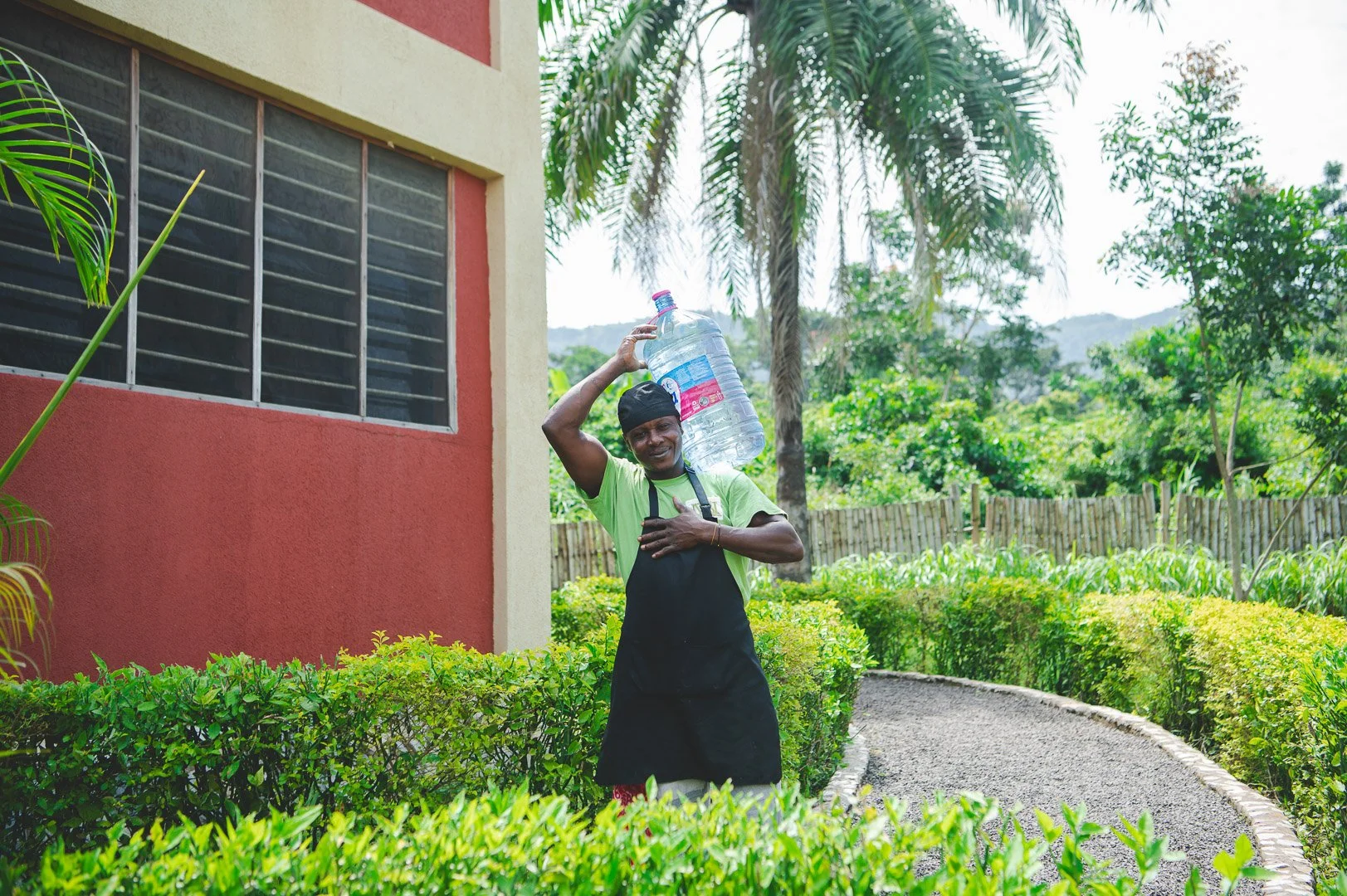
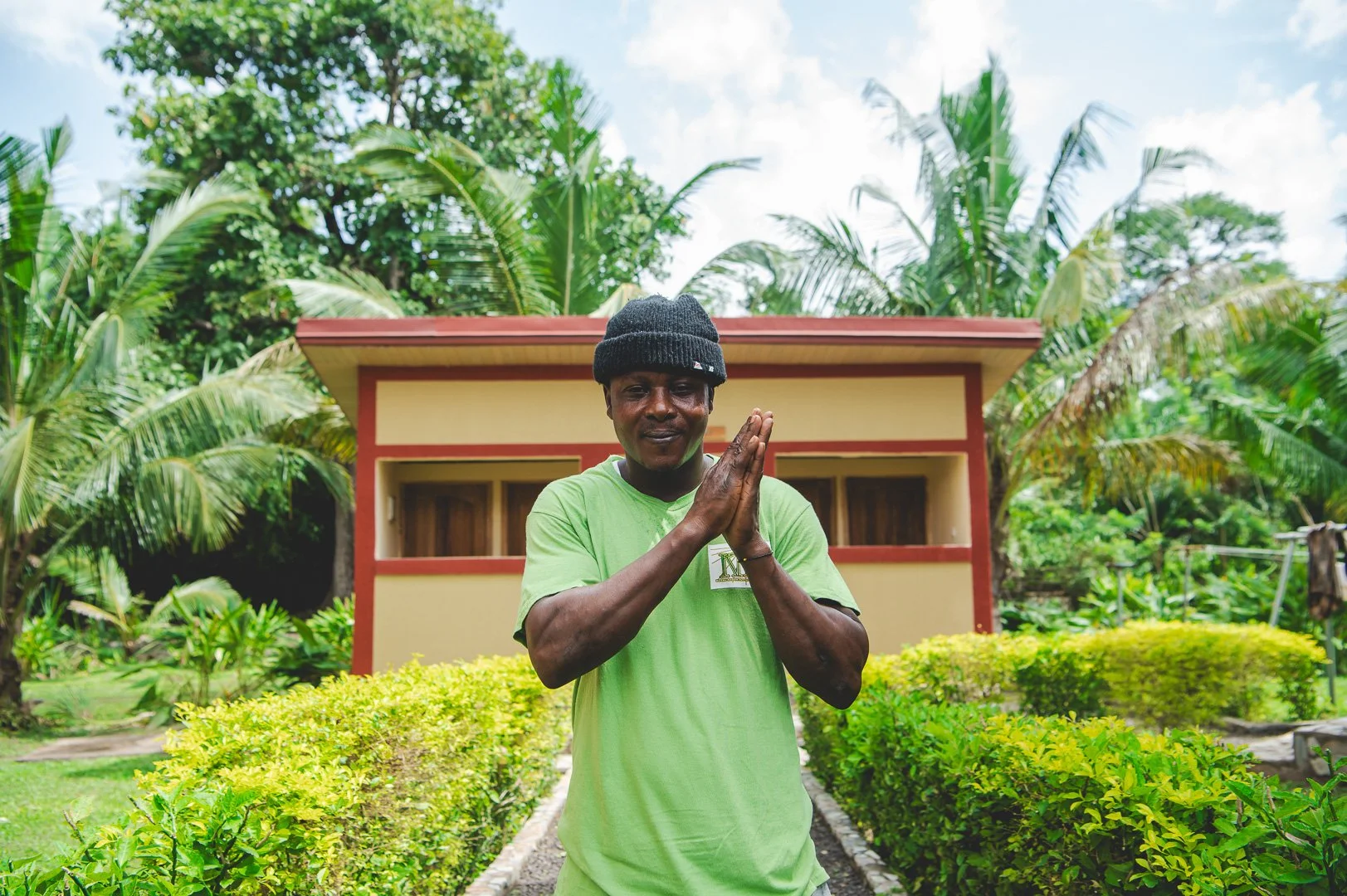
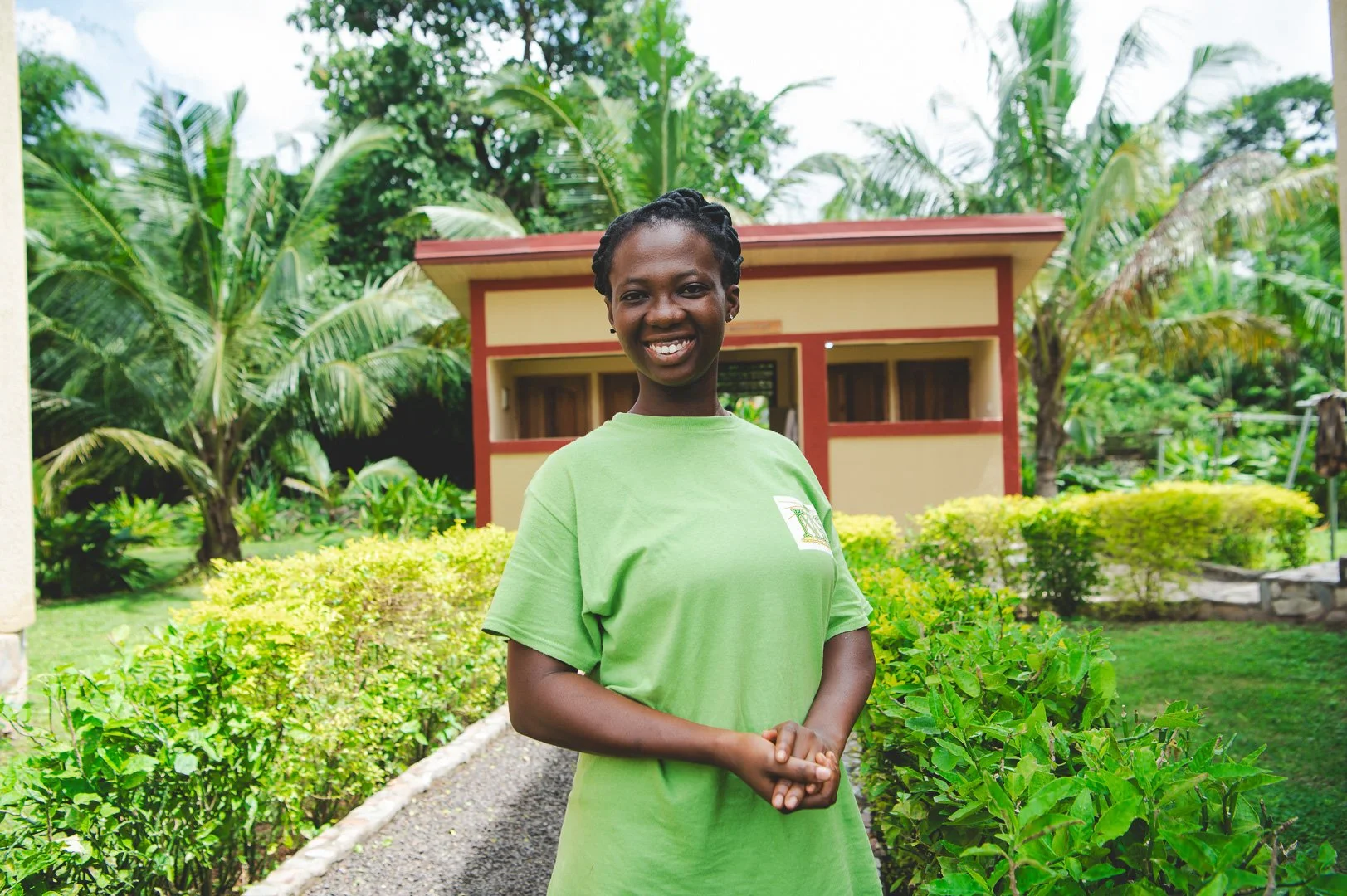
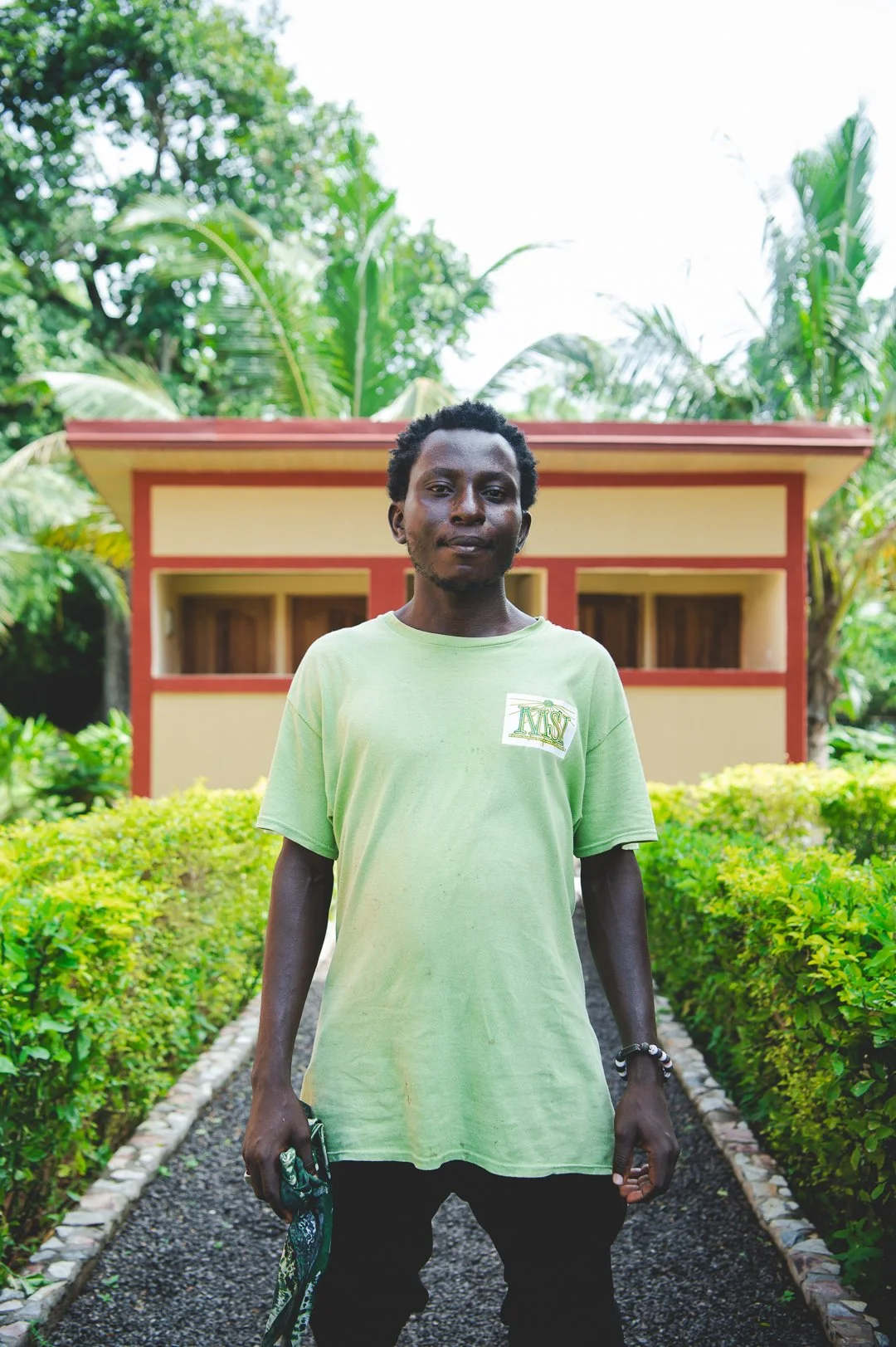
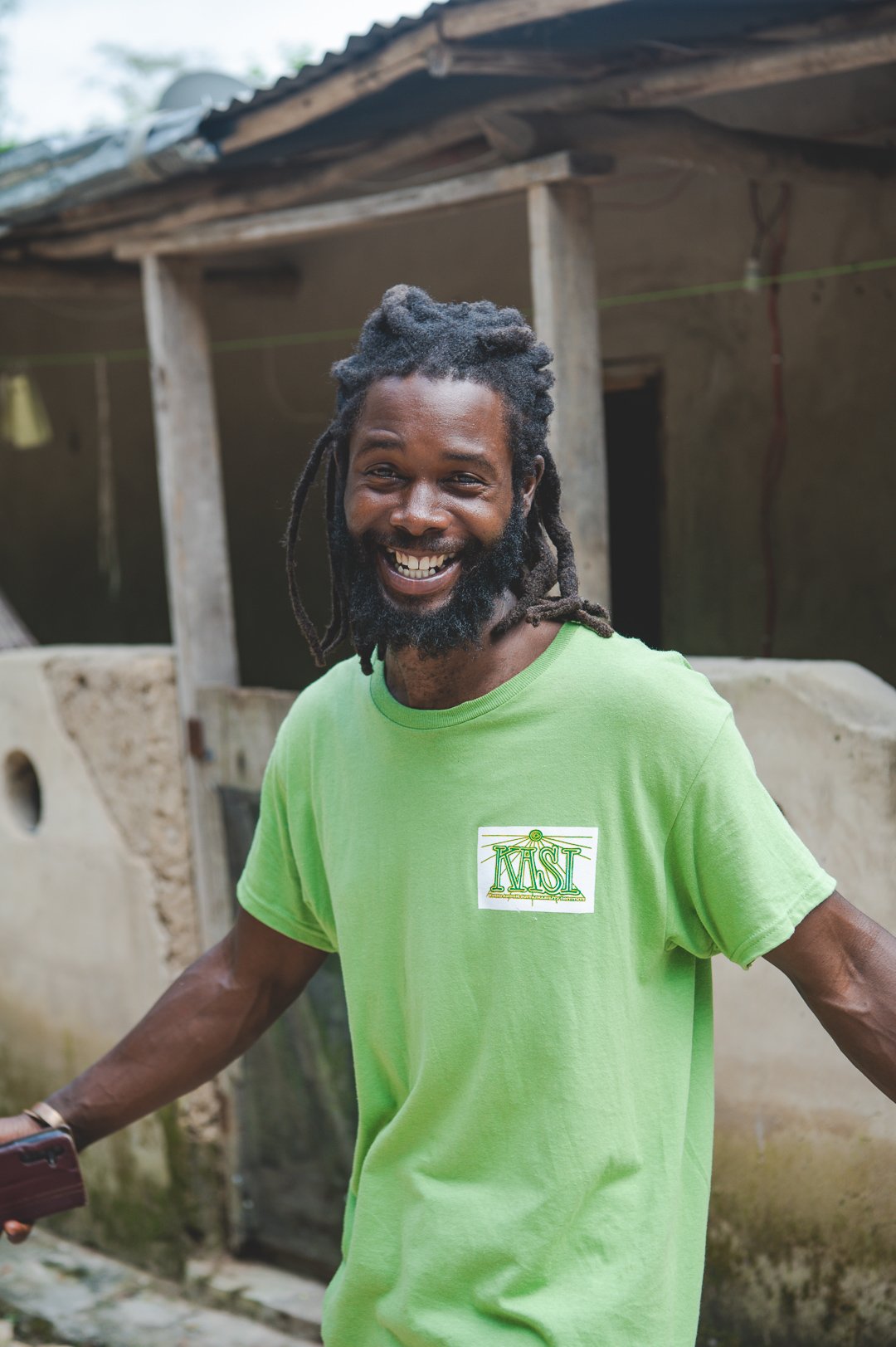
Enjoy these gorgeous photos of local staff and Liati Wote community members who make KASI possible:
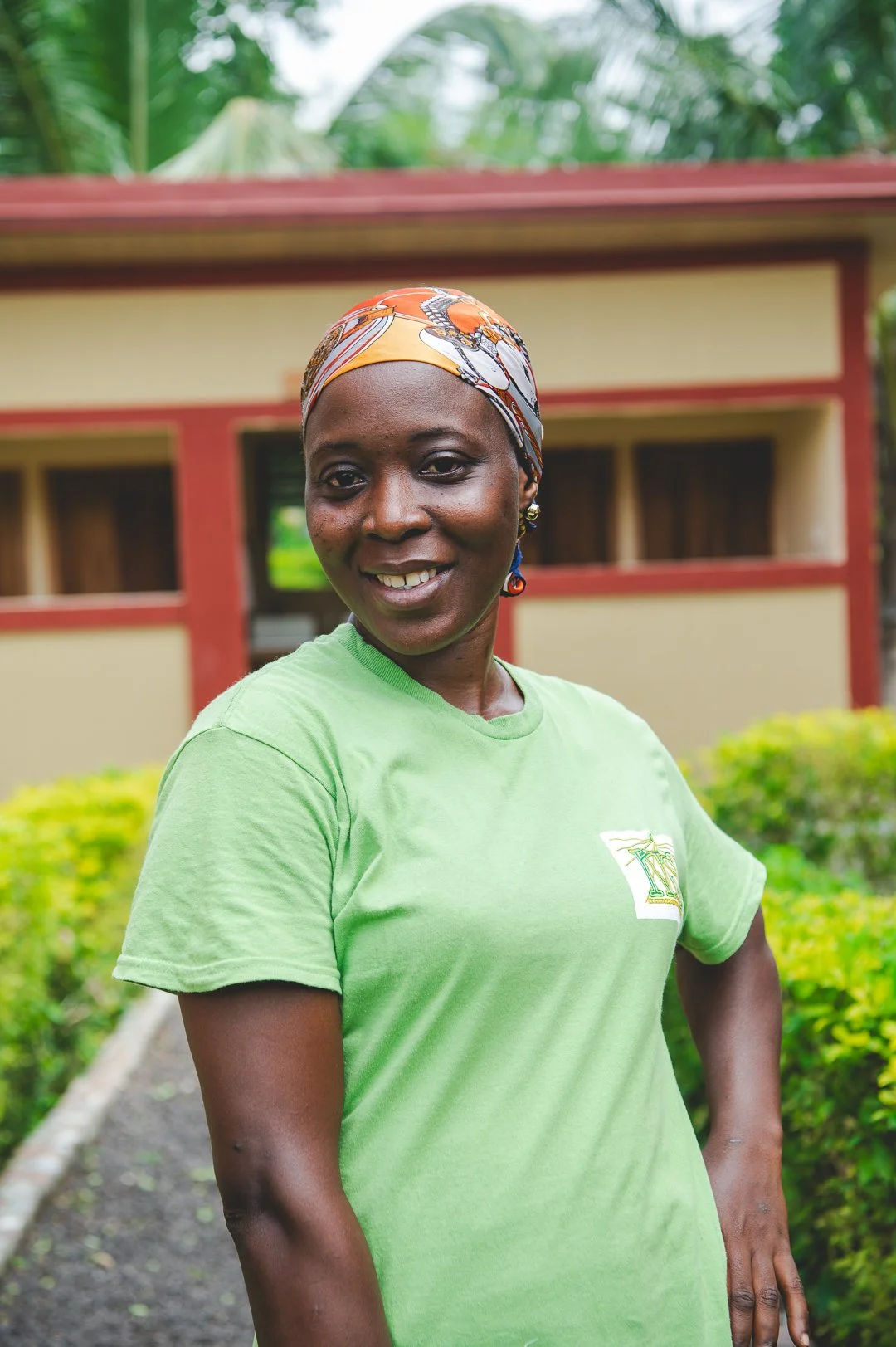
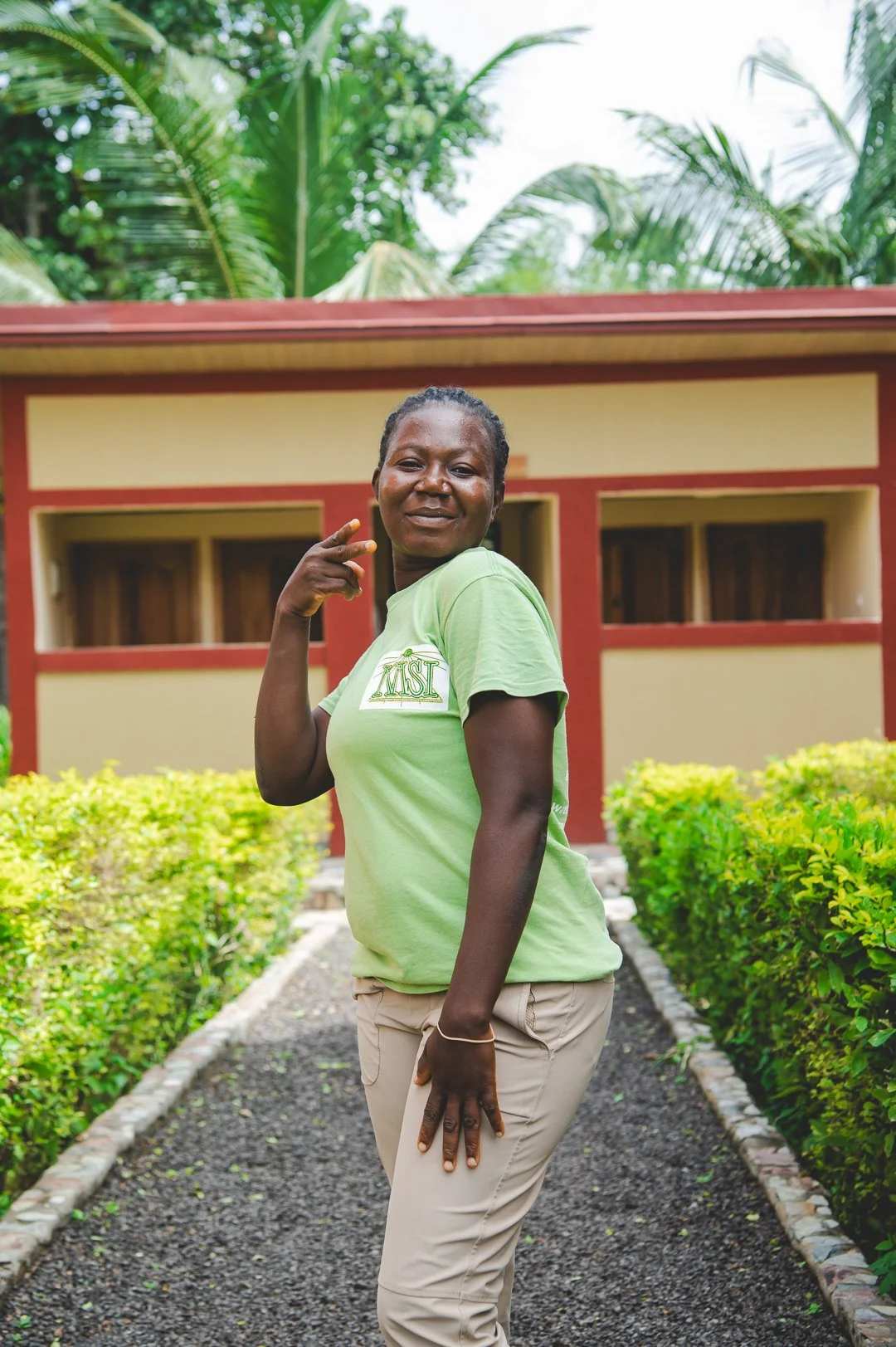
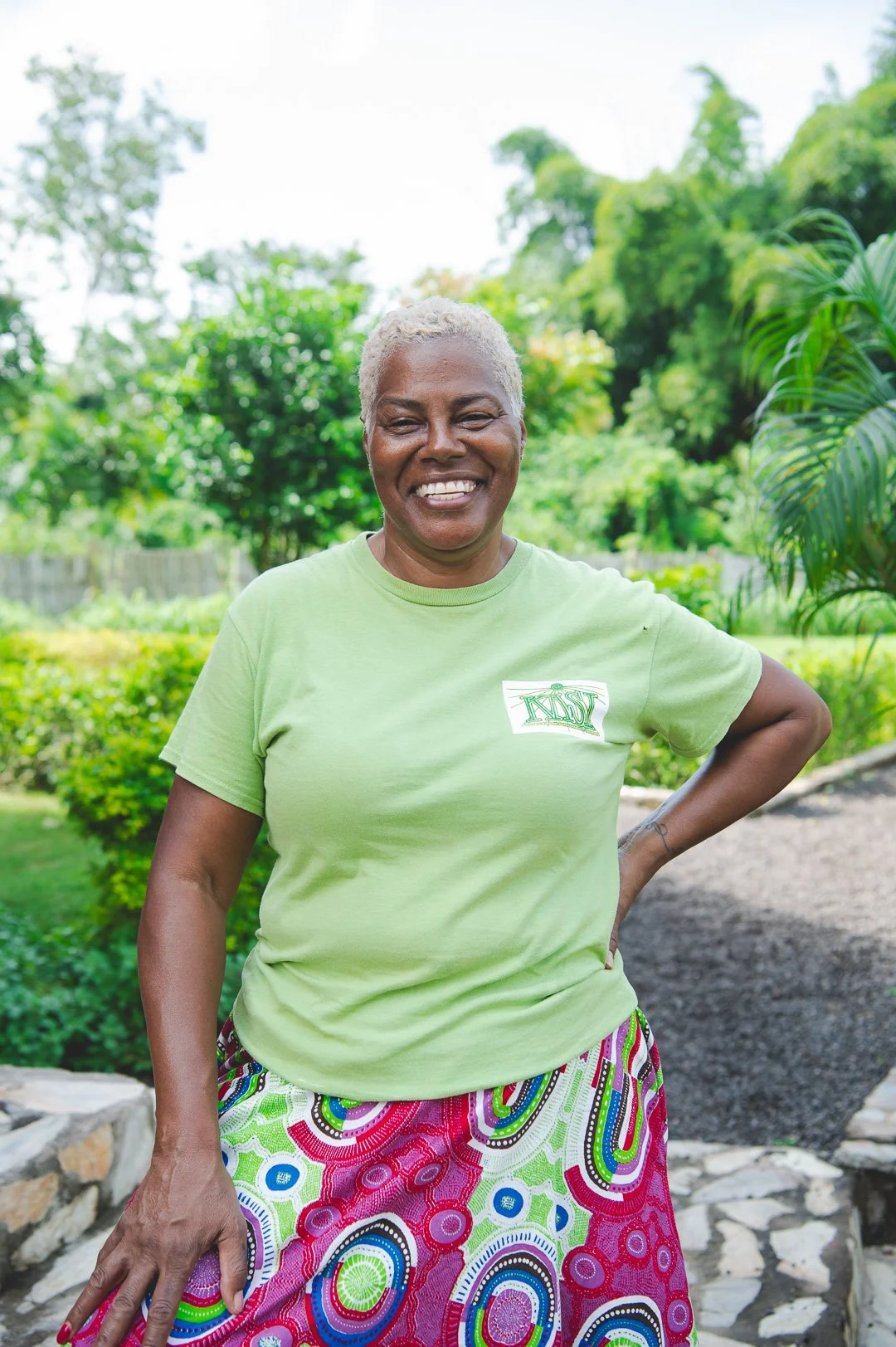
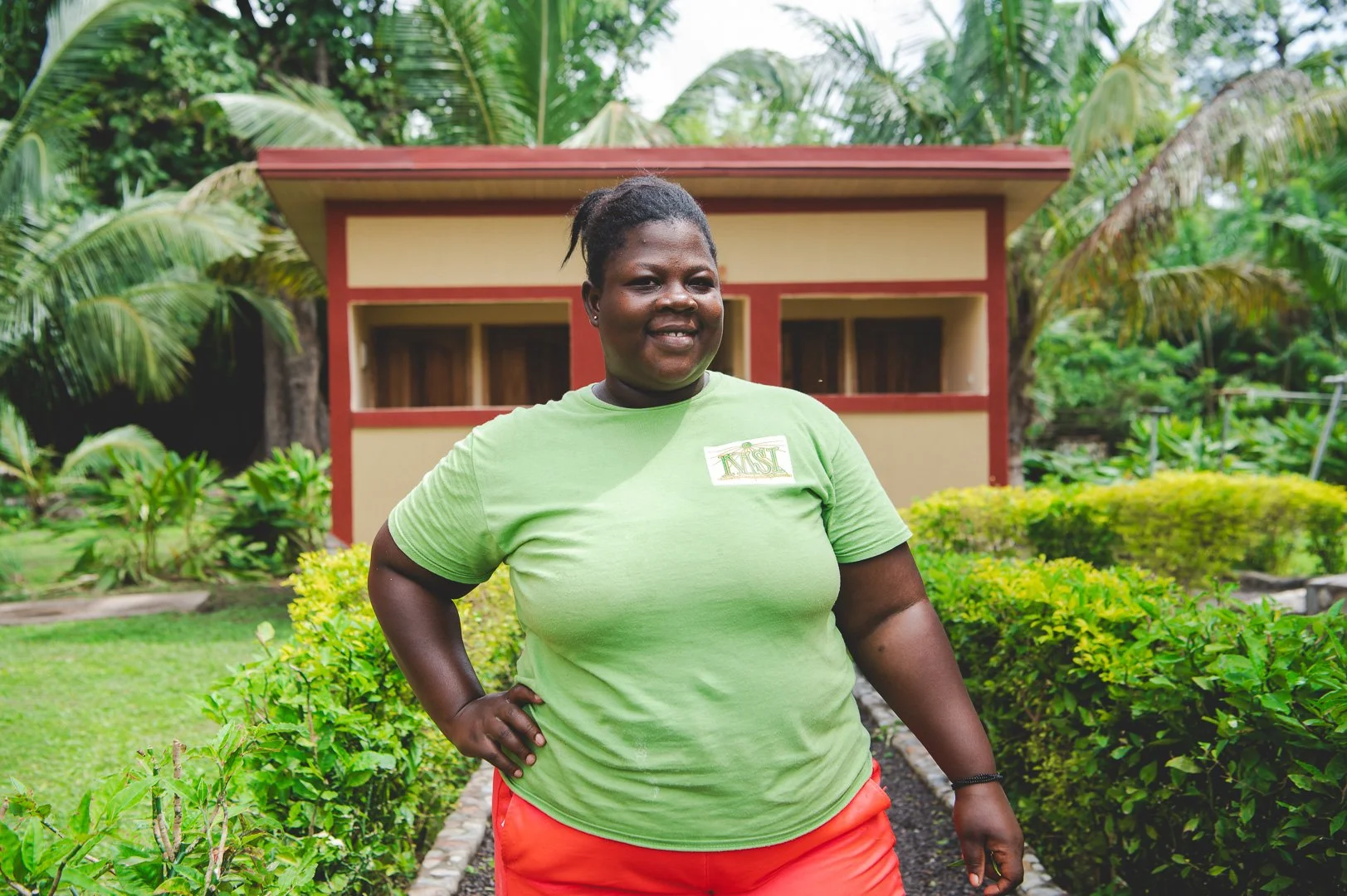
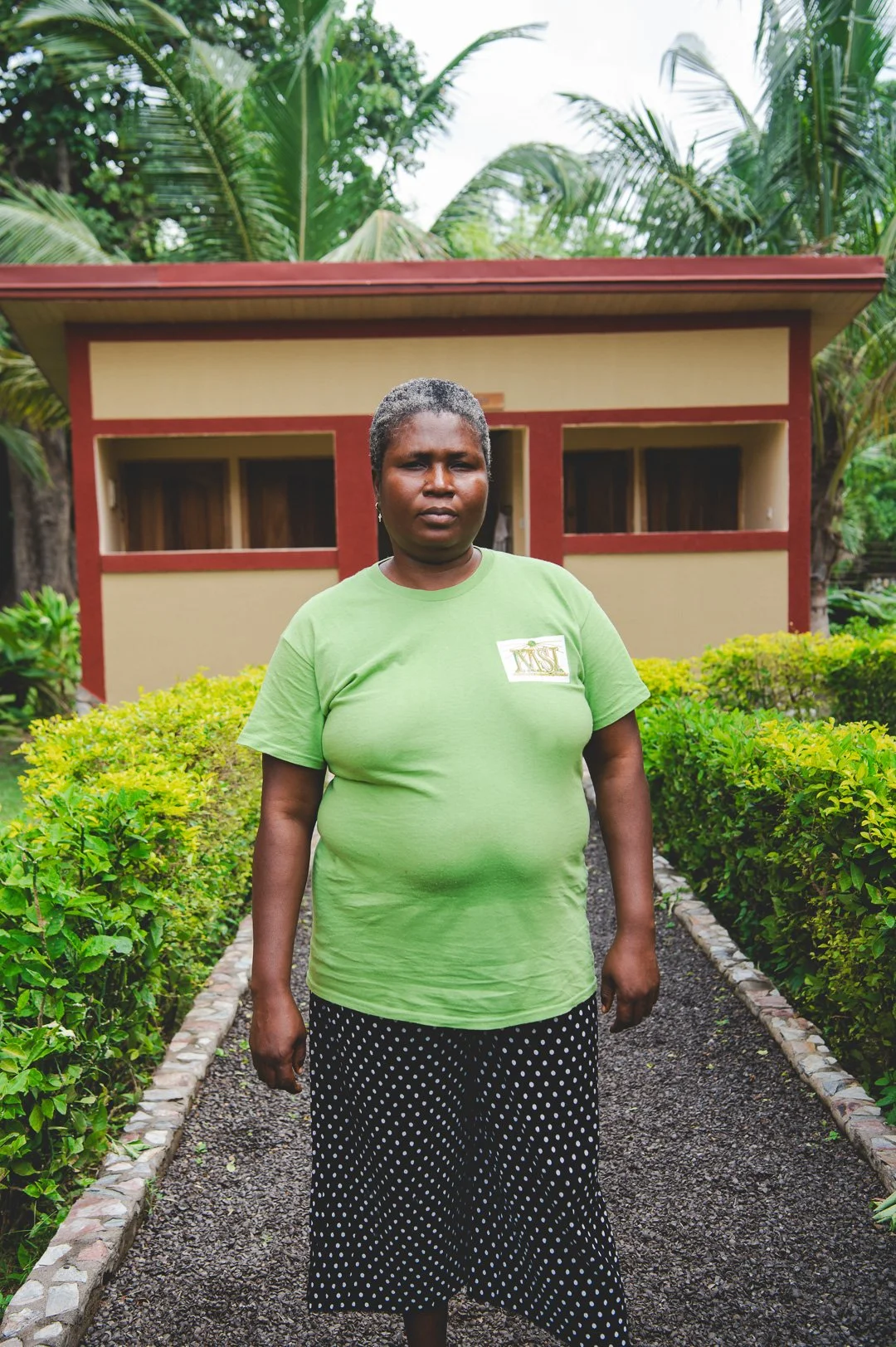
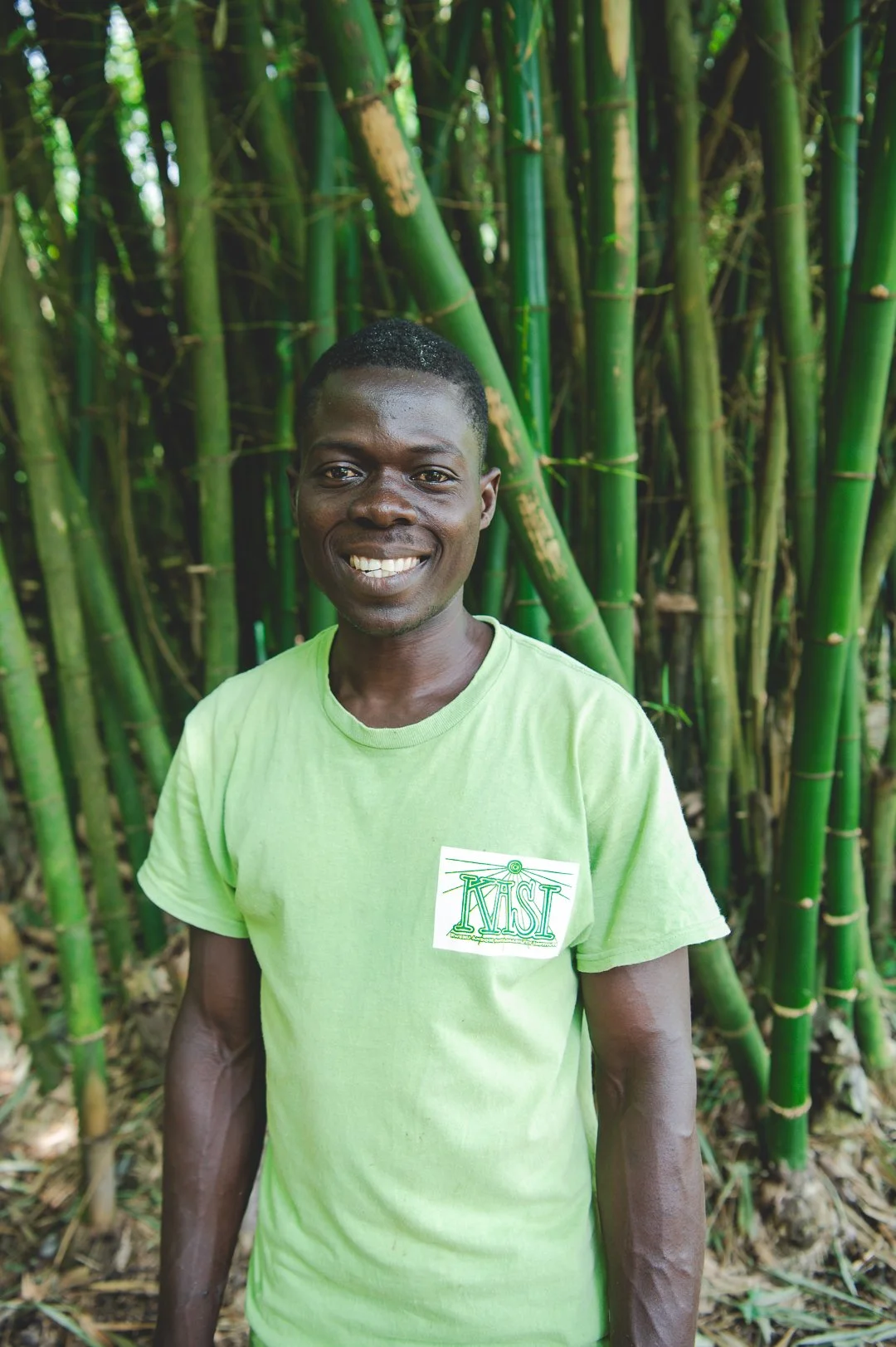
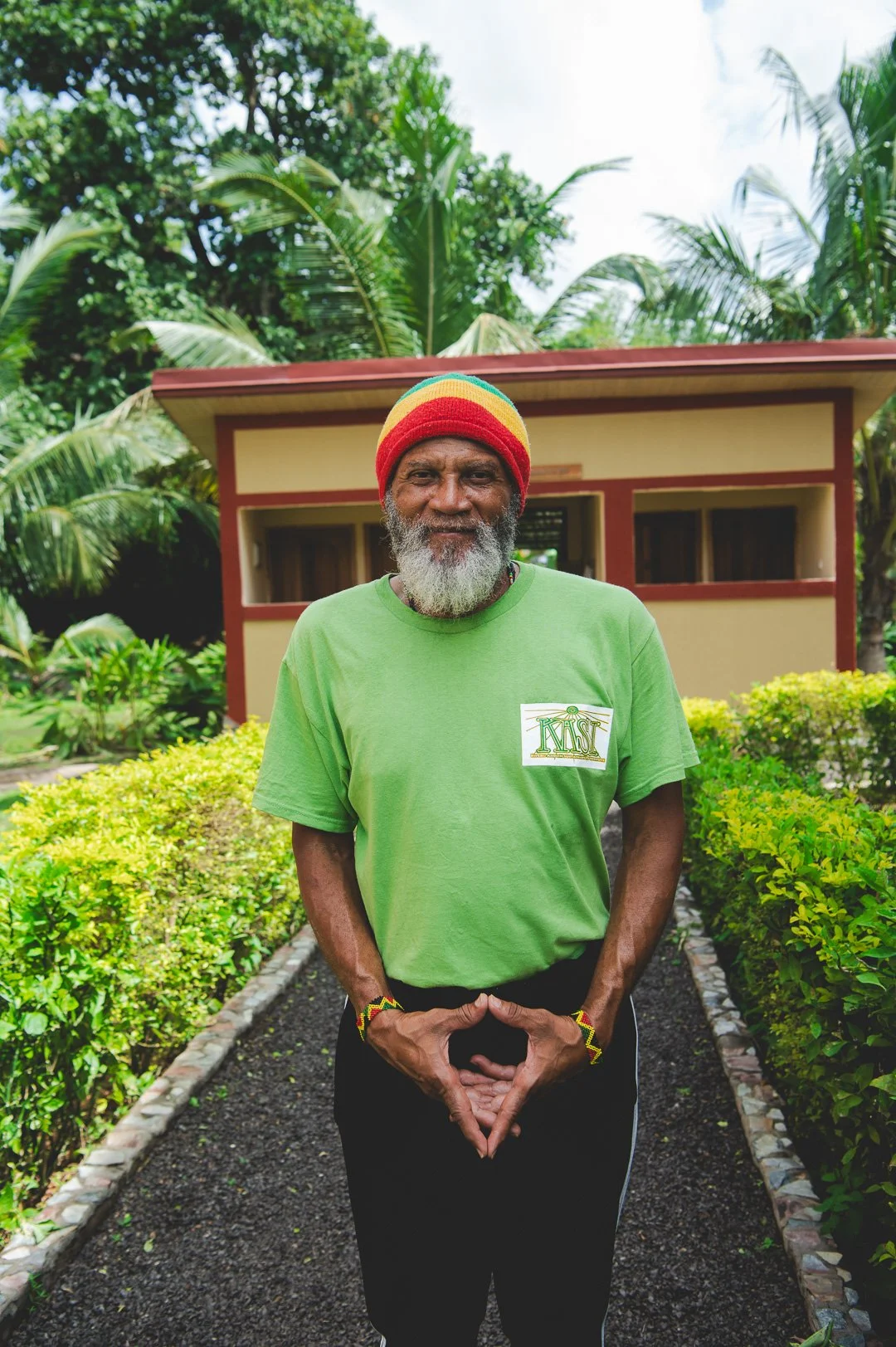
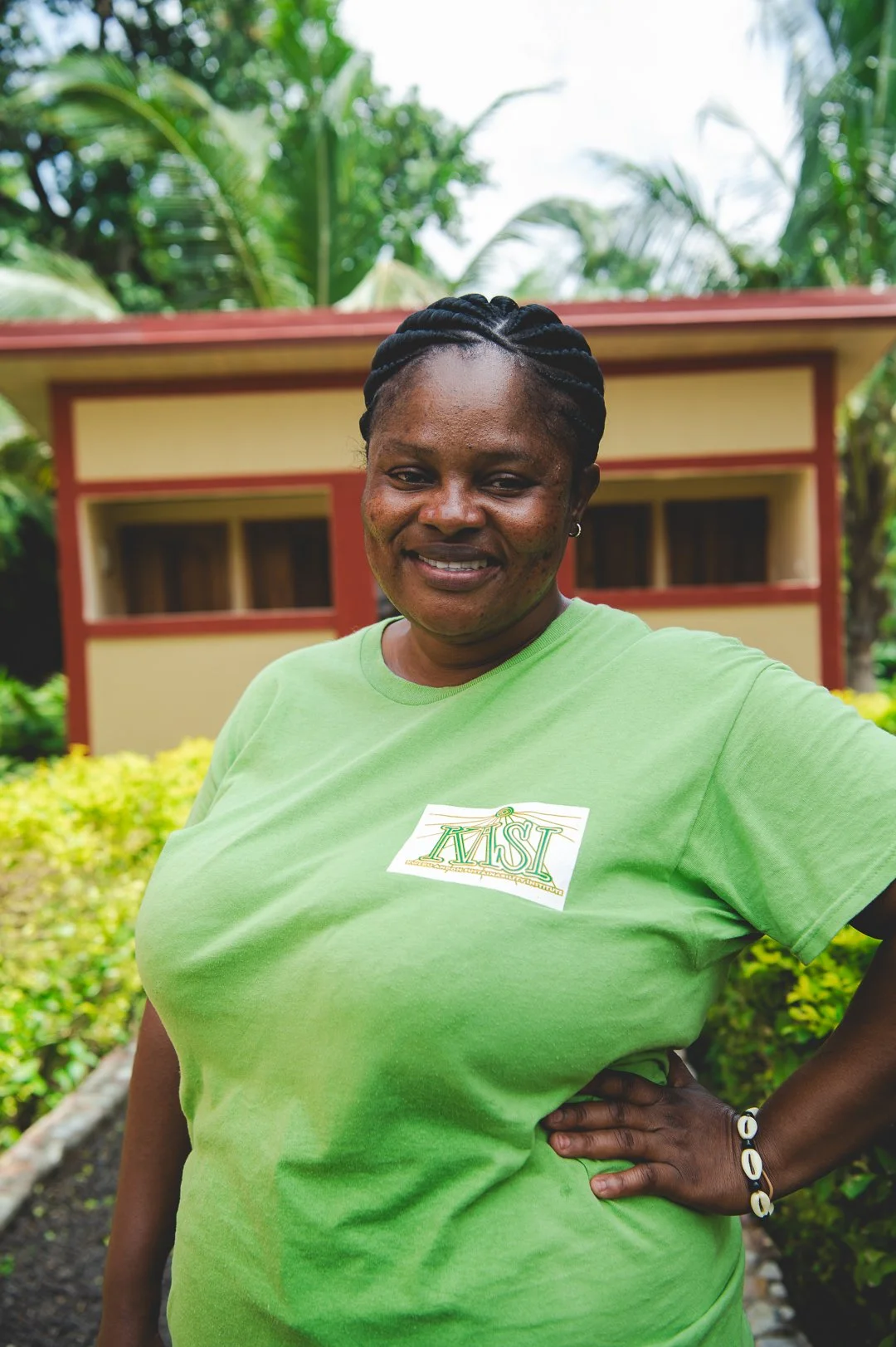
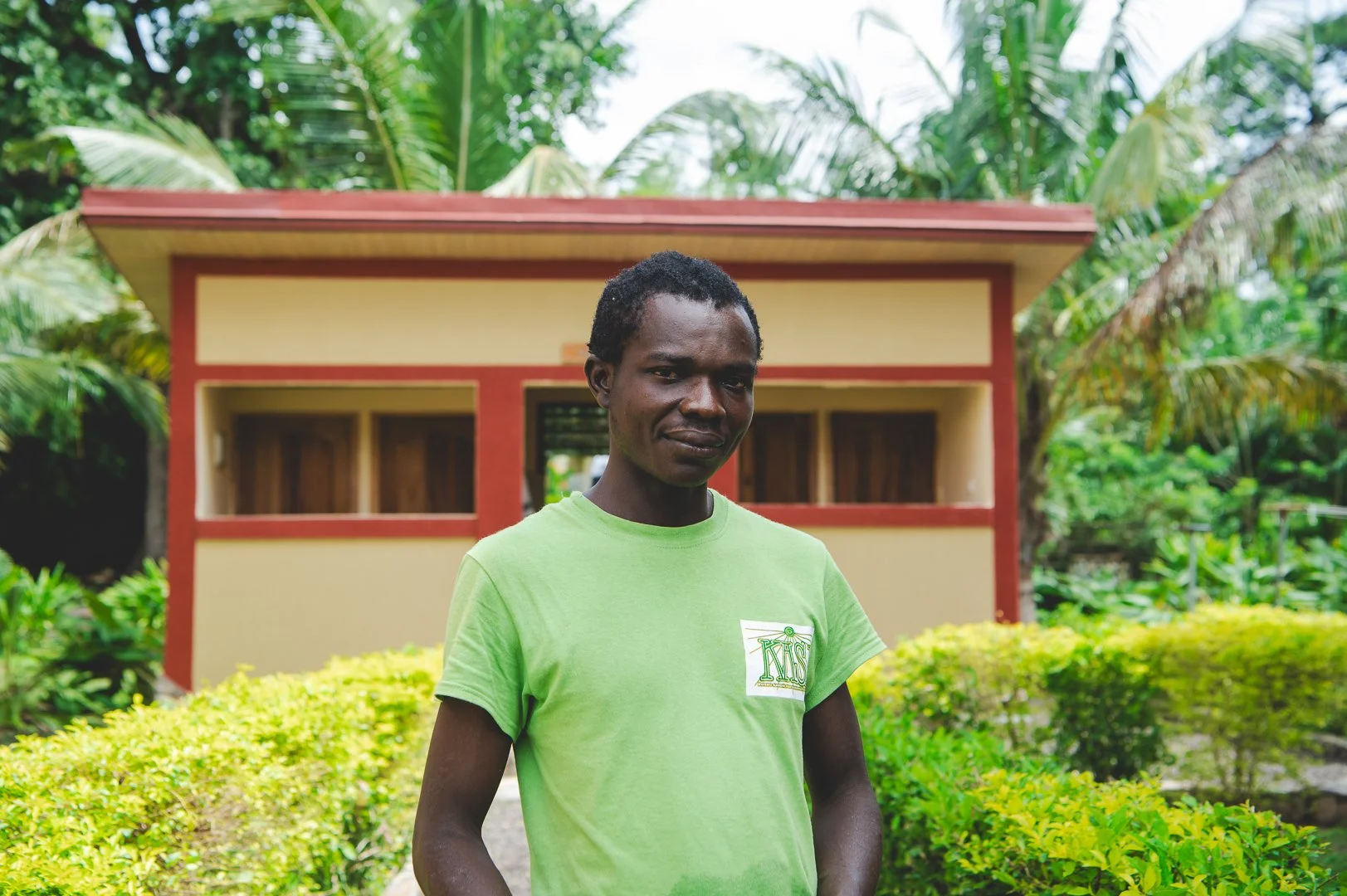
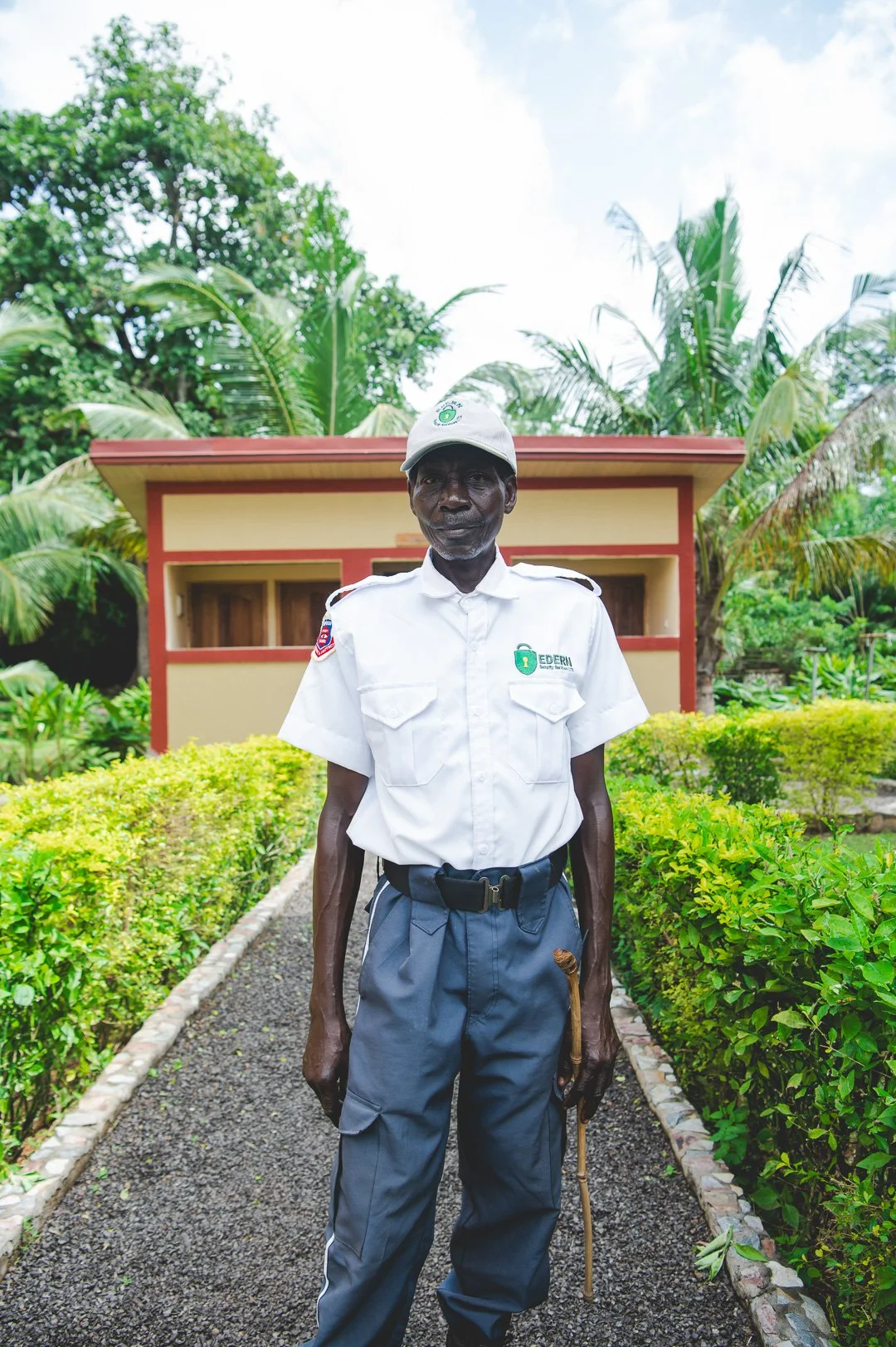
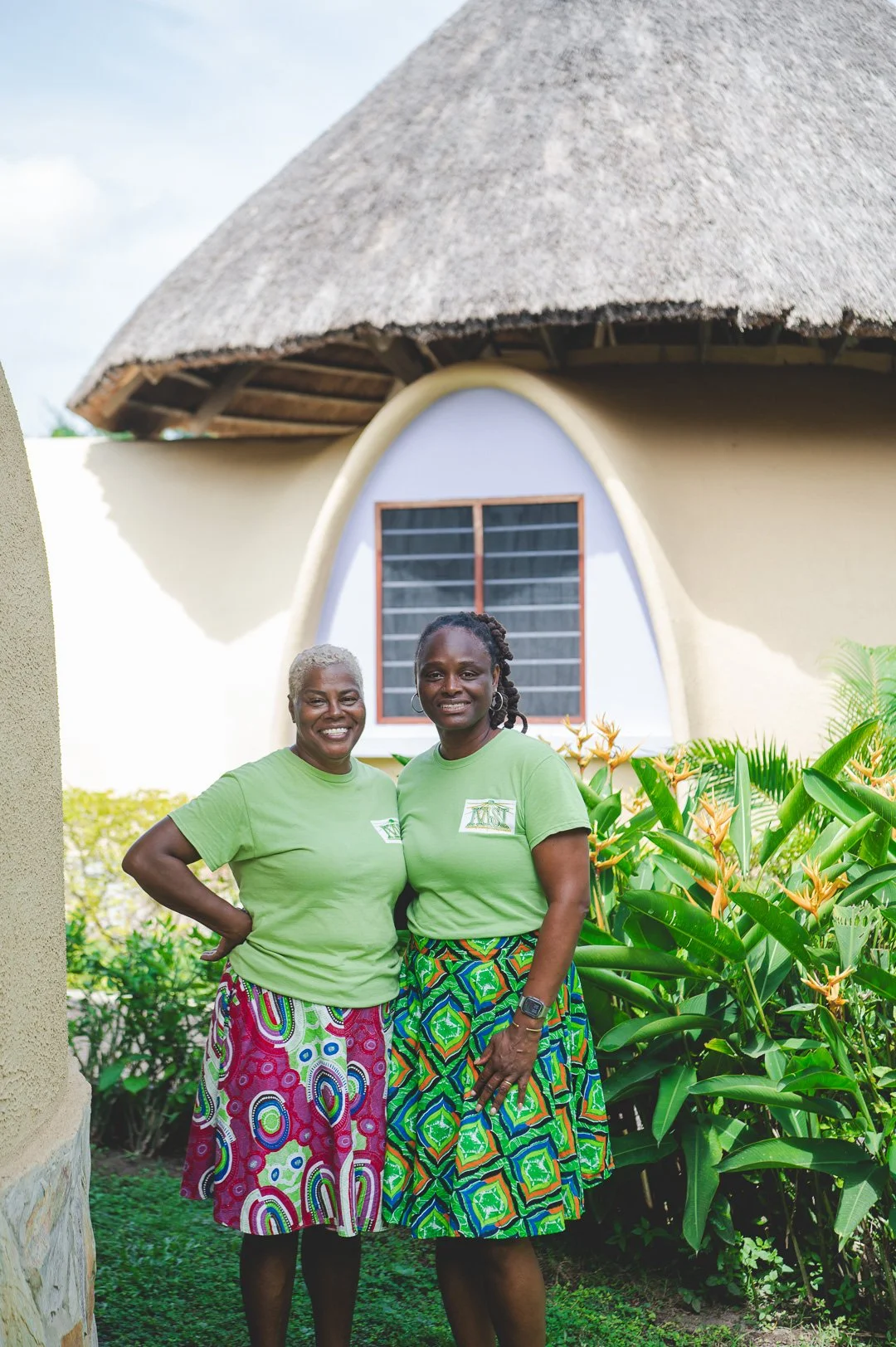
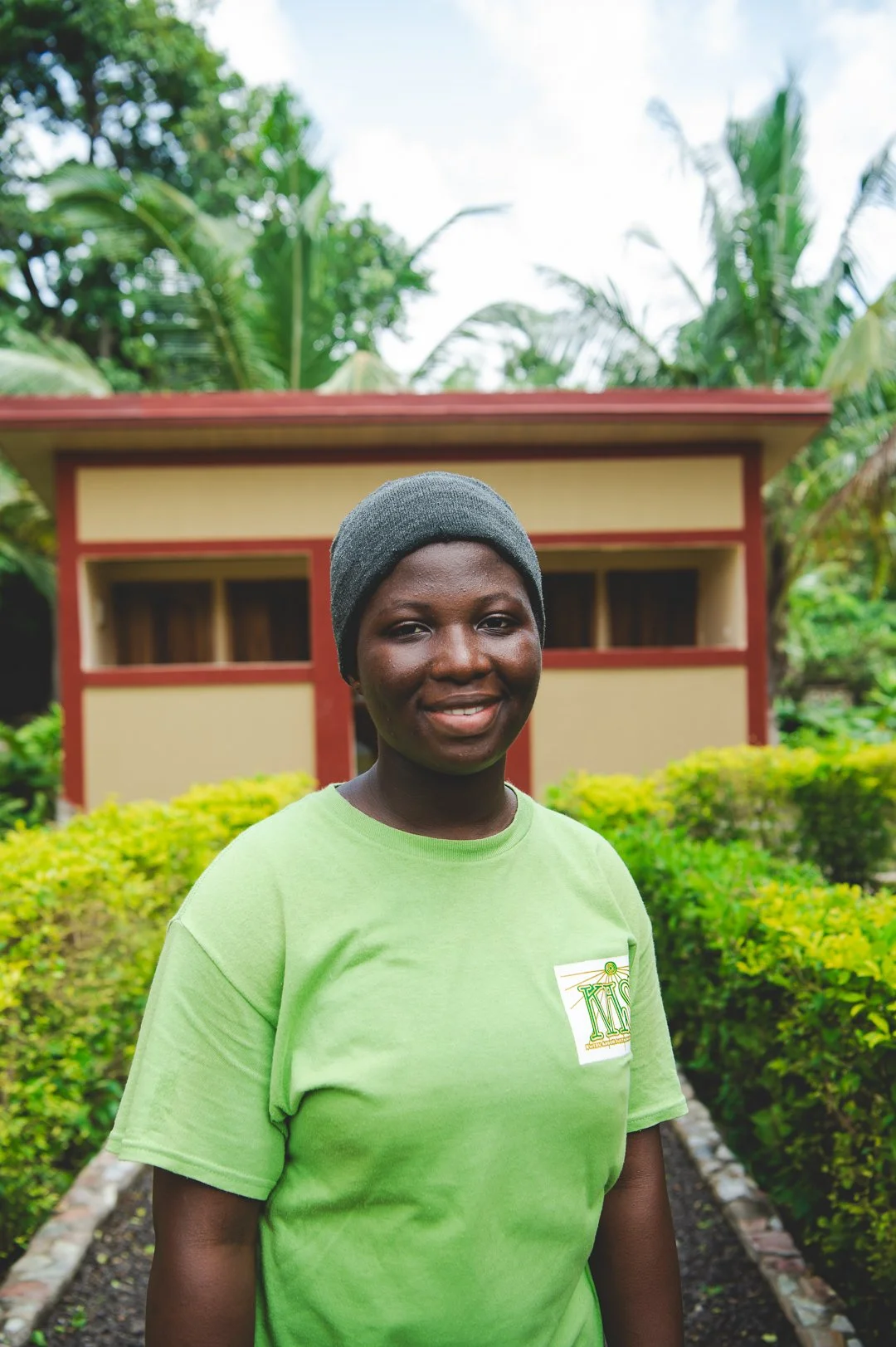
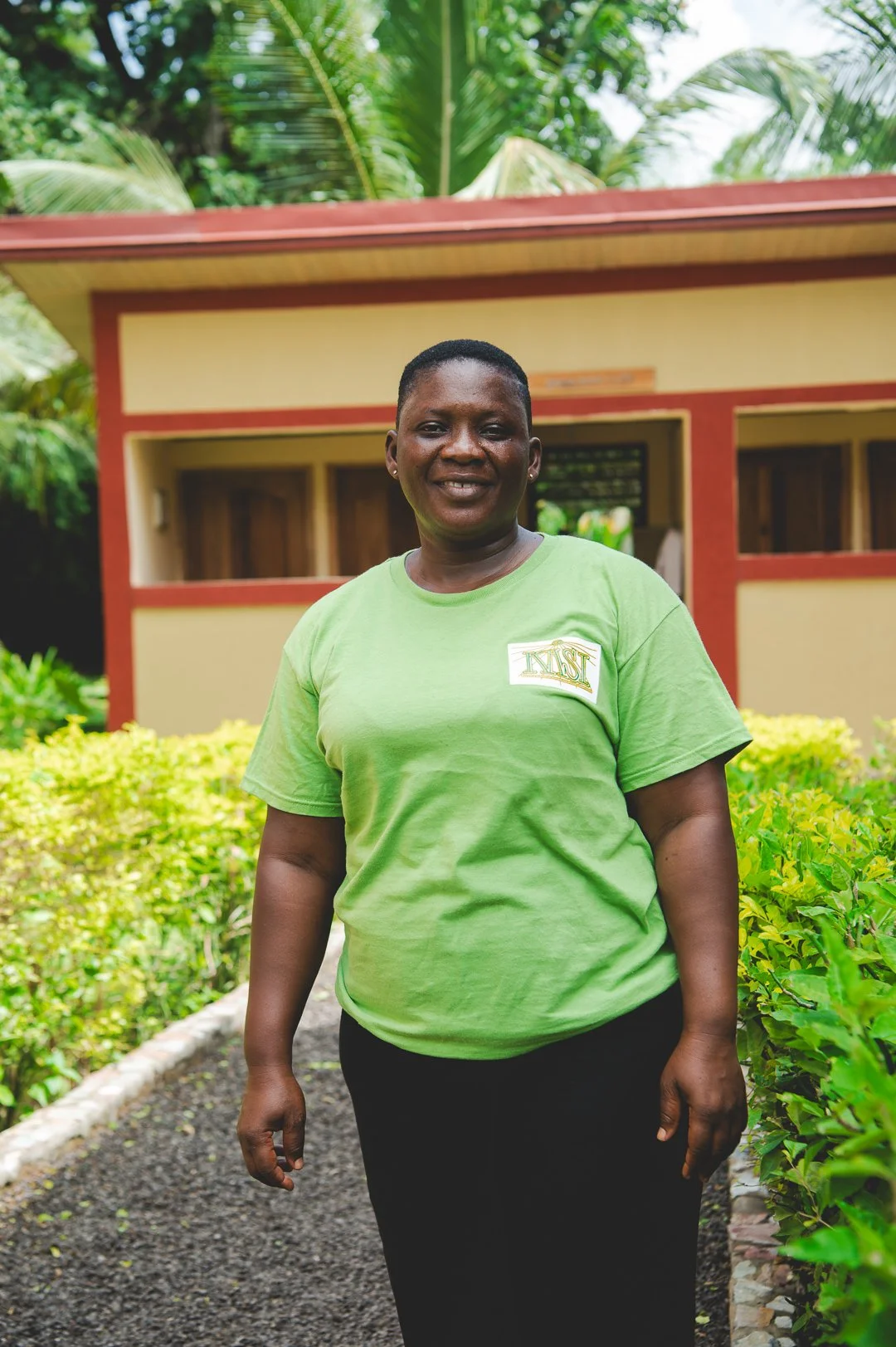
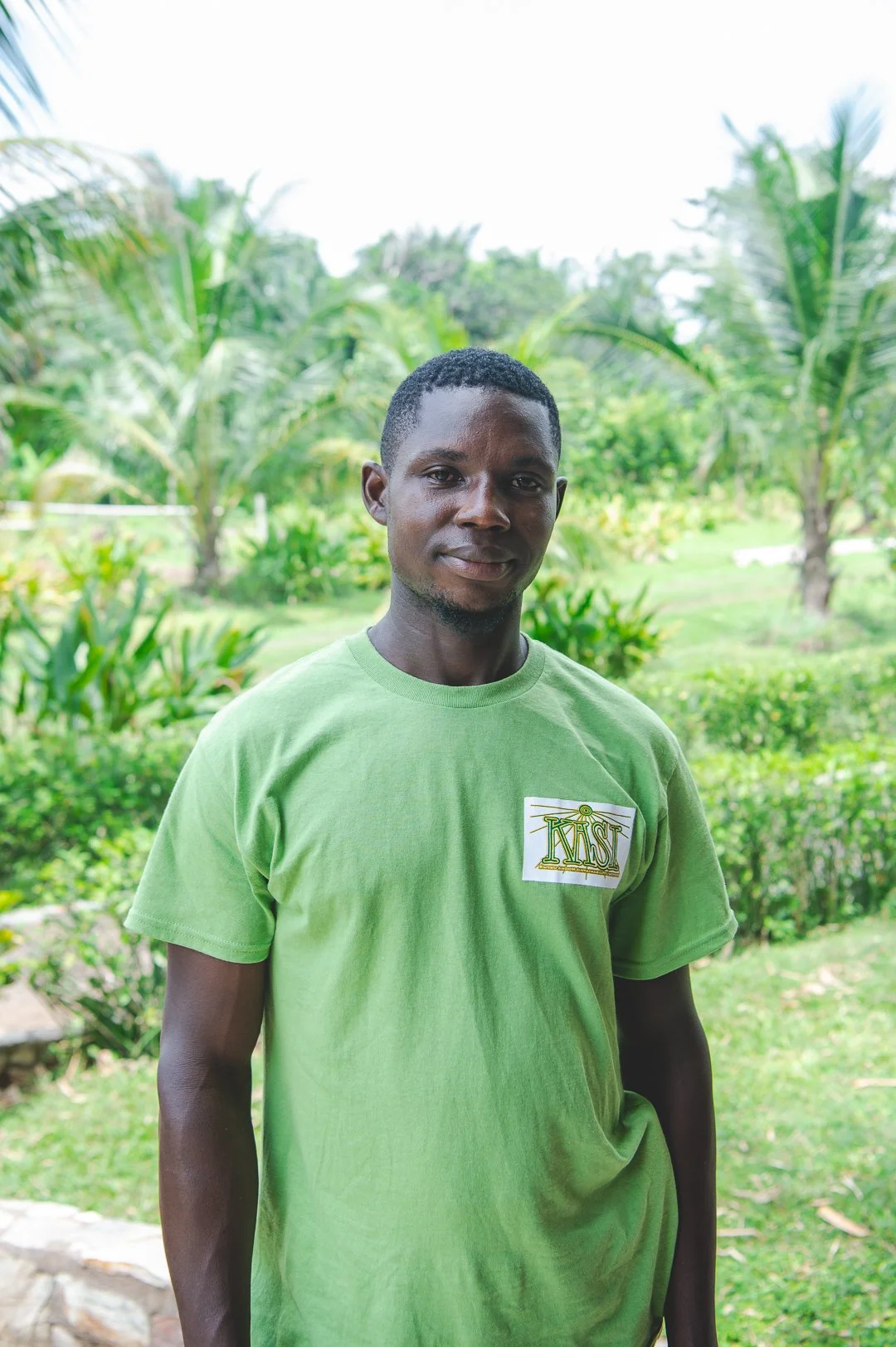
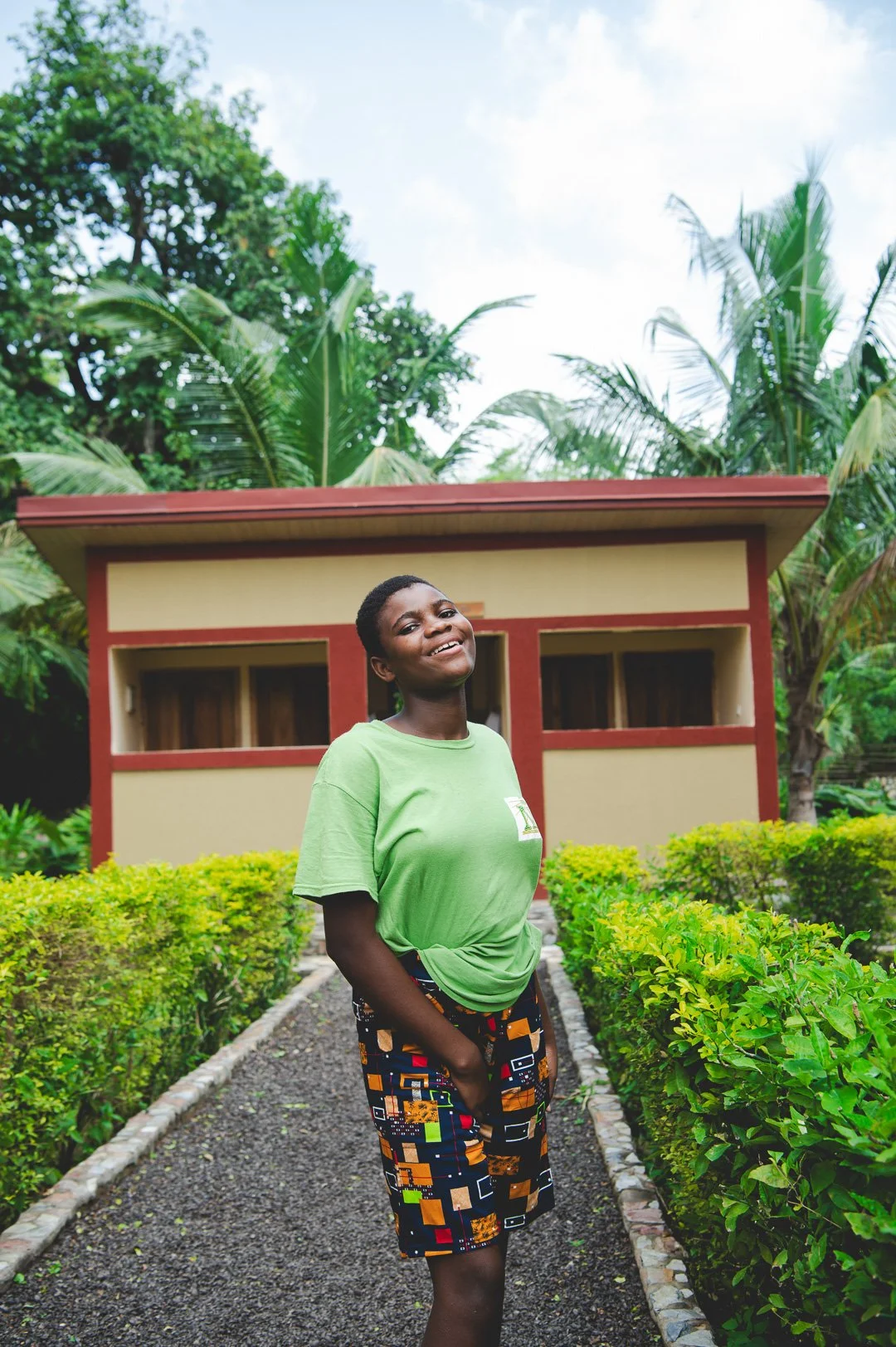
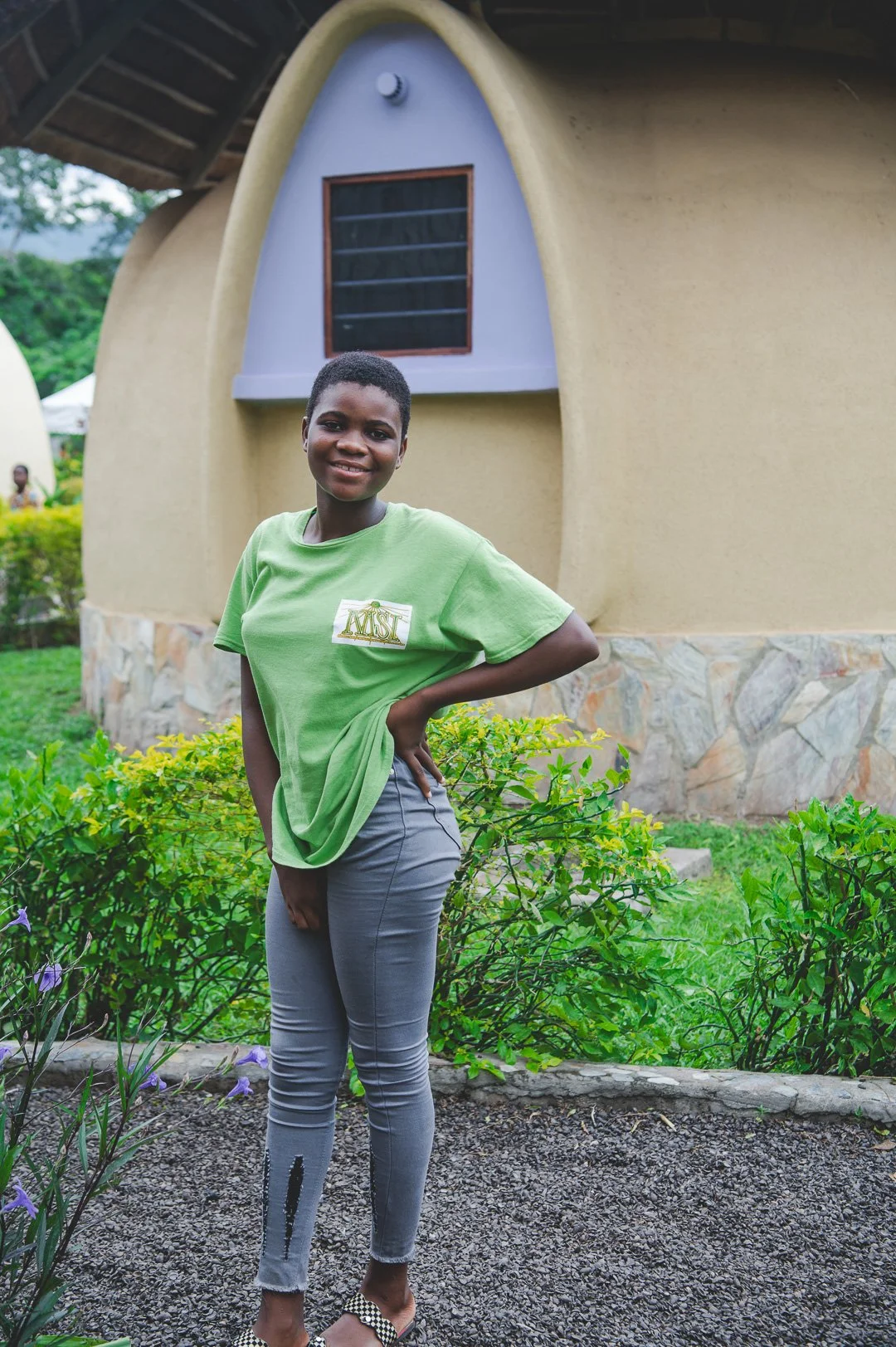

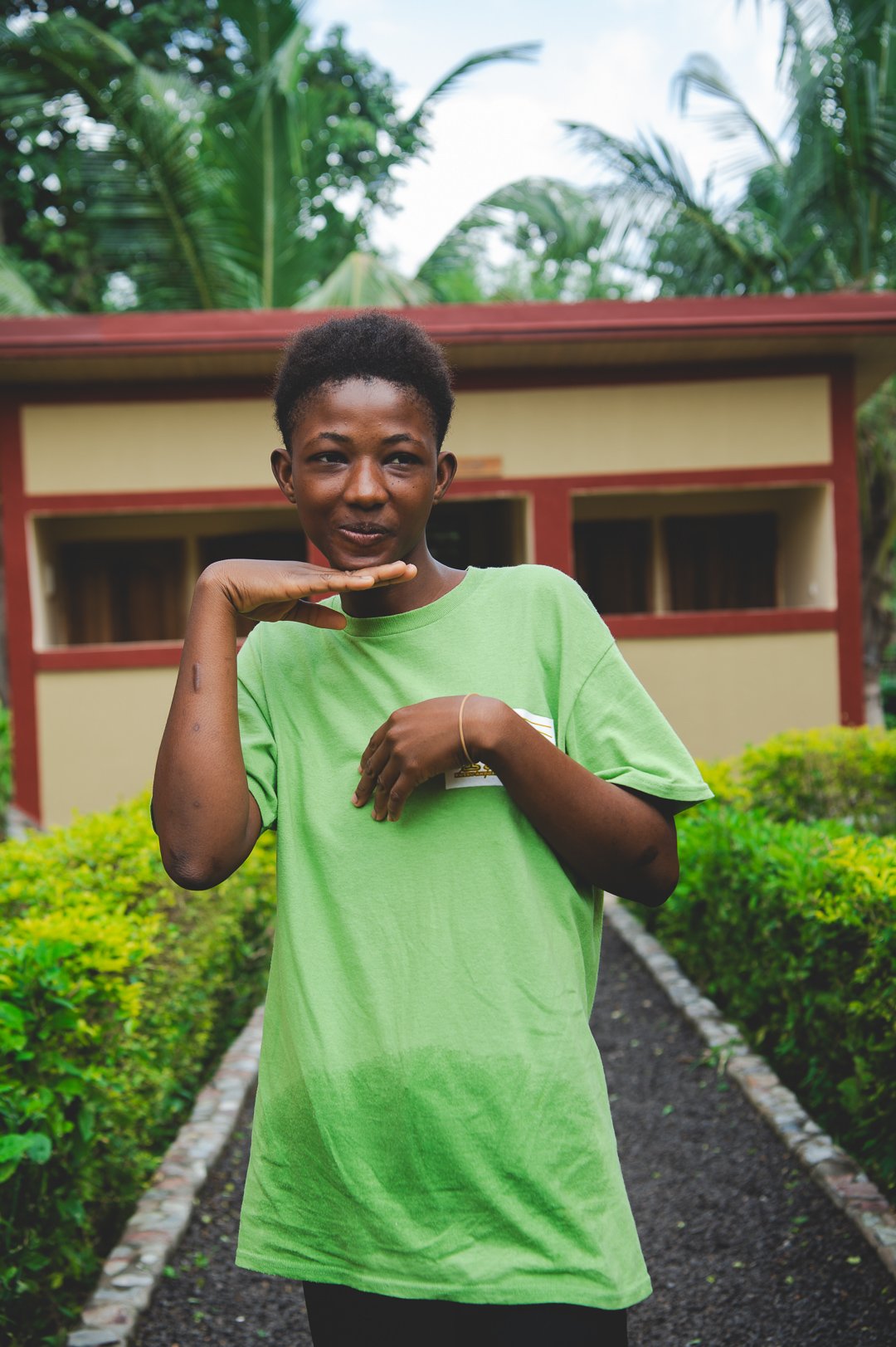
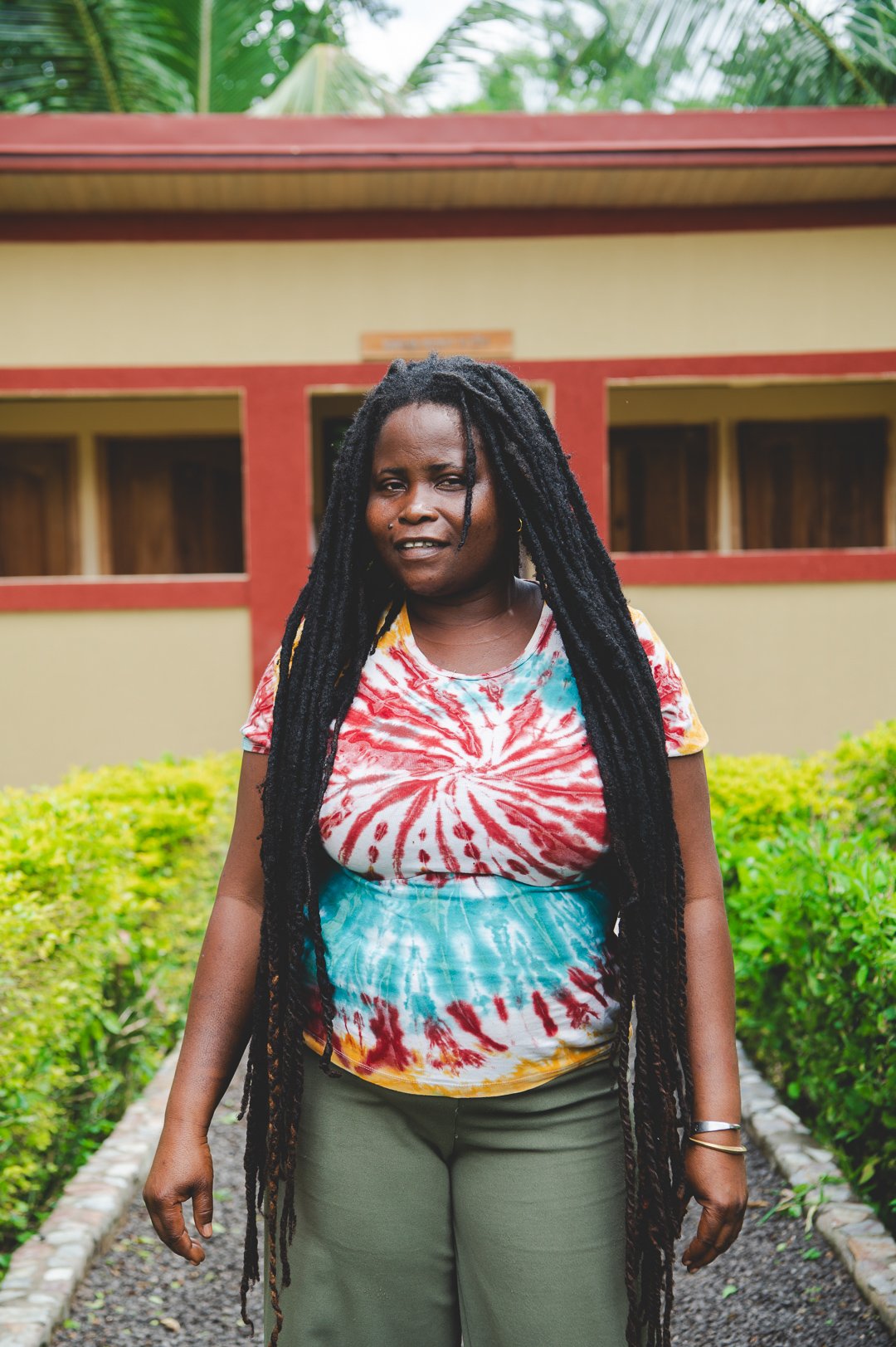
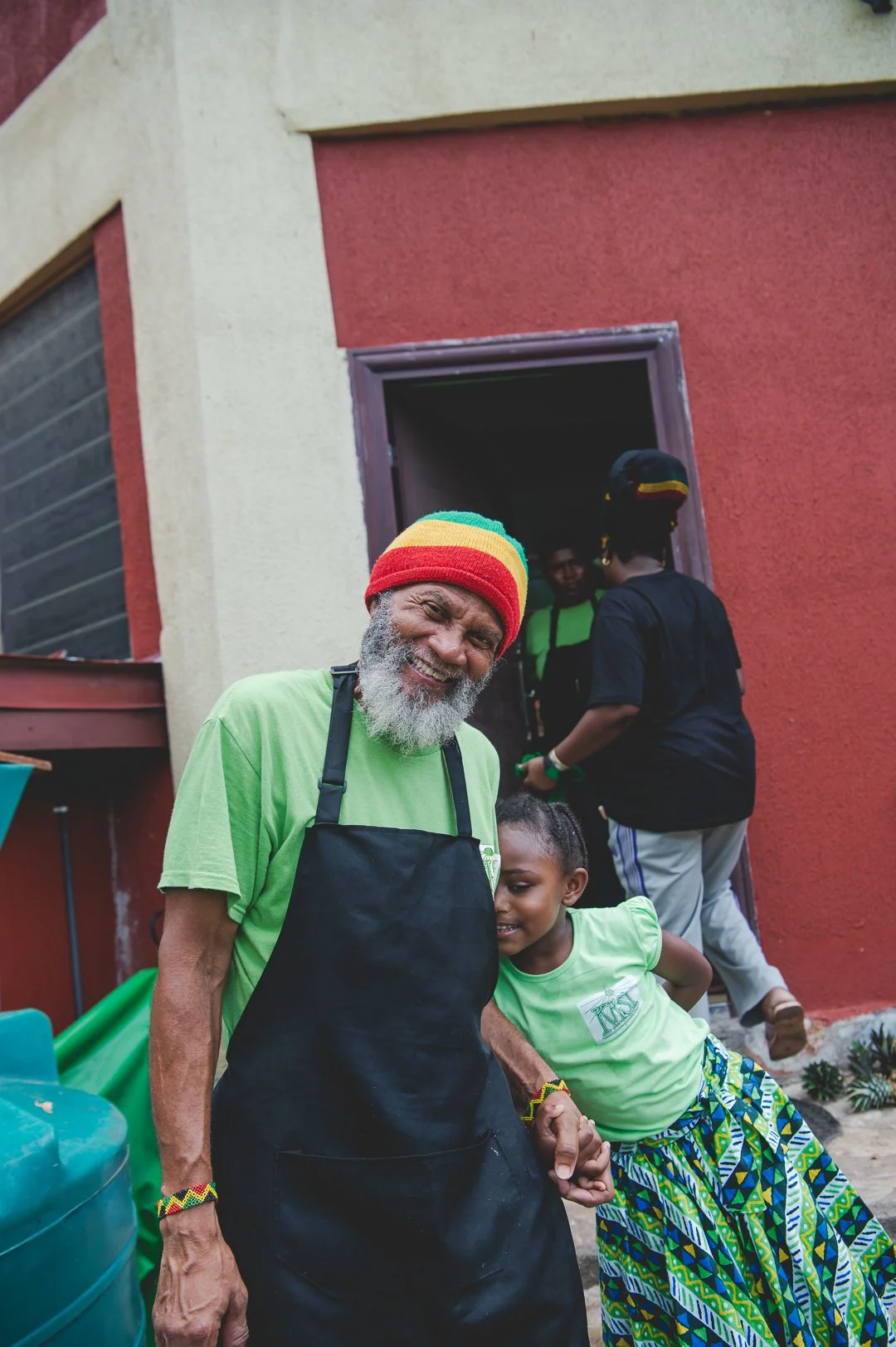
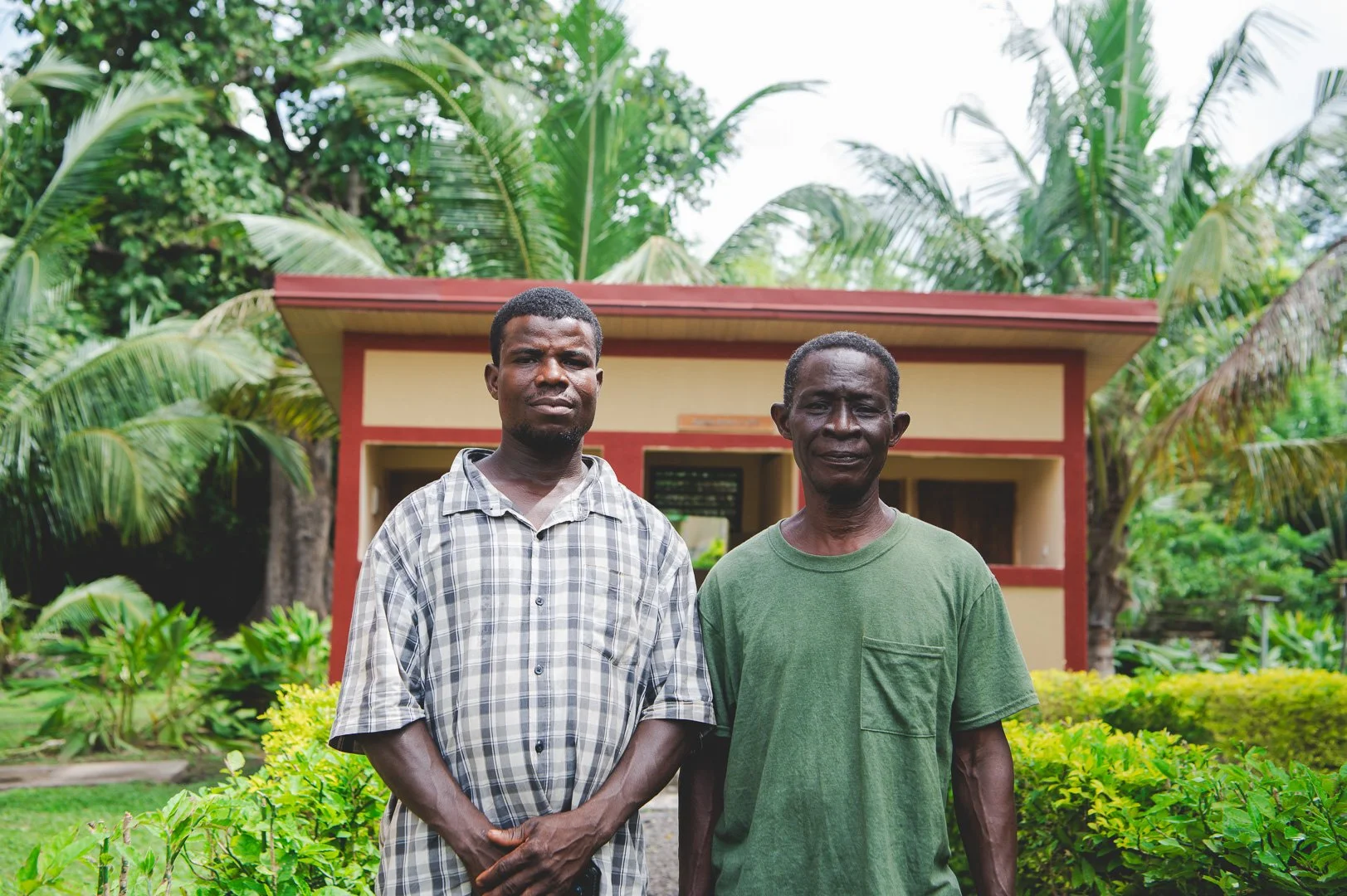
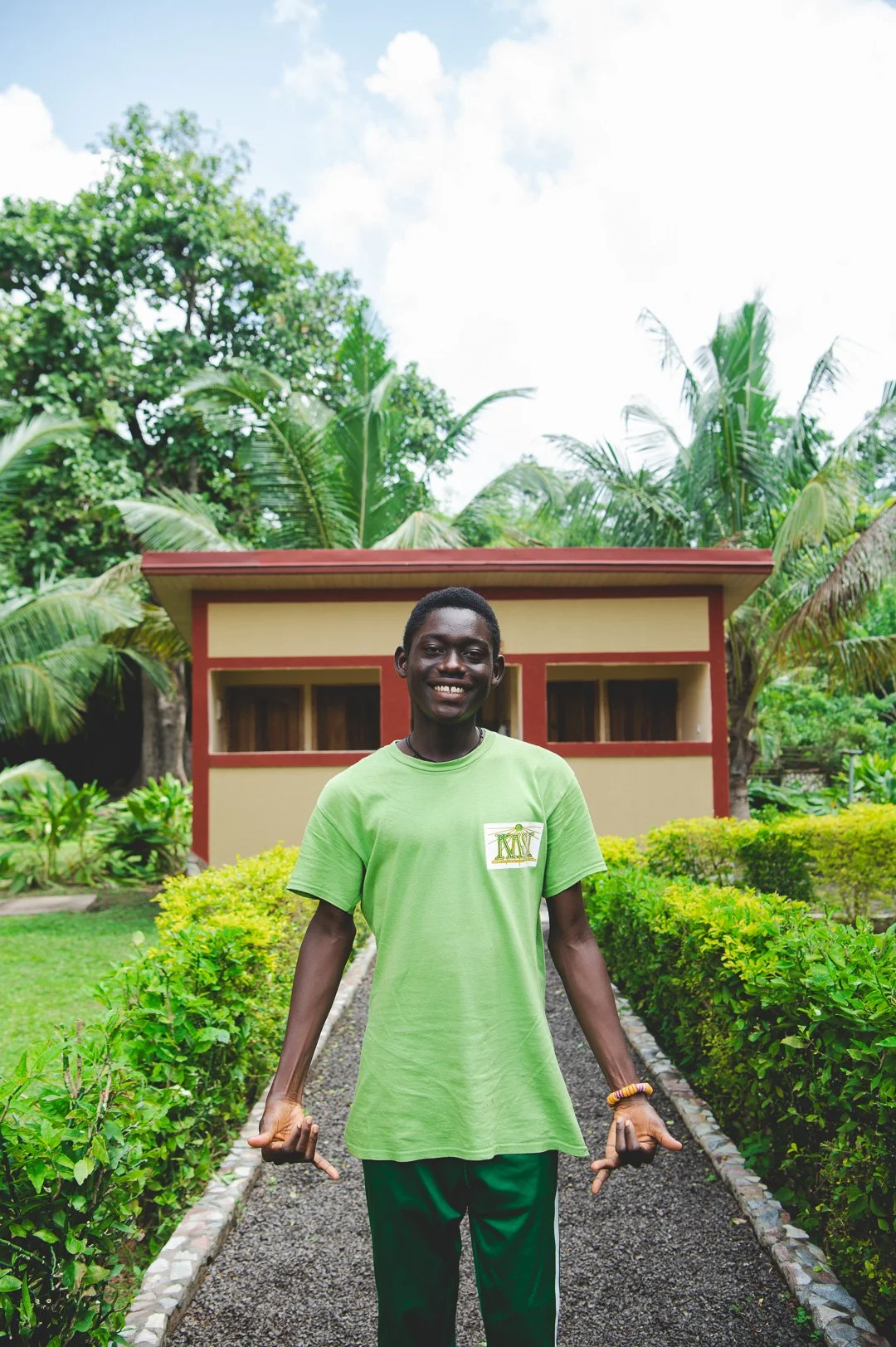
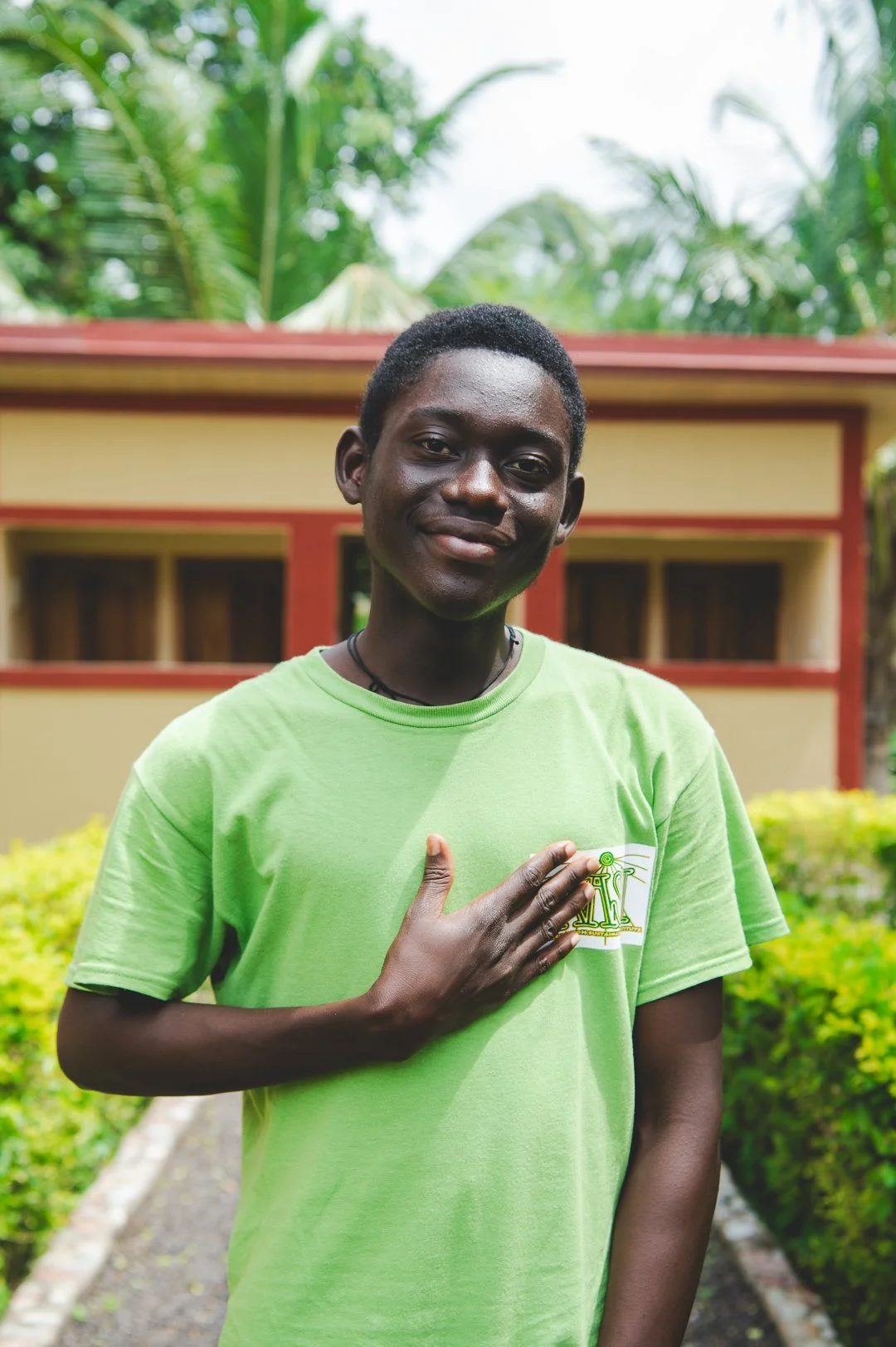
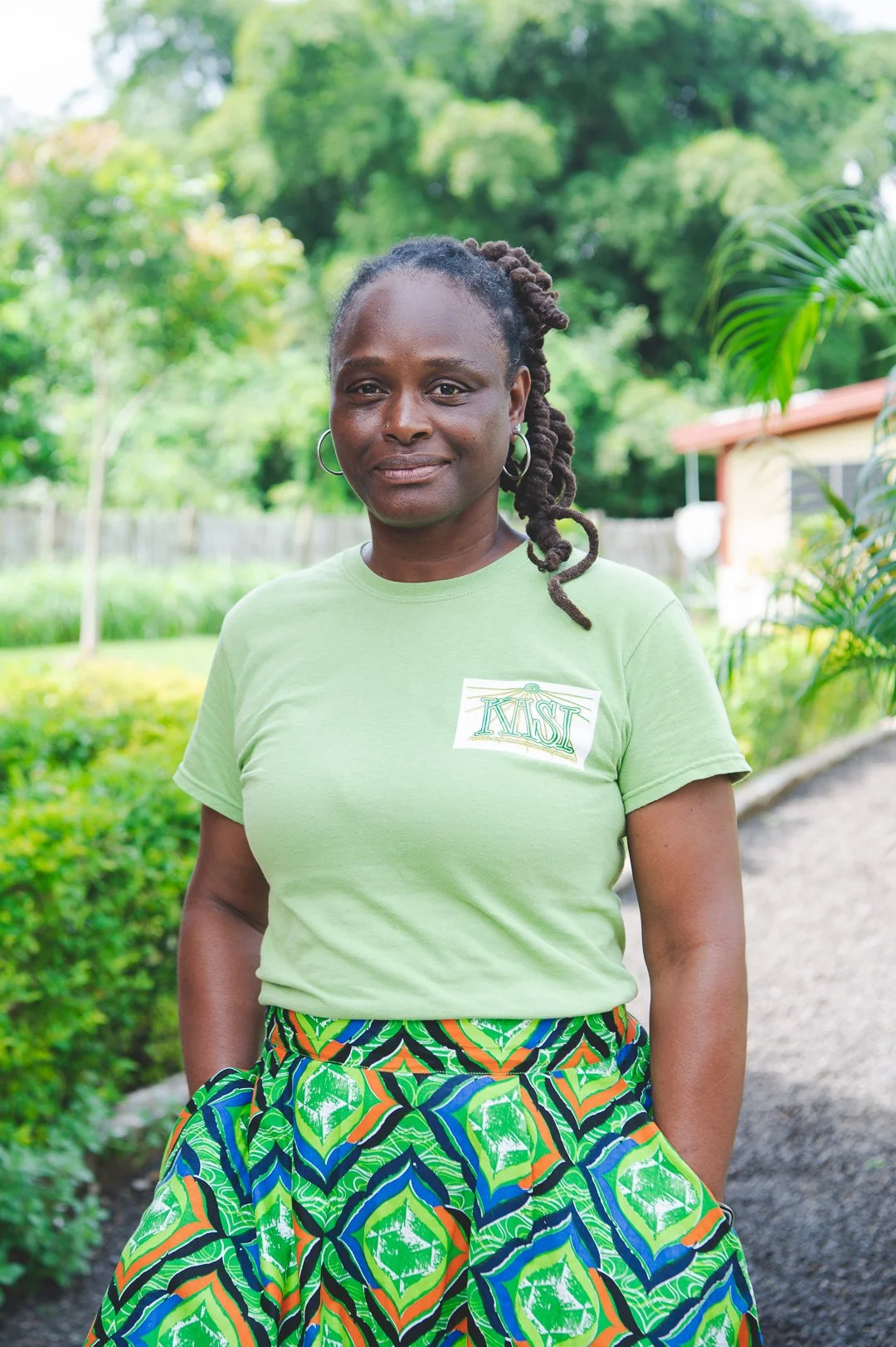
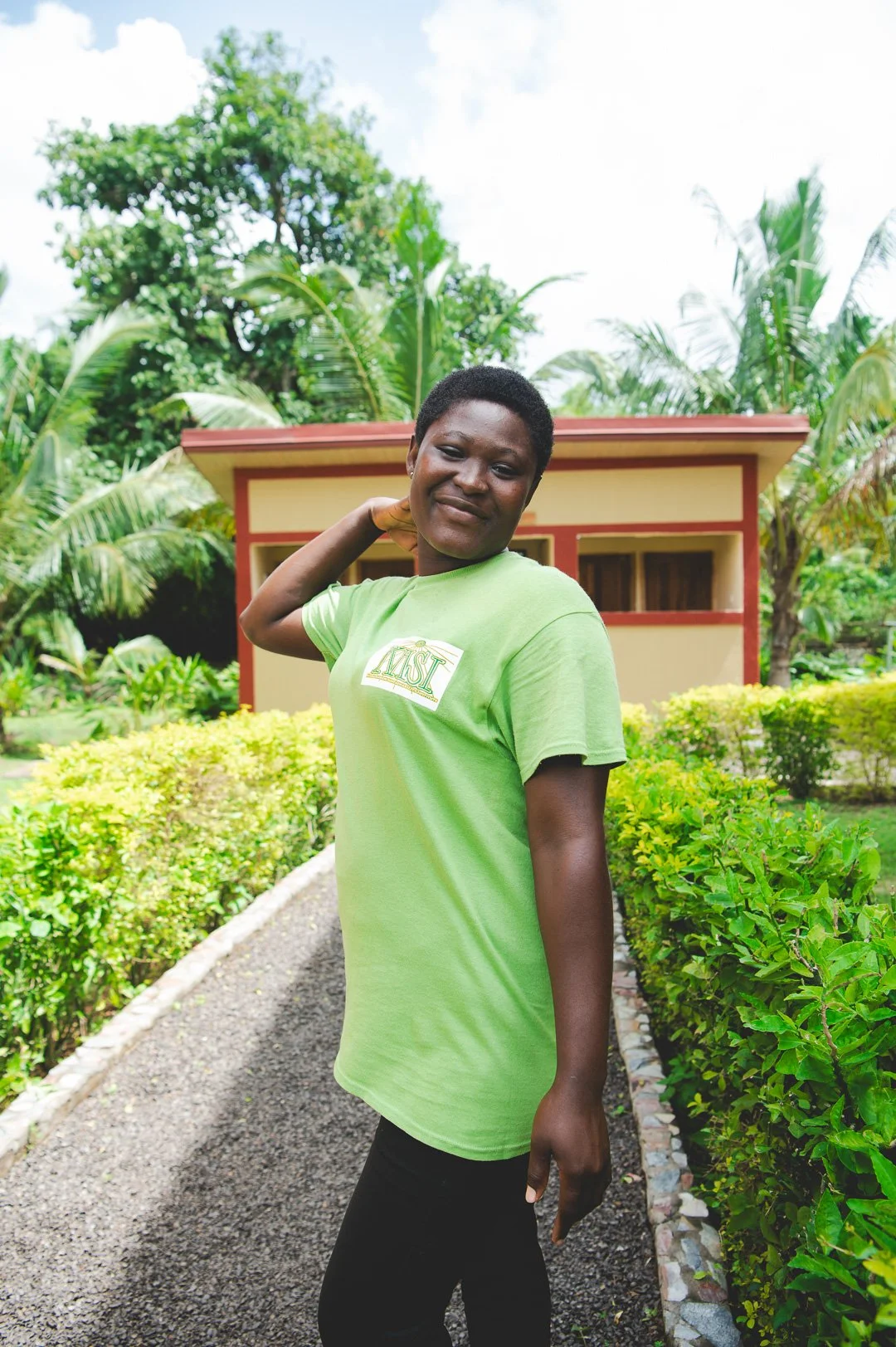
Akpe na mi!
All photos by the multi-talented tabia lisenbee-parker.